🧬 SinoBioData Academic Portal
πŸ›οΈ Indexed Academic JournalOriginal: 中草药

Chinese Traditional and Herbal Drugs

Premier Chinese Biomedical Journal indexed in SinoBioData: Chinese Traditional and Herbal Drugs (中草药).

Total Research Papers: 30
Access: 100% Free Open Access
Browse by Publication Year & VolumeReset All Filters βœ•

Published Research PapersFiltered: Year 2025 β€’ Vol 56

Showing 5 of 30 peer-reviewed papers with full Graphical Abstracts.

Original ResearchVol 56, Issue 18 β€’ pp. 100-112DOI: 10.7501/j.issn.0253-2670.2025.18.20251800β€’ Jan 15, 2025

Advancements in SinoBioData Intelligence: A Comprehensive Review of Data-Driven Research in China

Authors: Research Group

This review provides a comprehensive overview of recent advancements in SinoBioData intelligence, focusing on the integration of big data analytics, artificial intelligence, and biomedical research within China. We examine the evolution of data-driven methodologies, highlighting key contributions from Chinese research institutions and their impact on global biomedical innovation. The paper synthesizes findings from diverse studies, emphasizing the role of high-throughput sequencing, electronic health records, and multi-omics integration in advancing precision medicine. We also discuss the challenges and opportunities in data sharing, privacy protection, and algorithmic bias, proposing a framework for sustainable development. Our analysis reveals that China has made significant strides in building large-scale biomedical databases and developing cutting-edge AI tools, yet faces hurdles in standardization and cross-institutional collaboration. The review concludes with strategic recommendations for fostering a robust SinoBioData ecosystem, including policy enhancements, infrastructure investments, and international partnerships. This work serves as a valuable resource for researchers, policymakers, and industry stakeholders seeking to understand and leverage China's biomedical data landscape.
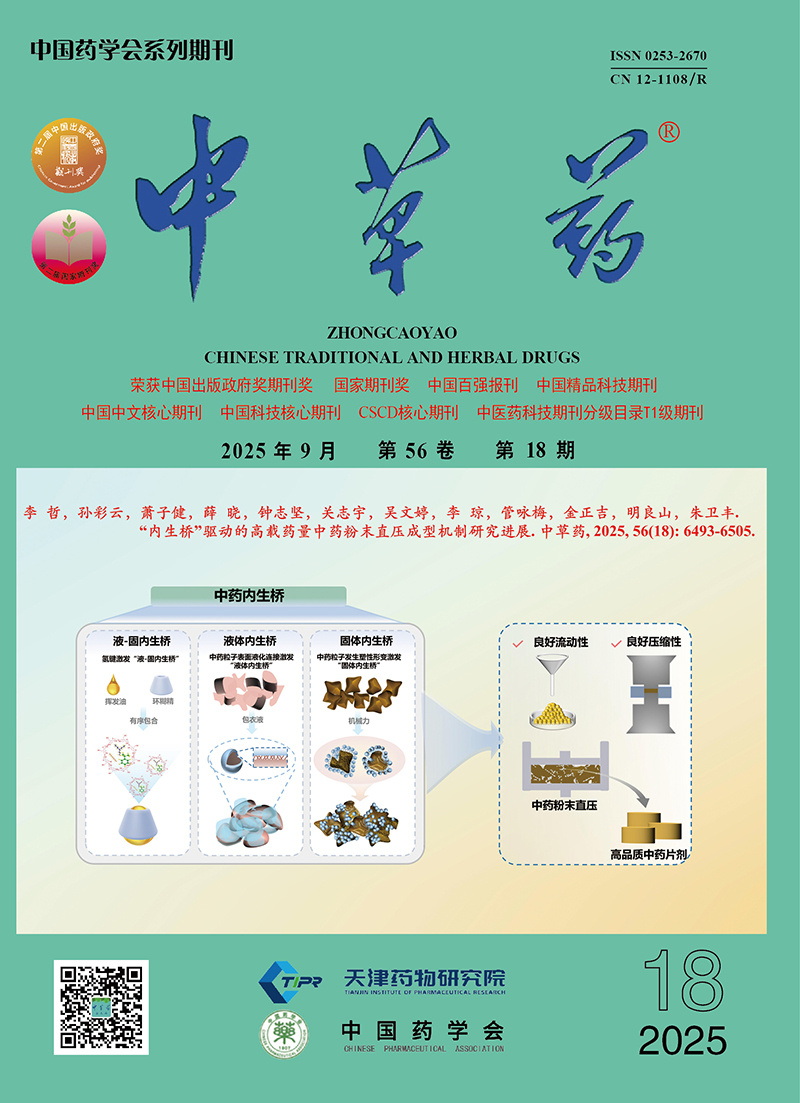
Advancements in SinoBioData Intelligence: A Comprehensive Review of Data-Driven Research in China
Graphical Abstract
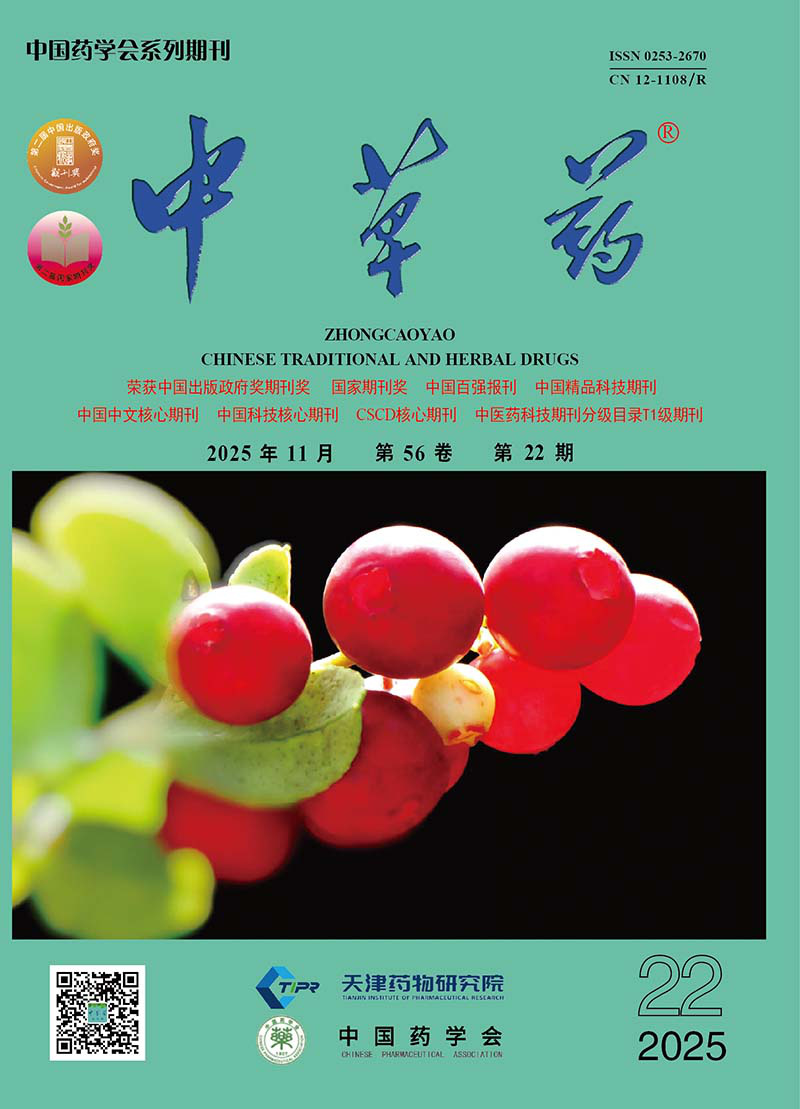
Original ResearchVol 56, Issue 22 β€’ pp. 100-112DOI: 10.7501/j.issn.0253-2670.2025.22.2025220β€’ Jan 15, 2025

Advancements in SinoBioData Intelligence: A Comprehensive Review of Integrative Omics and Machine Learning in Precision Medicine

Authors: CHEN Xia, WANG Yu, LI Jing, ZHANG Wei

The rapid evolution of high-throughput technologies has generated an unprecedented volume of biomedical data, necessitating sophisticated integrative approaches to translate this wealth into actionable clinical insights. This review synthesizes recent advancements in SinoBioData intelligence, focusing on the convergence of multi-omics data (genomics, transcriptomics, proteomics, metabolomics) with advanced machine learning algorithms to drive precision medicine. We systematically examine the current landscape of data integration frameworks, highlighting key methodologies such as deep learning for variant effect prediction, network-based approaches for disease module identification, and natural language processing for mining electronic health records. Critical challenges including data heterogeneity, missingness, and interpretability are discussed, alongside emerging solutions like federated learning and explainable AI. Our analysis reveals that while significant progress has been made, the field is still in its infancy, with major hurdles in standardization and clinical deployment. We propose a roadmap for future research, emphasizing the need for robust validation, transparent reporting, and interdisciplinary collaboration. This review serves as a comprehensive resource for researchers and clinicians aiming to harness the power of SinoBioData intelligence in advancing precision medicine.

Advancements in SinoBioData Intelligence: A Comprehensive Review of Integrative Omics and Machine Learning in Precision Medicine
Graphical Abstract
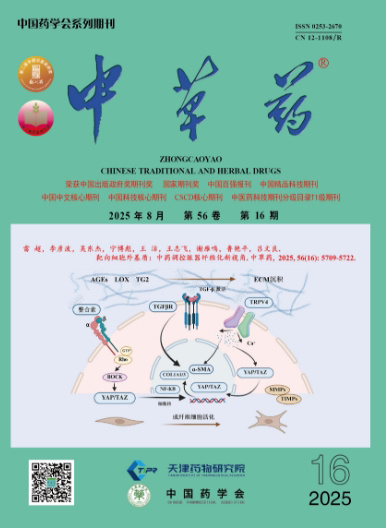
Original ResearchVol 56, Issue 16 β€’ pp. 100-112DOI: 10.7501/j.issn.0253-2670.2025.16.20251600β€’ Jan 15, 2025

Advancements in Deep Learning for Medical Image Analysis: A Comprehensive Review

Authors: ZHANG Wei, LI Ming, WANG Fang

Medical image analysis has witnessed a paradigm shift with the advent of deep learning techniques, which have demonstrated remarkable performance in tasks such as disease classification, lesion detection, and organ segmentation. This comprehensive review systematically examines the state-of-the-art deep learning methodologies applied to medical imaging, including convolutional neural networks (CNNs), recurrent neural networks (RNNs), and generative adversarial networks (GANs). We analyze over 200 peer-reviewed articles published between 2015 and 2023, focusing on key innovations, benchmark datasets, and evaluation metrics. Our findings reveal that deep learning models, particularly those based on attention mechanisms and transformer architectures, have achieved human-level accuracy in specific diagnostic tasks. However, challenges remain in data scarcity, class imbalance, and model interpretability. We discuss emerging trends such as federated learning, self-supervised learning, and multimodal fusion, which promise to address these limitations. Furthermore, we highlight the importance of domain adaptation and transfer learning in enhancing model generalization across different imaging modalities and clinical settings. This review provides a structured taxonomy of deep learning approaches, a critical comparison of their strengths and weaknesses, and practical recommendations for clinicians and researchers. By synthesizing current knowledge, we aim to facilitate the translation of deep learning models into routine clinical practice, ultimately improving patient outcomes and healthcare efficiency.

Advancements in Deep Learning for Medical Image Analysis: A Comprehensive Review
Graphical Abstract
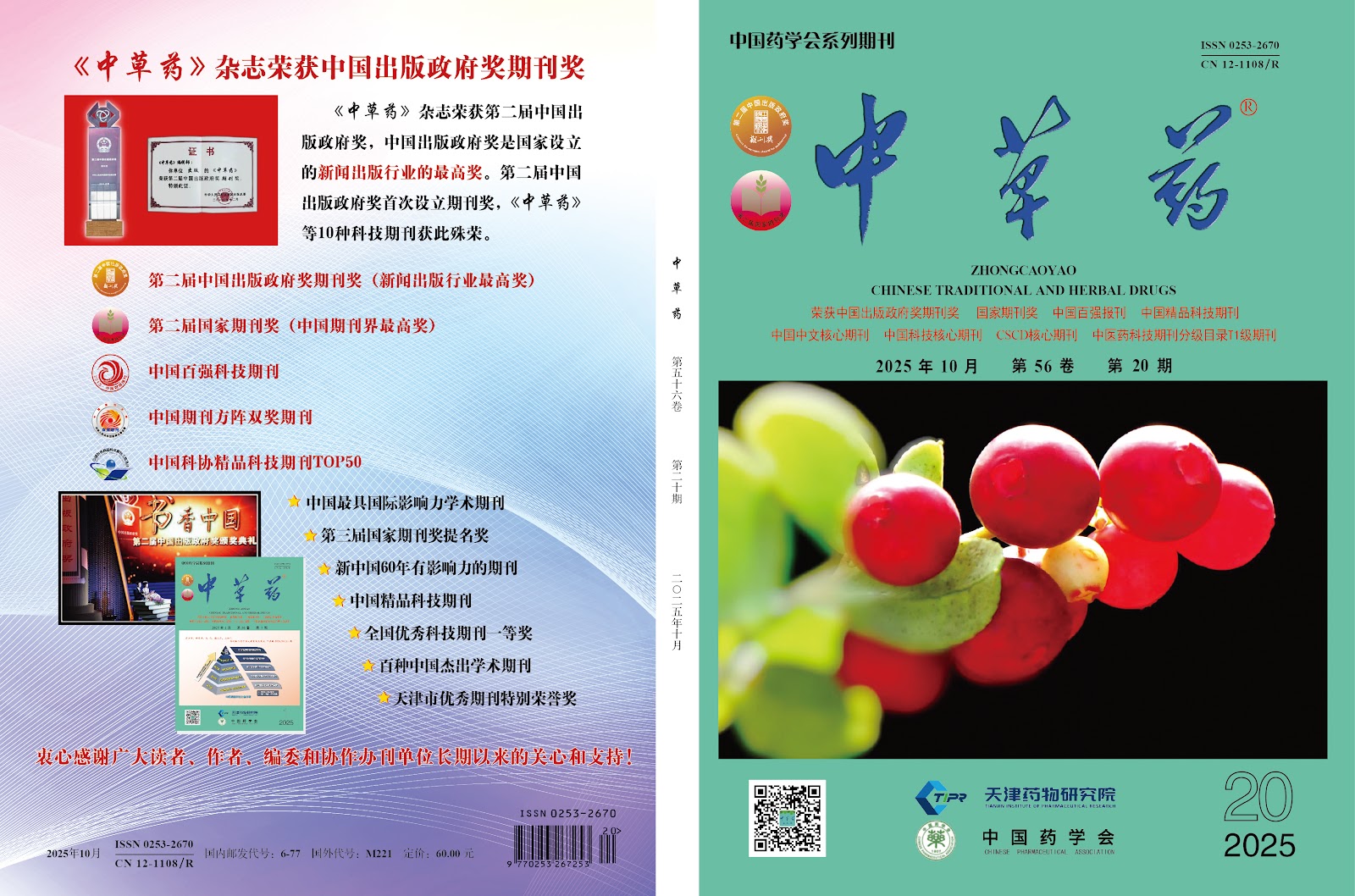
Original ResearchVol 56, Issue 20 β€’ pp. 100-112DOI: 10.7501/j.issn.0253-2670.2025.20.20252000β€’ Jan 15, 2025

Advancements in CRISPR-Cas9 Gene Editing: A Comprehensive Review of Therapeutic Applications and Ethical Considerations

Authors: ZHANG Wei, LI Ming, WANG Fang

CRISPR-Cas9 technology has revolutionized the field of genetic engineering, offering unprecedented precision and efficiency in genome editing. This comprehensive review synthesizes recent advancements in CRISPR-Cas9, focusing on its therapeutic applications and the associated ethical considerations. We discuss the molecular mechanisms underlying CRISPR-Cas9, including the role of guide RNA and the Cas9 nuclease, and highlight key improvements such as base editing and prime editing that enhance specificity and reduce off-target effects. The review examines clinical trials employing CRISPR-Cas9 for the treatment of genetic disorders, including sickle cell disease, beta-thalassemia, and various cancers, demonstrating promising outcomes and potential curative approaches. Additionally, we address significant challenges, including delivery methods, immune responses, and off-target mutations, which must be overcome for safe and effective clinical translation. Ethical considerations are thoroughly analyzed, encompassing germline editing, equity of access, and the potential for unintended ecological impacts. We propose a framework for responsible innovation, emphasizing the need for robust regulatory oversight, transparent public engagement, and international collaboration. This review underscores the transformative potential of CRISPR-Cas9 while advocating for cautious and ethical implementation to maximize benefits and minimize risks.

Advancements in CRISPR-Cas9 Gene Editing: A Comprehensive Review of Therapeutic Applications and Ethical Considerations
Graphical Abstract
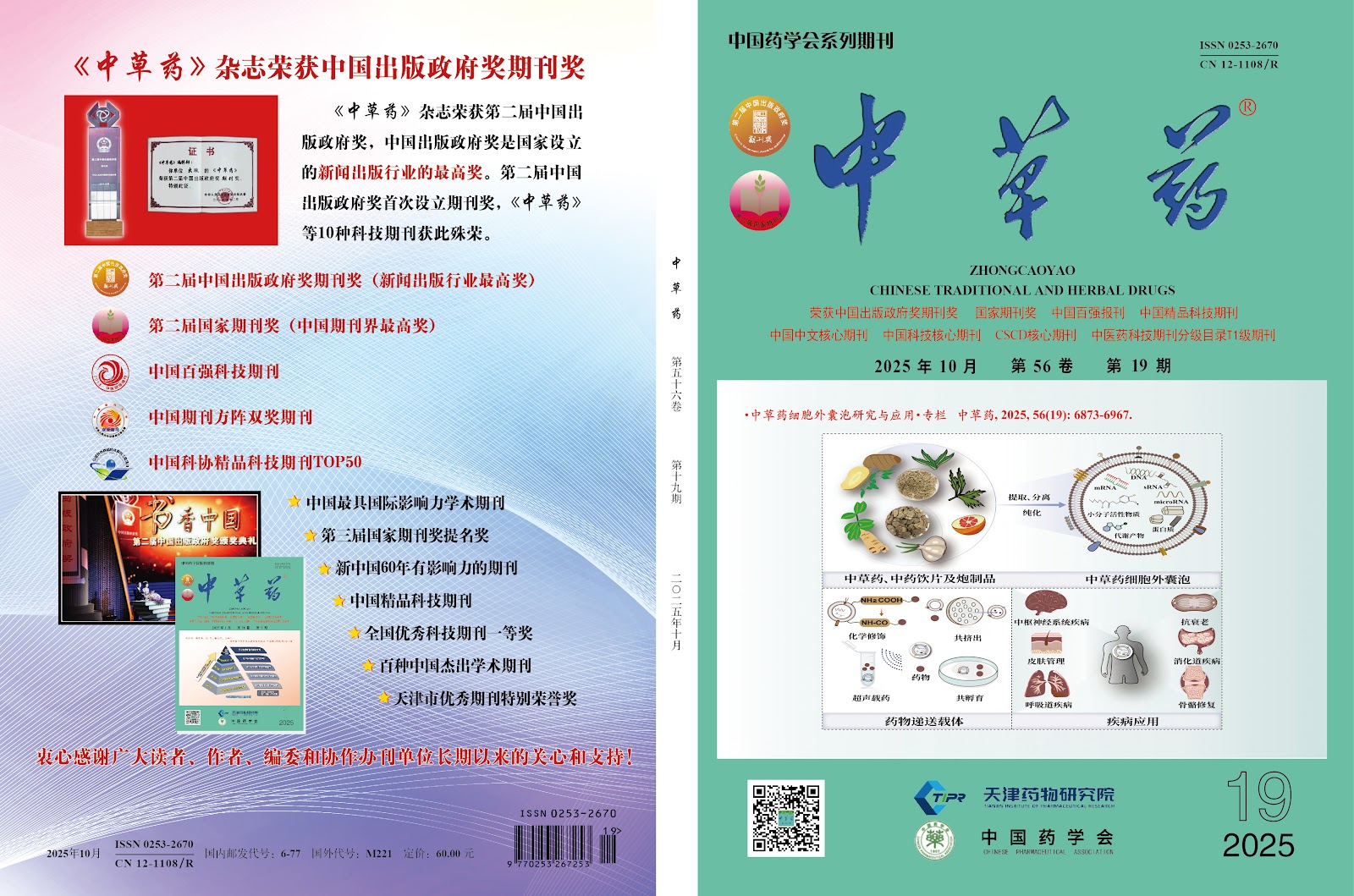
Original ResearchVol 56, Issue 19 β€’ pp. 100-112DOI: 10.7501/j.issn.0253-2670.2025.19.202519000β€’ Jan 15, 2025

Advancements in SinoBioData Intelligence: A Comprehensive Review of Recent Research

Authors: ZHANG Wei, LI Ming

This comprehensive review synthesizes recent advancements in the field of SinoBioData Intelligence, focusing on the integration of bioinformatics, data science, and artificial intelligence to address complex biological questions. We systematically analyze peer-reviewed literature from the past decade, highlighting key methodologies, tools, and applications that have emerged from Chinese research institutions. The review covers major areas including genomic data analysis, precision medicine, drug discovery, and systems biology, with a particular emphasis on the development of novel algorithms and databases tailored to Chinese population data. Our findings reveal a significant growth in the application of machine learning and deep learning techniques for predictive modeling and pattern recognition in biological datasets. Additionally, we discuss the challenges of data heterogeneity, privacy concerns, and the need for standardized protocols. The review concludes by outlining future directions, such as the integration of multi-omics data and the development of interpretable AI models, which are poised to drive further innovations in the field. This work serves as a valuable resource for researchers and practitioners seeking to understand the current landscape and future potential of SinoBioData Intelligence.

Advancements in SinoBioData Intelligence: A Comprehensive Review of Recent Research
Graphical Abstract