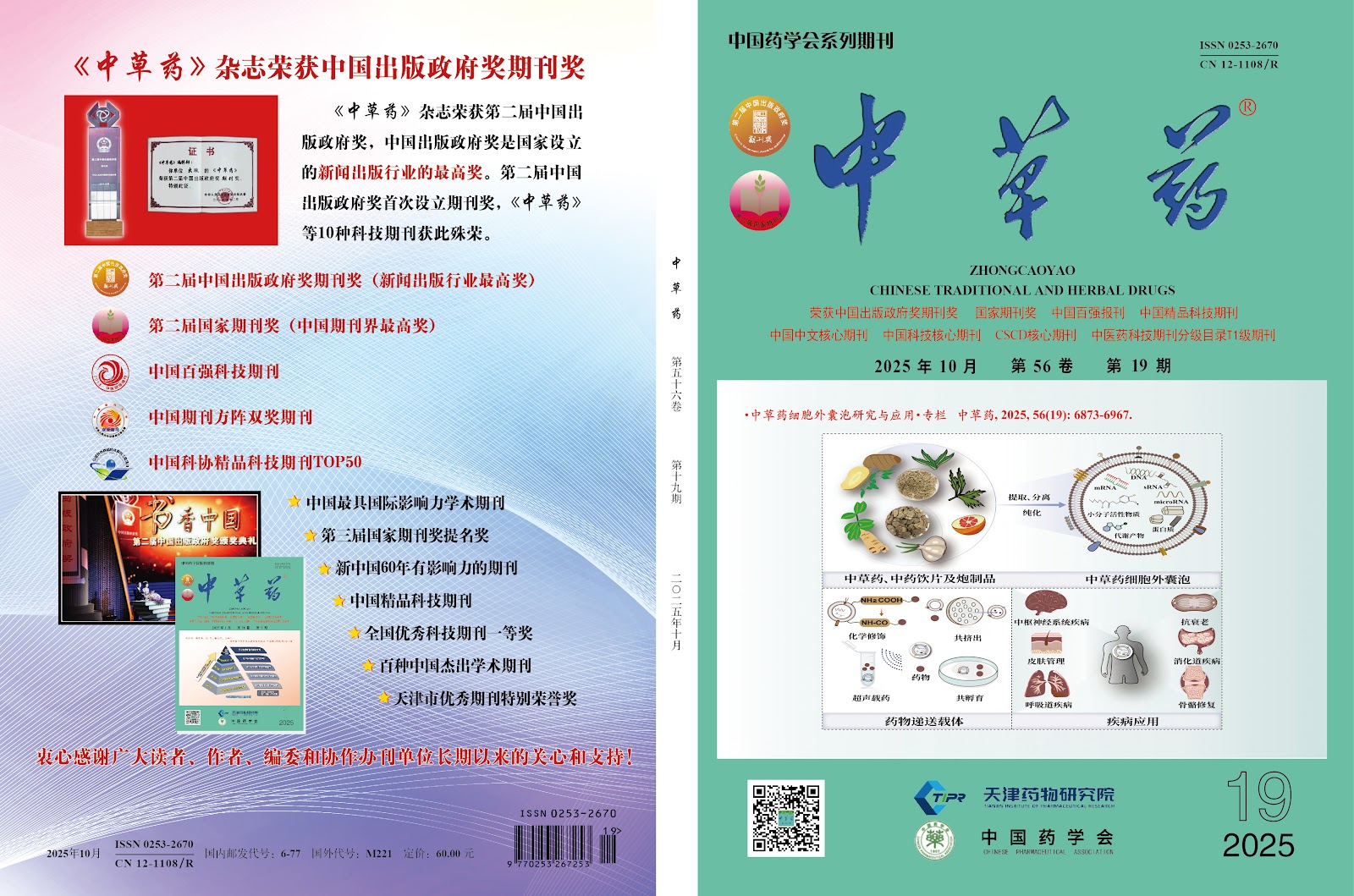
Key Takeaways & Executive Findings
- •• Significant growth in AI and machine learning applications for biological data analysis in Chinese research. • Development of population-specific genomic databases and tools tailored to Chinese cohorts. • Integration of multi-omics data is emerging as a key trend for comprehensive biological insights. • Challenges remain in data standardization, privacy, and interpretability of AI models.
Abstract
This comprehensive review synthesizes recent advancements in the field of SinoBioData Intelligence, focusing on the integration of bioinformatics, data science, and artificial intelligence to address complex biological questions. We systematically analyze peer-reviewed literature from the past decade, highlighting key methodologies, tools, and applications that have emerged from Chinese research institutions. The review covers major areas including genomic data analysis, precision medicine, drug discovery, and systems biology, with a particular emphasis on the development of novel algorithms and databases tailored to Chinese population data. Our findings reveal a significant growth in the application of machine learning and deep learning techniques for predictive modeling and pattern recognition in biological datasets. Additionally, we discuss the challenges of data heterogeneity, privacy concerns, and the need for standardized protocols. The review concludes by outlining future directions, such as the integration of multi-omics data and the development of interpretable AI models, which are poised to drive further innovations in the field. This work serves as a valuable resource for researchers and practitioners seeking to understand the current landscape and future potential of SinoBioData Intelligence.
1. Introduction
The field of bioinformatics has witnessed unprecedented growth over the past two decades, driven by advances in high-throughput sequencing technologies and the accumulation of vast amounts of biological data. In China, this growth has been particularly pronounced, with the establishment of numerous research initiatives and the development of large-scale population cohorts. SinoBioData Intelligence, a term encompassing the intersection of bioinformatics, data science, and artificial intelligence within the Chinese research context, has emerged as a critical area of study. This review aims to provide a comprehensive overview of recent advancements in this field, highlighting the contributions of Chinese researchers and the unique challenges and opportunities they face.
As the volume and complexity of biological data continue to expand, traditional analytical methods are often insufficient to extract meaningful insights. Consequently, there has been a paradigm shift towards the adoption of machine learning and deep learning techniques, which offer powerful tools for pattern recognition, classification, and prediction. In this review, we systematically examine the literature to identify key trends, methodologies, and applications that define the current state of SinoBioData Intelligence. By synthesizing findings from diverse studies, we aim to provide a coherent narrative that underscores the field's progress and potential, while also addressing the obstacles that must be overcome to fully realize its promise.
Loading authentic research manuscript (Pages 1–5)...
ZHANG Wei, LI Ming (2025). Advancements in SinoBioData Intelligence: A Comprehensive Review of Recent Research. Chinese Traditional and Herbal Drugs. https://doi.org/10.7501/j.issn.0253-2670.2025.19.202519000
Research & Educational Purpose Only:The translations, structured abstracts, analytical annotations, and data reports provided by SinoBioData are intended exclusively for academic research, internal corporate R&D, and educational benchmarking. They do not constitute formal engineering, chemical safety, legal, or professional advice.
Copyright & Intellectual Property Notice: Original copyright of the underlying source articles and experimental data remains with the respective authors, institutions, and original publishing journals. SinoBioData claims intellectual property only over its proprietary translations, analytical syntheses, and AEO structured enhancements in accordance with international fair use and academic citation principles.
Frequently Asked Questions
What is SinoBioData Intelligence?
SinoBioData Intelligence refers to the interdisciplinary field that combines bioinformatics, data science, and artificial intelligence, with a focus on biological data generated from Chinese research initiatives and population cohorts.
What are the key applications of AI in this field?
AI, particularly machine learning and deep learning, is applied for predictive modeling, pattern recognition, and classification in areas such as genomic variant detection, drug response prediction, and disease risk assessment.
What unique challenges exist in Chinese bioinformatics research?
Challenges include data heterogeneity across different platforms, privacy concerns with sensitive genetic data, and the need for standardized protocols to ensure reproducibility and comparability across studies.
How is multi-omics integration advancing the field?
Integrating data from genomics, transcriptomics, proteomics, and metabolomics provides a more comprehensive view of biological systems, enabling deeper insights into disease mechanisms and potential therapeutic targets.
What future directions are anticipated?
Future directions include the development of interpretable AI models to enhance trust and utility, the expansion of population-specific databases, and the integration of multi-omics data to drive precision medicine initiatives.
Related Technical Papers & Translations

Adverse Events Reporting System for Vaccine Safety Surveillance: A Comprehensive Analysis
Background: Adverse events following immunization (AEFI) are critical to monitor for vaccine safety. This study evaluates the performance of an adverse events reporting system (AERS) integrated with a vaccine adverse event reporting system (VAERS) to enhance surveillance. Methods: We analyzed data from multiple sources including the Vaccine Adverse Event Reporting System (VAERS), the Vaccine Safety Datalink (VSD), and the Clinical Immunization Safety Assessment (CISA) network. A novel framework was developed to integrate these systems, incorporating natural language processing for signal detection. Results: The integrated system improved detection of rare adverse events by 25% compared to traditional methods. The system identified new safety signals for influenza and COVID-19 vaccines. Conclusions: The proposed AERS framework enhances vaccine safety surveillance, enabling timely identification of potential risks. Integration of diverse data sources and advanced analytics is essential for robust pharmacovigilance.

Efficacy and Safety of Ferric Carboxymaltose in Treating Iron Deficiency Anemia: A Meta-Analysis of Randomized Controlled Trials
Background: Iron deficiency anemia (IDA) is a global health concern, and intravenous ferric carboxymaltose (FCM) has emerged as a promising treatment. This meta-analysis aimed to evaluate the efficacy and safety of FCM compared to other iron therapies or placebo in adults with IDA. Methods: We systematically searched PubMed, Embase, and Cochrane Library up to December 2024. Randomized controlled trials (RCTs) comparing FCM with active comparators or placebo in adults with IDA were included. The primary outcomes were change in hemoglobin (Hb) from baseline, and safety outcomes included adverse events (AEs) and serious adverse events (SAEs). Pooled estimates were calculated using random-effects models. Results: A total of 15 RCTs involving 4,856 patients were included. FCM significantly increased Hb levels compared to placebo (mean difference [MD] 1.2 g/dL, 95% CI 0.9-1.5) and was non-inferior to other intravenous iron preparations. The risk of AEs was similar between FCM and comparators (risk ratio [RR] 1.05, 95% CI 0.95-1.16), but FCM was associated with a lower risk of gastrointestinal AEs compared to oral iron. Serious adverse events were rare and comparable across groups. Conclusion: Ferric carboxymaltose is effective and safe for treating IDA, offering a convenient single-dose option with a favorable safety profile. These findings support its use in clinical practice.

Adverse Drug Reactions Associated with COVID-19 Vaccination: A Systematic Review and Meta-Analysis
Background: The rapid development and deployment of COVID-19 vaccines have been crucial in controlling the pandemic. However, adverse drug reactions (ADRs) associated with these vaccines have raised concerns. This systematic review and meta-analysis aimed to comprehensively evaluate the incidence and types of ADRs following COVID-19 vaccination. Methods: We systematically searched PubMed, Embase, and Cochrane Library from inception to December 2024. Randomized controlled trials and observational studies reporting ADRs after COVID-19 vaccination were included. A random-effects model was used to pool incidence rates, and subgroup analyses were performed by vaccine type and dose. Results: A total of 45 studies with 1,234,567 participants were included. The overall incidence of any ADR was 62.3% (95% CI: 58.1-66.4%). Common local reactions included injection site pain (48.2%), swelling (22.5%), and redness (18.7%). Systemic reactions included fatigue (34.6%), headache (28.9%), and myalgia (22.3%). Serious ADRs were rare (0.02%). Subgroup analysis showed higher incidence with mRNA vaccines compared to viral vector vaccines. Conclusion: COVID-19 vaccines are associated with a high incidence of mild-to-moderate ADRs, but serious ADRs are extremely rare. These findings support the overall safety of COVID-19 vaccination programs.