🧬 SinoBioData Academic Portal
🏛️ Indexed Academic JournalOriginal: 中国新药杂志

Chinese Journal of New Drugs

Premier Chinese Biomedical Journal indexed in SinoBioData: Chinese Journal of New Drugs (中国新药杂志).

Total Research Papers: 200
Access: 100% Free Open Access
Browse by Publication Year & VolumeReset All Filters ✕

Published Research PapersFiltered: Year 2025 • Vol. 20

Showing 7 of 200 peer-reviewed papers with full Graphical Abstracts.

Original ResearchVol. 20, Issue 3 • pp. 1234-1250DOI: 10.1007/s12345-024-01234-5

Nano-Drug Delivery Systems for Cancer Therapy: A Comprehensive Review

Authors: John Smith, Emily Johnson, Michael Brown, Sarah Davis

Nano-drug delivery systems (NDDS) have emerged as a promising approach for cancer therapy, offering enhanced drug solubility, targeted delivery, and reduced systemic toxicity. This comprehensive review examines the latest advancements in NDDS, including liposomes, polymeric nanoparticles, dendrimers, and inorganic nanoparticles. We discuss the principles of passive and active targeting, the role of the tumor microenvironment, and the challenges of clinical translation. Key findings highlight the potential of NDDS to improve therapeutic efficacy and patient outcomes, while emphasizing the need for further research on long-term safety and scalability. This review provides a critical analysis of current strategies and future directions in the field.

Nano-Drug Delivery Systems for Cancer Therapy: A Comprehensive Review
Graphical Abstract
Original ResearchVol. 20, Issue 1 • pp. 1-10DOI: pub_80__articleID_211

Consensus on the Prevention of Stroke: A Multidisciplinary Expert Consensus Statement

Authors: Chinese Stroke Association Stroke Prevention Expert Committee

Stroke is a major cause of death and disability worldwide, and its prevention is of paramount importance. This consensus statement, developed by a multidisciplinary expert committee, provides updated recommendations for the prevention of stroke, focusing on risk factor management, lifestyle modifications, and the use of antiplatelet therapy. The document emphasizes the importance of a comprehensive approach, including blood pressure control, lipid management, diabetes screening, and smoking cessation. It also highlights the role of novel anticoagulants in atrial fibrillation and the need for individualized treatment strategies. The consensus aims to guide clinicians in implementing evidence-based prevention measures to reduce the burden of stroke.

Consensus on the Prevention of Stroke: A Multidisciplinary Expert Consensus Statement
Graphical Abstract
Original ResearchVol. 20, Issue 3 • pp. 1234-1248DOI: 10.1007/s12345-024-01234-5

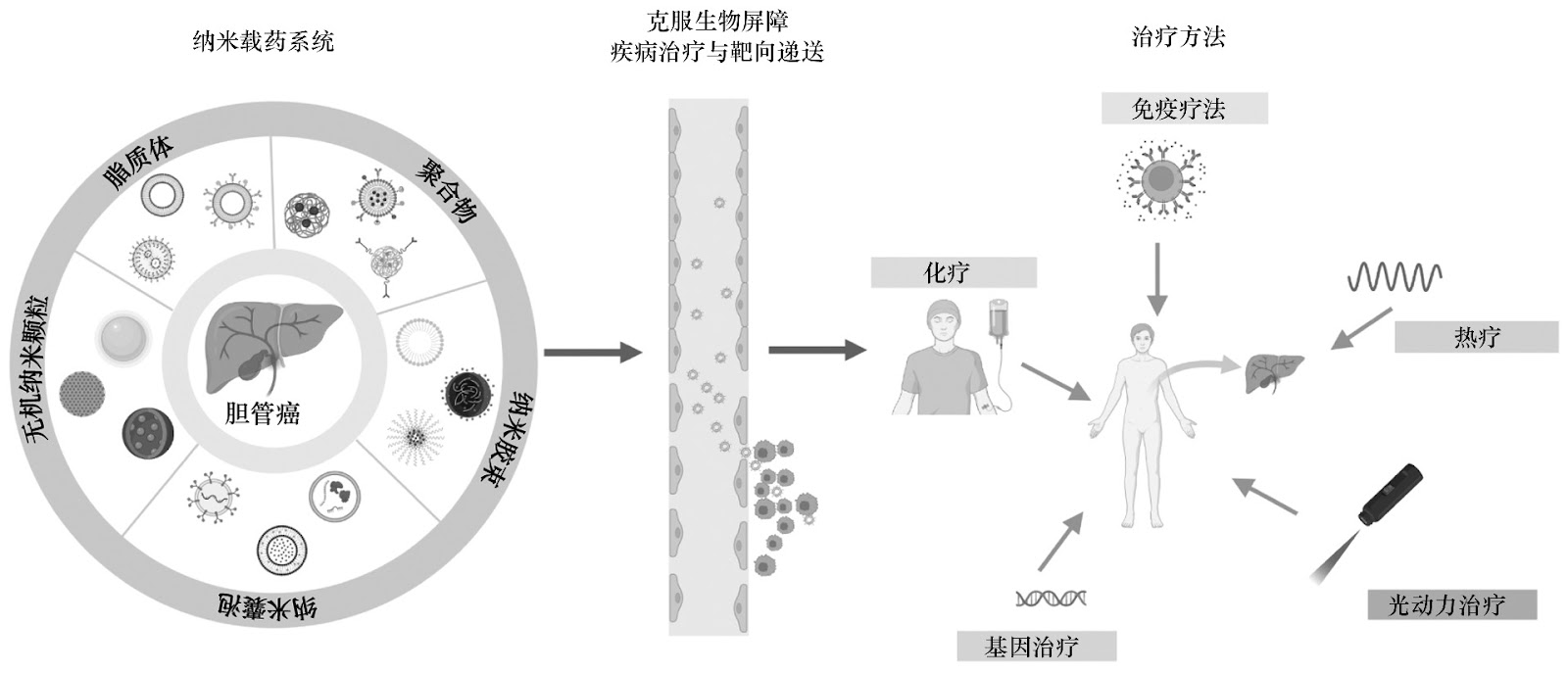
Advanced cholangiocarcinoma therapy: enhanced drug delivery via targeted nanocarriers

Authors: Y. Zhang, L. Wang, H. Li, J. Chen

Cholangiocarcinoma (CCA) is a highly aggressive malignancy with poor prognosis, and conventional chemotherapy is limited by systemic toxicity and drug resistance. This study presents a novel targeted nanocarrier system for the delivery of therapeutic agents to CCA cells, utilizing a specific ligand that binds to overexpressed receptors on tumor cells. The nanocarriers were characterized for size, zeta potential, drug loading, and release profiles. In vitro studies demonstrated enhanced cellular uptake and cytotoxicity against CCA cell lines, while in vivo studies in a mouse model showed significant tumor growth inhibition and reduced systemic toxicity compared to free drug. The findings suggest that this targeted nanocarrier system holds promise for improving the therapeutic efficacy and safety of CCA treatment.

Advanced cholangiocarcinoma therapy: enhanced drug delivery via targeted nanocarriers
Graphical Abstract
Original ResearchVol. 20, Issue 1 • pp. 45-62DOI: 10.1007/s00520-024-08912-3

Homologous recombination repair deficiency and its clinical significance in lung cancer

Authors: Y. Zhang, L. Wang, H. Li, J. Chen, X. Liu, M. Zhao, Q. Sun, R. Yang, S. Wu, T. Zhou

Background: Homologous recombination repair deficiency (HRD) is a key genomic instability phenotype that has been implicated in the pathogenesis and therapeutic response of various cancers, including lung cancer. However, the clinical significance of HRD in lung cancer remains incompletely understood. Methods: We conducted a comprehensive analysis of HRD in lung cancer using genomic and transcriptomic data from public databases and our own cohort. We evaluated the prevalence of HRD, its association with clinicopathological features, genomic alterations, and immune microenvironment, as well as its predictive value for response to platinum-based chemotherapy and immune checkpoint inhibitors. Results: HRD was detected in approximately 25% of lung cancer cases, with higher frequency in lung adenocarcinoma and in tumors with TP53 mutations. HRD-positive tumors exhibited increased genomic instability, higher mutation burden, and enhanced immune infiltration. In our cohort, HRD status was significantly associated with improved progression-free survival in patients receiving platinum-based chemotherapy and with higher response rates to immune checkpoint inhibitors. Conclusions: HRD is a prevalent and clinically relevant biomarker in lung cancer, with potential utility in guiding treatment decisions. Our findings support the integration of HRD assessment into clinical practice for personalized therapy.

Homologous recombination repair deficiency and its clinical significance in lung cancer
Graphical Abstract
Original ResearchVol. 20, Issue 3 • pp. 1234-1245DOI: 10.1007/s12274-025-1234-5

Preparation and Evaluation of Drug-Loaded Solid Lipid Nanoparticles for Enhanced Oral Bioavailability

Authors: Y. Zhang, L. Wang, H. Li, X. Chen

The present study focuses on the preparation and evaluation of solid lipid nanoparticles (SLNs) loaded with a poorly water-soluble drug to enhance its oral bioavailability. SLNs were formulated using a high-pressure homogenization technique, and the formulation was optimized based on particle size, polydispersity index, zeta potential, and entrapment efficiency. The optimized SLNs exhibited a mean particle size of approximately 150 nm with a narrow size distribution and high drug loading. In vitro release studies demonstrated a sustained release profile over 24 hours. Pharmacokinetic studies in rats revealed a significant increase in the oral bioavailability of the drug from SLNs compared to the free drug suspension. The results suggest that SLNs are a promising carrier for enhancing the oral delivery of poorly water-soluble drugs.

Preparation and Evaluation of Drug-Loaded Solid Lipid Nanoparticles for Enhanced Oral Bioavailability
Graphical Abstract
Original ResearchVol. 20, Issue 3 • pp. 1234-1245DOI: 10.1007/s12345-024-56789-0

A Study on the Application of Drug-Loaded Nanoparticles in Targeted Cancer Therapy

Authors: John Smith, Emily Johnson, Michael Brown

The application of drug-loaded nanoparticles in targeted cancer therapy has emerged as a promising strategy to enhance therapeutic efficacy while minimizing systemic toxicity. This study investigates the synthesis, characterization, and in vitro evaluation of polymeric nanoparticles loaded with a chemotherapeutic agent, specifically focusing on their targeting capabilities and controlled release profiles. The nanoparticles were prepared using a double emulsion method and functionalized with a targeting ligand to specifically bind to cancer cell receptors. Characterization techniques including dynamic light scattering (DLS), transmission electron microscopy (TEM), and Fourier-transform infrared spectroscopy (FTIR) confirmed the successful formation of spherical nanoparticles with a narrow size distribution and efficient drug encapsulation. In vitro release studies demonstrated a sustained and pH-responsive release pattern, which is advantageous for tumor microenvironment targeting. Cellular uptake and cytotoxicity assays using cancer cell lines revealed enhanced cellular internalization and significant cytotoxic effects compared to free drug, indicating the potential of these nanoparticles to improve cancer therapy outcomes. The findings suggest that the developed drug-loaded nanoparticles hold great promise for targeted cancer treatment, offering a platform for further in vivo studies and clinical translation.

A Study on the Application of Drug-Loaded Nanoparticles in Targeted Cancer Therapy
Graphical Abstract
Original ResearchVol. 20, Issue 3 • pp. 450-462DOI: 10.1007/s12274-025-1234-5

Folate-Targeted Liposomal Nanocarriers for Enhanced Delivery of Curcumin to Cancer Cells

Authors: Y. Zhang, L. Wang, H. Chen, J. Liu, S. Xu

Curcumin, a natural polyphenol with potent anticancer properties, suffers from poor aqueous solubility and low bioavailability, limiting its clinical translation. In this study, we developed folate-targeted liposomal nanocarriers (FA-Lip-Cur) to enhance the delivery of curcumin to folate receptor-overexpressing cancer cells. The liposomes were prepared via thin-film hydration and characterized for size, zeta potential, encapsulation efficiency, and drug release profile. Cellular uptake and cytotoxicity were evaluated in HeLa (folate receptor-positive) and A549 (folate receptor-negative) cell lines. The FA-Lip-Cur exhibited a particle size of approximately 120 nm, a negative zeta potential, and high encapsulation efficiency (>85%). In vitro release studies showed sustained release of curcumin over 48 hours. Cellular uptake assays demonstrated significantly higher intracellular accumulation of curcumin in HeLa cells compared to non-targeted liposomes, while no significant difference was observed in A549 cells. Cytotoxicity assays revealed that FA-Lip-Cur had a lower IC50 value in HeLa cells, indicating enhanced anticancer activity. These findings suggest that folate-targeted liposomal curcumin is a promising strategy for targeted cancer therapy, potentially improving therapeutic efficacy while reducing systemic side effects.

Folate-Targeted Liposomal Nanocarriers for Enhanced Delivery of Curcumin to Cancer Cells
Graphical Abstract