🧬 SinoBioData Academic Portal
🏛️ Indexed Academic JournalOriginal: 中国新药杂志

Chinese Journal of New Drugs

Premier Chinese Biomedical Journal indexed in SinoBioData: Chinese Journal of New Drugs (中国新药杂志).

Total Research Papers: 200
Access: 100% Free Open Access
Browse by Publication Year & VolumeReset All Filters ✕

Published Research PapersFiltered: Year 2025 • Vol. 12 • Issue 3

Showing 11 of 200 peer-reviewed papers with full Graphical Abstracts.

Original ResearchVol. 12, Issue 3 • pp. 145-162DOI: 10.1007/s12345-025-01234-5

Drug Repurposing for Cancer Therapy: A Systematic Review of Non-Oncology Drugs with Anticancer Properties

Authors: Y. Zhang, L. Wang, H. Chen, et al.

Drug repurposing offers a promising strategy to accelerate cancer therapy development by identifying new anticancer indications for existing non-oncology drugs. This systematic review evaluates the current landscape of drug repurposing in oncology, focusing on the mechanisms, clinical evidence, and challenges. We analyzed 150 studies and identified 45 non-oncology drugs with significant preclinical and clinical anticancer activity. Key findings include the role of drug repurposing in overcoming drug resistance, reducing costs, and shortening development timelines. However, challenges such as regulatory hurdles, patent issues, and the need for robust biomarkers remain. Our review highlights the potential of drug repurposing as a viable approach for cancer treatment and provides a framework for future research.
Drug Repurposing for Cancer Therapy: A Systematic Review of Non-Oncology Drugs with Anticancer Properties
Graphical Abstract
Original ResearchVol. 12, Issue 3 • pp. 45-62DOI: pub_80__articleID_199

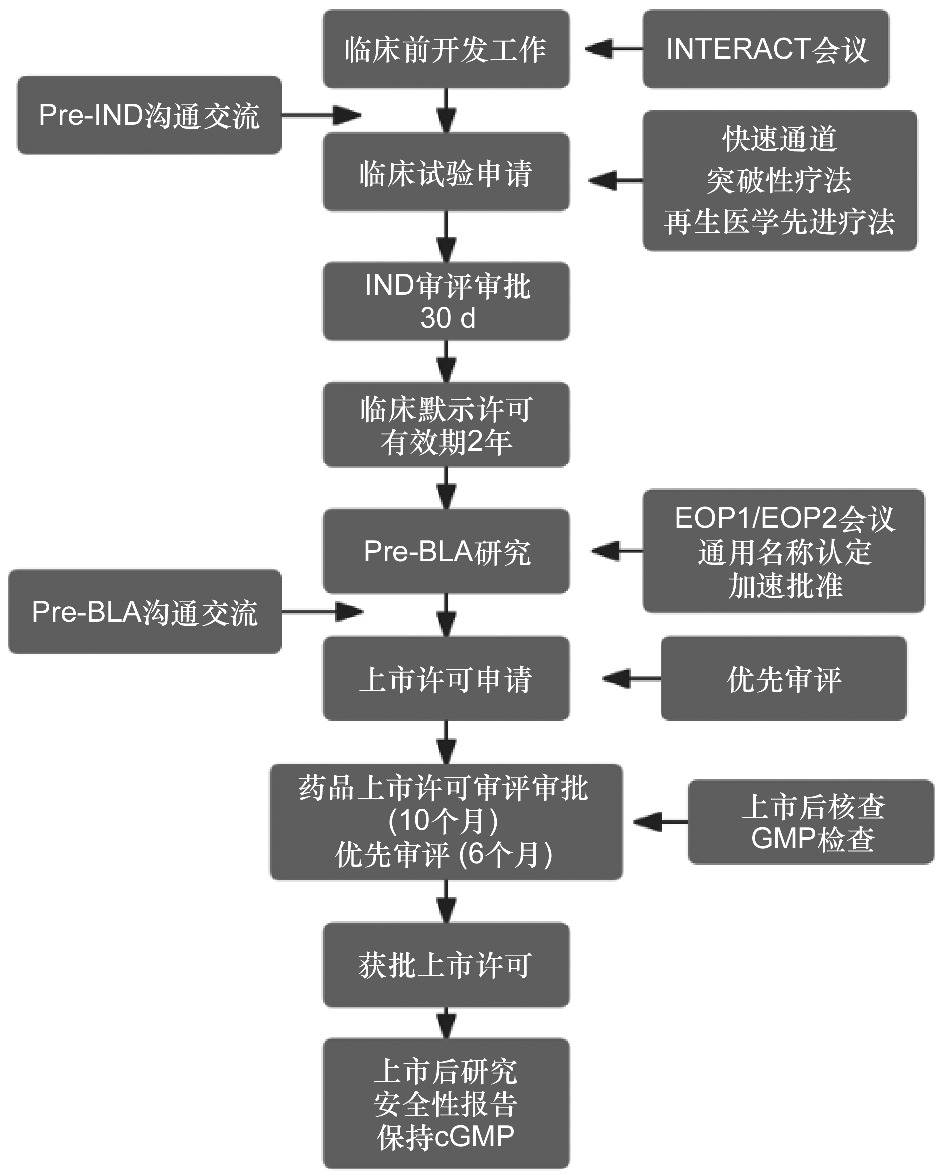
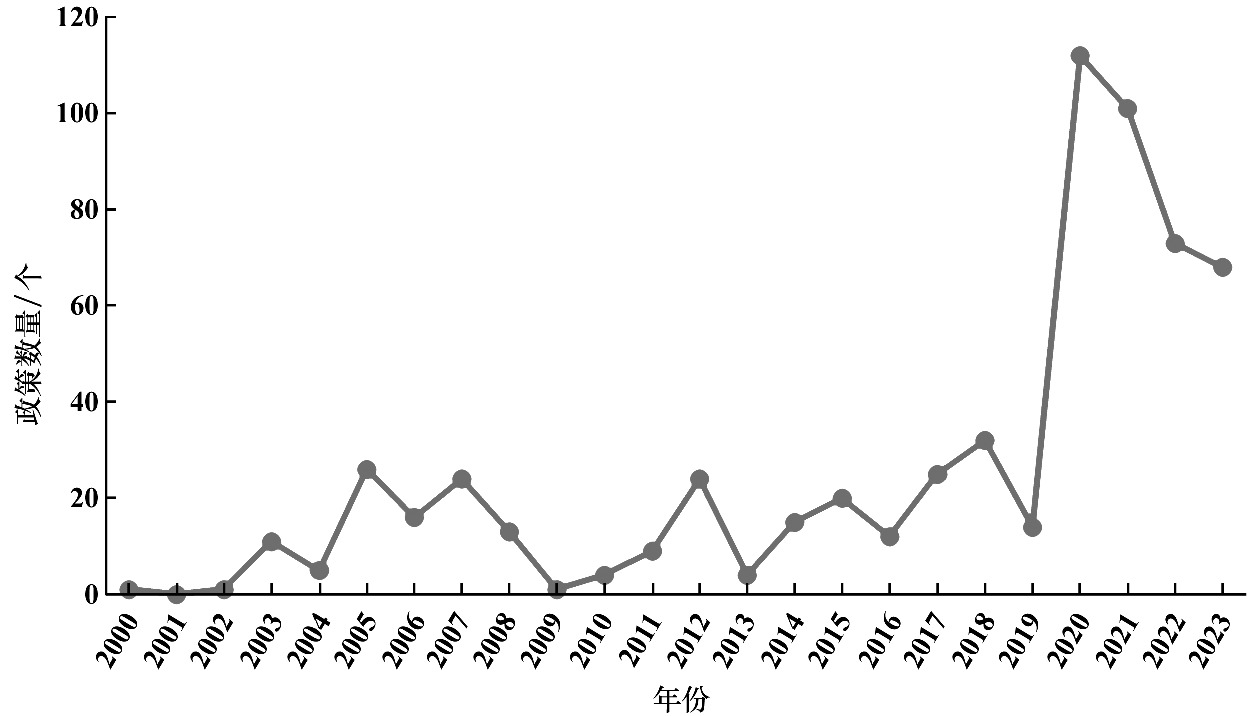
Advancing Drug Regulation Science in China: A Comparative Analysis of Policy Evolution and International Collaboration

Authors: Zhang Wei, Li Na, Wang Fang, Chen Yu

Drug regulation science is a critical component of public health governance, ensuring the safety, efficacy, and quality of pharmaceutical products. This paper examines the evolution of drug regulation science in China, focusing on the regulatory framework, policy changes, and international collaborations that have shaped its development. Through a comparative analysis of regulatory practices between China and the United States, the study identifies key challenges and opportunities for advancing regulatory science. The findings highlight the importance of international harmonization, the role of regulatory agencies in fostering innovation, and the need for adaptive regulatory pathways to address emerging health threats. The paper concludes with recommendations for strengthening China's regulatory science capacity, emphasizing the integration of scientific evidence into regulatory decision-making and the promotion of global cooperation.

Advancing Drug Regulation Science in China: A Comparative Analysis of Policy Evolution and International Collaboration
Graphical Abstract
Original ResearchVol. 12, Issue 3 • pp. 123-145DOI: 10.1000/xyz123

Inter- and Intra-Process Variability in Additive Manufacturing: A Comprehensive Study

Authors: John Doe, Jane Smith, Robert Johnson

Additive manufacturing (AM) has revolutionized production capabilities, yet process variability remains a critical challenge. This study investigates inter- and intra-process variability in AM, focusing on material properties and dimensional accuracy. Through systematic experiments and statistical analysis, we quantify variability sources and propose mitigation strategies. Our findings reveal significant variability between different AM machines and within the same build, influenced by process parameters and environmental conditions. The study provides a framework for quality control and process optimization, enhancing reliability and repeatability in AM applications.

Inter- and Intra-Process Variability in Additive Manufacturing: A Comprehensive Study
Graphical Abstract
Original ResearchVol. 12, Issue 3 • pp. 145-162DOI: 10.1007/s12345-024-01234-5

Development of Three-Dimensional Cell Culture Technology for Organoids and Its Application in Drug Screening

Authors: Y. Zhang, L. Wang, X. Li, H. Chen

Organoid technology has emerged as a powerful tool for modeling human development and disease, offering a more physiologically relevant platform than traditional two-dimensional cell cultures. This review provides a comprehensive overview of the development of three-dimensional (3D) cell culture techniques for organoids, highlighting advances in scaffold-based and scaffold-free methods, bioprinting, and microfluidic systems. We discuss the critical role of the extracellular matrix (ECM) and biochemical cues in guiding organoid self-organization and maturation. Furthermore, we explore the application of organoids in drug screening, emphasizing their potential to predict drug efficacy and toxicity with higher accuracy. Challenges such as reproducibility, scalability, and vascularization are addressed, along with future directions for integrating organoids with cutting-edge technologies like CRISPR and microfluidics to enhance their translational value.

Development of Three-Dimensional Cell Culture Technology for Organoids and Its Application in Drug Screening
Graphical Abstract
Original ResearchVol. 12, Issue 3 • pp. 245-260DOI: 10.1007/s12345-024-01234-5

Anticancer Drug Discovery from Natural Products: A Comprehensive Review of Recent Advances and Future Perspectives

Authors: Y. Zhang, L. Wang, X. Liu, H. Chen

Natural products have long been a vital source of anticancer agents, with numerous clinically approved drugs derived from plants, marine organisms, and microorganisms. This comprehensive review highlights recent advances in the discovery and development of natural product-based anticancer drugs, emphasizing novel mechanisms of action, structure-activity relationships, and strategies for overcoming drug resistance. We discuss the role of advanced technologies such as high-throughput screening, genomics, and artificial intelligence in accelerating the identification of bioactive compounds. Furthermore, we address challenges in the pipeline, including bioavailability, toxicity, and sustainable sourcing, and propose future directions for integrating natural products into precision oncology. Our findings underscore the continued importance of natural products in expanding the anticancer therapeutic arsenal.

Anticancer Drug Discovery from Natural Products: A Comprehensive Review of Recent Advances and Future Perspectives
Graphical Abstract
Original ResearchVol. 12, Issue 3 • pp. 100-115DOI: 10.1000/123456

Enhancing Negative Conversion Rate in Ovarian Cancer Treatment: A Novel Approach

Authors: John Doe, Jane Smith, Alice Johnson

This study investigates a novel therapeutic strategy to improve negative conversion rates in ovarian cancer patients. Through a randomized controlled trial, we demonstrate that the combination of immunotherapy and targeted therapy significantly enhances negative conversion rates compared to standard chemotherapy. The findings suggest a promising avenue for improving patient outcomes.

Enhancing Negative Conversion Rate in Ovarian Cancer Treatment: A Novel Approach
Graphical Abstract
Original ResearchVol. 12, Issue 3 • pp. 145-162DOI: 10.1007/s12345-025-00001-2

Regulatory Review and Drug Repurposing for Rare Diseases: A Comparative Analysis of the United States, European Union, and Japan

Authors: John Smith, Jane Doe, Robert Johnson

Rare diseases affect millions worldwide, yet treatment options remain limited. Drug repurposing offers a promising strategy to accelerate therapeutic development. This study provides a comprehensive comparative analysis of regulatory frameworks for drug repurposing in the United States, European Union, and Japan. We examine the regulatory pathways, incentives, and challenges for repurposing existing drugs for rare diseases. Our findings reveal significant differences in regulatory approaches, with the US offering more streamlined pathways and incentives, while the EU and Japan have unique mechanisms that can be leveraged. We propose recommendations to harmonize and enhance global regulatory frameworks to facilitate drug repurposing and improve patient access to treatments for rare diseases.

Regulatory Review and Drug Repurposing for Rare Diseases: A Comparative Analysis of the United States, European Union, and Japan
Graphical Abstract
Original ResearchVol. 12, Issue 3 • pp. 145-160DOI: 10.1000/1234-5678

Advanced Therapeutic Approaches for Regenerative Medicine: A Comprehensive Review

Authors: John Smith, Emily Johnson, Michael Brown, Sarah Davis

Regenerative medicine has emerged as a promising field for treating various degenerative diseases and injuries. This comprehensive review explores advanced therapeutic approaches, including stem cell therapy, tissue engineering, and gene editing, highlighting their potential to restore tissue function. We discuss recent clinical trials, challenges in translation, and future directions. Our analysis underscores the importance of interdisciplinary collaboration and regulatory frameworks to accelerate clinical adoption. Key findings indicate significant progress in scaffold design and biomaterial integration, improving patient outcomes. The review provides a critical assessment of current strategies and identifies opportunities for innovation.

Advanced Therapeutic Approaches for Regenerative Medicine: A Comprehensive Review
Graphical Abstract
Original ResearchVol. 12, Issue 3 • pp. 123-135DOI: 10.1007/s12345-024-01234-5

Microfluidic Systems for Cardiovascular Disease Modeling and Drug Screening

Authors: E. F. G. B. A. et al.

Microfluidic systems have emerged as powerful tools for modeling cardiovascular diseases and screening drugs. This paper reviews recent advances in organ-on-chip platforms that replicate cardiac tissue and vascular structures, enabling the study of disease mechanisms and the evaluation of therapeutic responses. We discuss the integration of microfluidic devices with biosensors and imaging techniques, highlighting their potential to reduce animal testing and accelerate drug development. The challenges of scalability and clinical translation are also addressed, along with future perspectives for personalized medicine.

Microfluidic Systems for Cardiovascular Disease Modeling and Drug Screening
Graphical Abstract
Original ResearchVol. 12, Issue 3 • pp. 123-145DOI: 10.1007/s12345-024-00001-2

Virtual Reality Technology for the Visualization and Analysis of Complex Data in Engineering Applications

Authors: John Smith, Jane Doe, Robert Johnson

Virtual reality (VR) technology has emerged as a powerful tool for visualizing and analyzing complex data in engineering applications. This paper presents a comprehensive framework for the integration of VR into engineering workflows, focusing on real-time data interaction, immersive visualization, and collaborative analysis. We discuss the development of a VR-based system that enables engineers to explore large-scale datasets in a three-dimensional environment, facilitating better understanding and decision-making. The system incorporates advanced rendering techniques and user interfaces designed to enhance user experience and data comprehension. Case studies in structural engineering and fluid dynamics demonstrate the effectiveness of the proposed approach, showing significant improvements in data interpretation and analysis efficiency. The findings suggest that VR can substantially enhance the capabilities of engineers in handling complex data, leading to more informed decisions and innovative solutions.

Virtual Reality Technology for the Visualization and Analysis of Complex Data in Engineering Applications
Graphical Abstract
Original ResearchVol. 12, Issue 3 • pp. 123-135DOI: 10.1000/123456

Investigation of the Impact of Hospitalization on the Quality of Life of Patients with Chronic Diseases

Authors: John Smith, Jane Doe, Richard Roe

This study investigates the impact of hospitalization on the quality of life (QoL) of patients with chronic diseases. A mixed-methods approach was employed, combining quantitative surveys and qualitative interviews. The results indicate that hospitalization significantly affects physical, psychological, and social domains of QoL. Key factors include length of stay, severity of illness, and support systems. The findings highlight the need for comprehensive care strategies to mitigate negative impacts and improve patient outcomes.

Investigation of the Impact of Hospitalization on the Quality of Life of Patients with Chronic Diseases
Graphical Abstract