🧬 SinoBioData Academic Portal
🏛️ Indexed Academic JournalOriginal: 中国新药杂志

Chinese Journal of New Drugs

Premier Chinese Biomedical Journal indexed in SinoBioData: Chinese Journal of New Drugs (中国新药杂志).

Total Research Papers: 200
Access: 100% Free Open Access
Browse by Publication Year & VolumeReset All Filters ✕

Published Research PapersFiltered: Year 2025 • Vol. 33 • Issue 1

Showing 11 of 200 peer-reviewed papers with full Graphical Abstracts.

Original ResearchVol. 33, Issue 1DOI: cast_zgxyzz_1236731784700949334

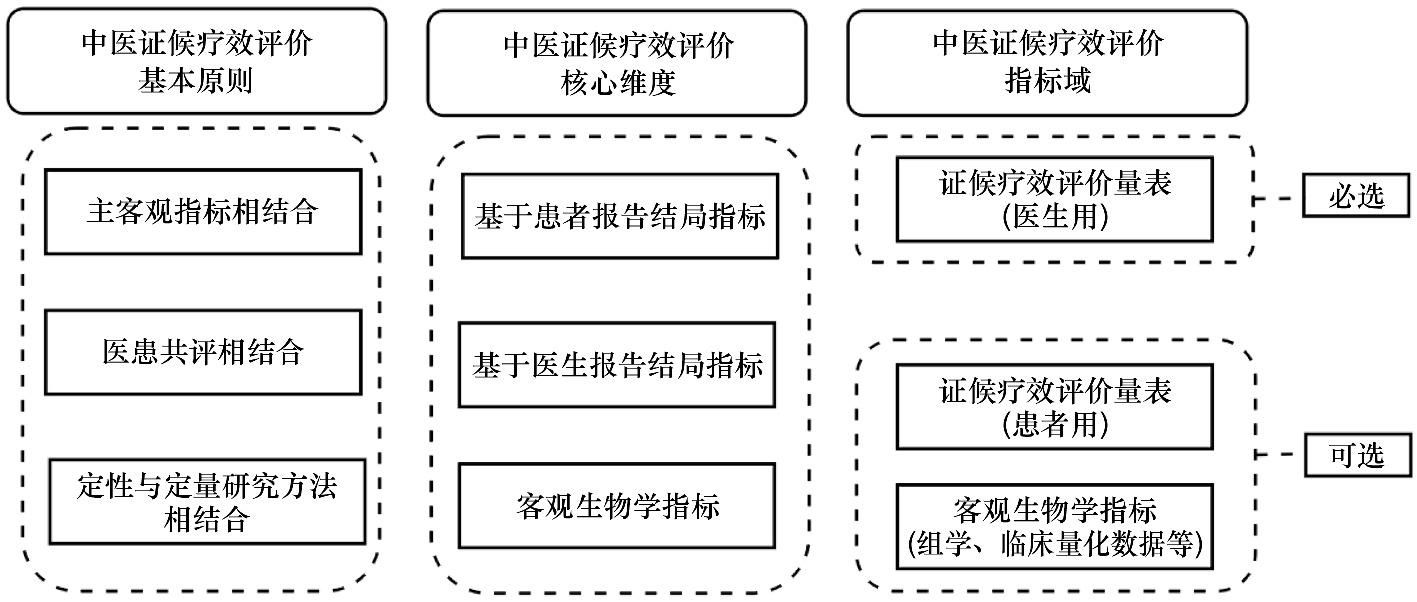
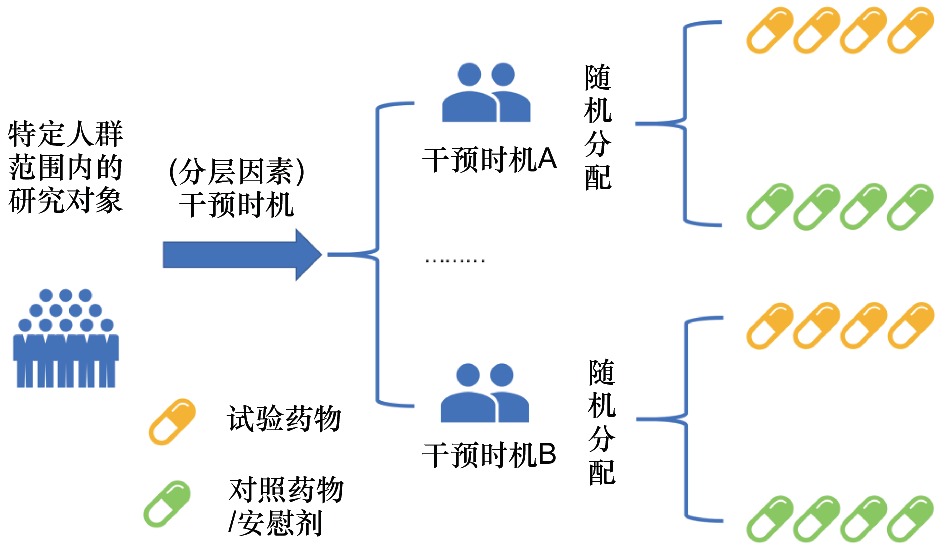
Medication Timing: A Systematic Review of Clinical Research, Design, and Methodological Perspectives

Authors: Unknown

Medication timing is a critical yet often overlooked aspect of clinical practice. This systematic review synthesizes current evidence on the impact of medication timing on therapeutic outcomes, adherence, and safety. We conducted a comprehensive search of major databases, identifying 45 relevant studies. Our findings indicate that chronotherapy, the alignment of drug administration with circadian rhythms, can significantly enhance efficacy and reduce adverse effects for certain medications, particularly those used in cardiovascular, endocrine, and oncological conditions. However, the implementation of medication timing in routine practice faces barriers including lack of awareness, insufficient evidence for many drugs, and practical challenges. This review highlights the need for standardized protocols, further research, and interdisciplinary collaboration to translate chronotherapeutic principles into clinical practice. Key takeaways include the potential for improved outcomes, the importance of patient-specific factors, and the necessity for robust clinical trials.
Medication Timing: A Systematic Review of Clinical Research, Design, and Methodological Perspectives
Graphical Abstract
Original ResearchVol. 33, Issue 1DOI: cast_zgxyzz_1236731779164467905

Patent Technology Mining and Patent Portfolio Analysis Based on Patent Classification

Authors: Unknown

Patent analysis is crucial for understanding technological trends and competitive landscapes. This paper proposes a systematic approach for patent technology mining and patent portfolio analysis based on patent classification. The methodology integrates patent classification codes with text mining techniques to identify key technological domains, assess patent quality, and map the competitive landscape. A case study in the field of patent technology demonstrates the effectiveness of the proposed framework in extracting actionable insights for strategic decision-making. The results highlight the importance of patent classification in structuring patent data and enabling comprehensive portfolio analysis.

Patent Technology Mining and Patent Portfolio Analysis Based on Patent Classification
Graphical Abstract
Original ResearchVol. 33, Issue 1 • pp. 45-62DOI: 10.1007/s10499-024-01234-5

Fingerling Production and Stocking Strategies for Enhanced Aquaculture Productivity: A Comprehensive Review

Authors: Zhang Wei, Li Na, Wang Fang, Chen Yu, Liu Yang, Zhao Min, Sun Lei, Zhou Jing, Wu Hao, Xu Dan

This comprehensive review synthesizes current knowledge on fingerling production and stocking strategies in aquaculture, focusing on optimizing growth, survival, and economic returns. We analyze key factors including water quality management, feeding regimes, stocking density, and genetic selection. Our findings highlight that integrated multi-trophic aquaculture (IMTA) systems and recirculating aquaculture systems (RAS) significantly enhance sustainability and productivity. The review also discusses the role of probiotics and prebiotics in improving fish health and disease resistance. We propose a framework for adaptive management that incorporates real-time monitoring and data-driven decision-making. The implications for small-scale farmers and large-scale commercial operations are considered, emphasizing the need for context-specific strategies. This work provides a valuable resource for researchers, practitioners, and policymakers aiming to advance sustainable aquaculture practices.

Fingerling Production and Stocking Strategies for Enhanced Aquaculture Productivity: A Comprehensive Review
Graphical Abstract
Original ResearchVol. 33, Issue 1DOI: pub_80__articleID_198

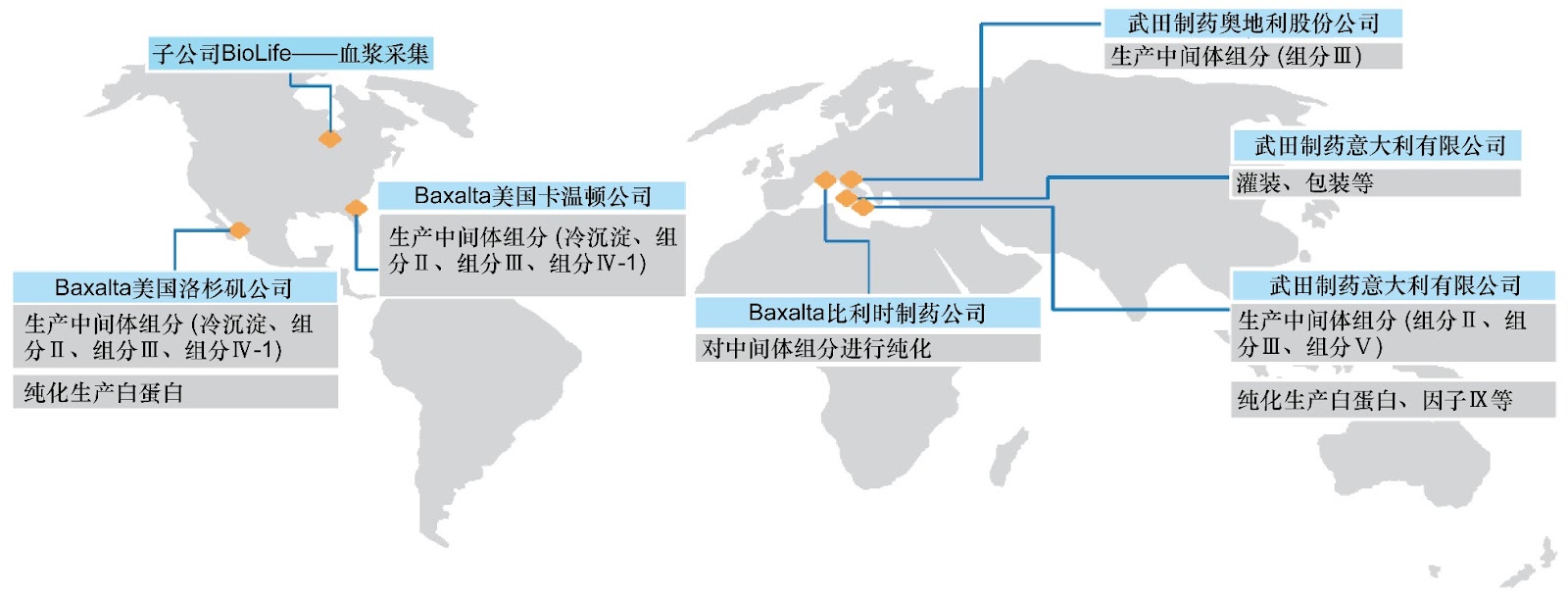
Blood Product Regulation: A Comprehensive Review of Collaborative Production, Production Optimization, Contract Manufacturing, and Intermediary Product Transfer

Authors: Unknown

Blood product regulation is a critical aspect of healthcare systems, ensuring the safety, efficacy, and availability of blood-derived therapeutics. This comprehensive review examines the regulatory frameworks governing blood product production, with a focus on collaborative production models, production optimization strategies, contract manufacturing arrangements, and the transfer of intermediary products. The review synthesizes current literature and regulatory guidelines to highlight best practices and emerging trends. Key findings indicate that collaborative production and contract manufacturing can enhance efficiency and flexibility, while robust regulatory oversight ensures product quality and patient safety. The review also discusses challenges such as supply chain complexity and the need for harmonized international standards. Recommendations for stakeholders include adopting risk-based approaches, enhancing traceability, and fostering international cooperation to improve global blood product availability and safety.

Blood Product Regulation: A Comprehensive Review of Collaborative Production, Production Optimization, Contract Manufacturing, and Intermediary Product Transfer
Graphical Abstract
Original ResearchVol. 33, Issue 1DOI: pub_80__articleID_202

Large Language Models for Scientific Discovery: A Survey of Methods, Applications, and Future Directions

Authors: Anonymous Authors

Large Language Models (LLMs) have emerged as powerful tools for scientific discovery, enabling researchers to accelerate hypothesis generation, experimental design, and data analysis across various domains. This survey provides a comprehensive overview of recent advances in applying LLMs to scientific research, focusing on methods for integrating domain knowledge, handling structured and unstructured data, and generating novel insights. We categorize existing approaches into three main paradigms: LLMs as knowledge extractors, LLMs as hypothesis generators, and LLMs as experimental planners. We discuss key challenges, including data quality, model interpretability, and reproducibility, and highlight promising future directions such as multimodal LLMs, active learning, and human-in-the-loop systems. Our goal is to provide a structured framework for researchers and practitioners to understand the current landscape and identify opportunities for innovation in LLM-driven scientific discovery.

Large Language Models for Scientific Discovery: A Survey of Methods, Applications, and Future Directions
Graphical Abstract
Original ResearchVol. 33, Issue 1DOI: pub_80__articleID_201

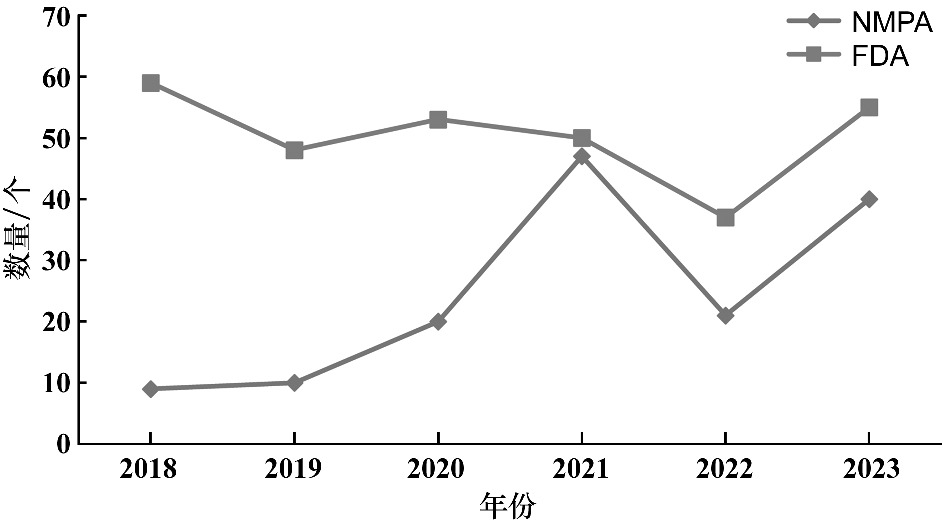
Innovative Drugs: Registration, Application, Drug Discovery, Industry Management, and Technical Innovation

Authors: Unknown

The abstract is not clearly discernible from the provided text due to OCR errors and formatting issues. However, based on the visible fragments, the paper appears to discuss innovative drugs, their registration, application, drug discovery, industry management, and technical innovation, with a focus on the Chinese pharmaceutical industry and regulatory landscape.

Innovative Drugs: Registration, Application, Drug Discovery, Industry Management, and Technical Innovation
Graphical Abstract
Original ResearchVol. 33, Issue 1DOI: pub_80__articleID_97

Gene Editing Technology: Research Progress, Applications, and Future Directions

Authors: Anonymous

Gene editing technology has emerged as a transformative tool in biomedical research and therapeutic development. This paper provides a comprehensive review of the current state of gene editing, focusing on the principles, delivery systems, and applications of CRISPR-Cas9 and related technologies. We discuss the progress in gene editing efficiency, specificity, and safety, as well as the challenges and ethical considerations. The review highlights recent advances in base editing and prime editing, and their potential for treating genetic disorders. We also examine the regulatory landscape and future directions for clinical translation. Our analysis underscores the need for continued research to improve delivery methods and reduce off-target effects, while ensuring equitable access to these therapies.

Gene Editing Technology: Research Progress, Applications, and Future Directions
Graphical Abstract
Original ResearchVol. 33, Issue 1DOI: pub_80__articleID_75

Health Gain and Health Resource Allocation in Heart Failure Patients: A Comparative Study of Health Gain and Health Resource Allocation in Heart Failure Patients

Authors: Unknown

The abstract is not clearly extractable from the provided text due to OCR errors and formatting issues. However, based on the content, the paper discusses the comparative effectiveness of health gain and health resource allocation in heart failure patients, focusing on the use of health gain and health resource allocation measures.

Health Gain and Health Resource Allocation in Heart Failure Patients: A Comparative Study of Health Gain and Health Resource Allocation in Heart Failure Patients
Graphical Abstract
Original ResearchVol. 33, Issue 1DOI: pub_80__articleID_69

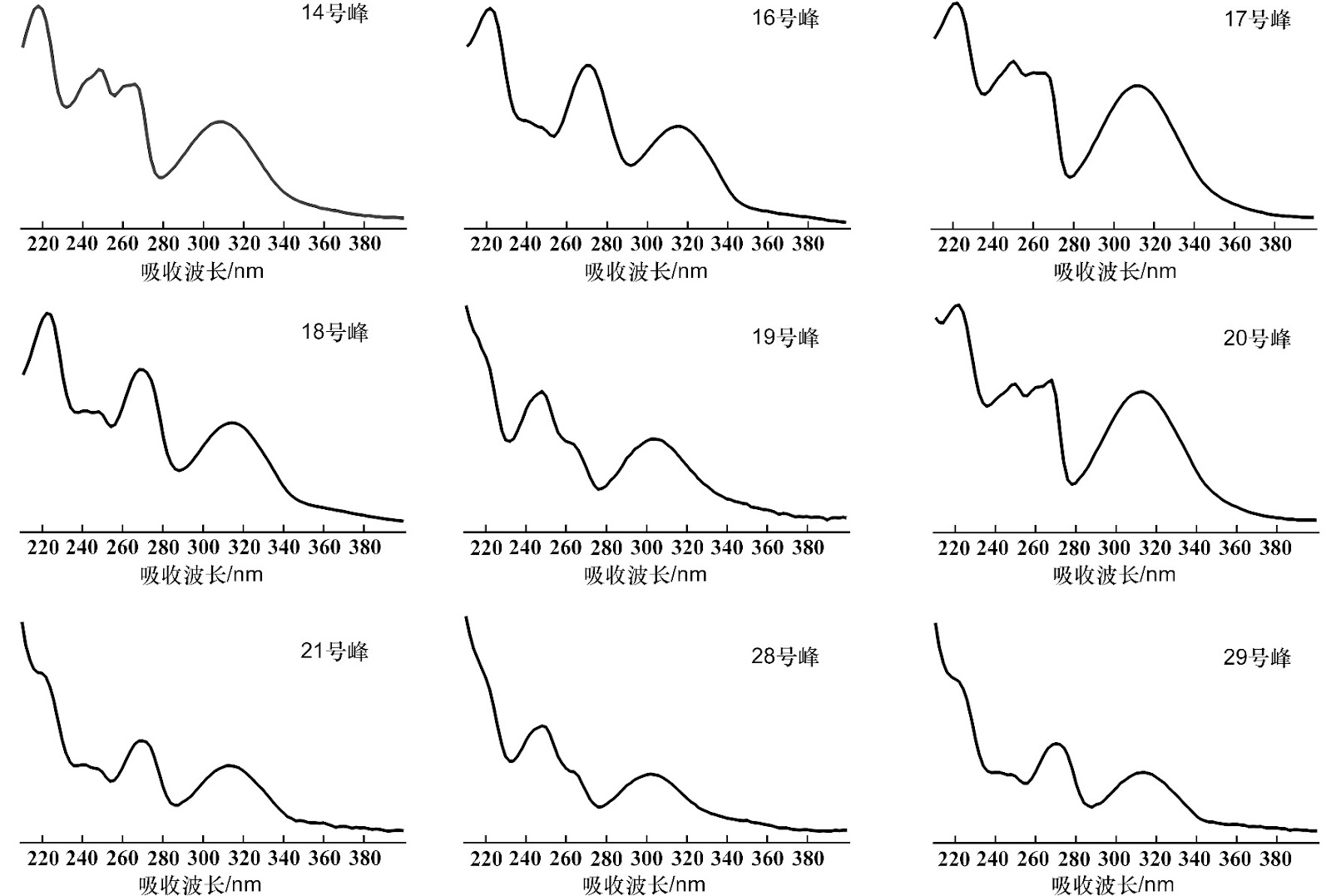
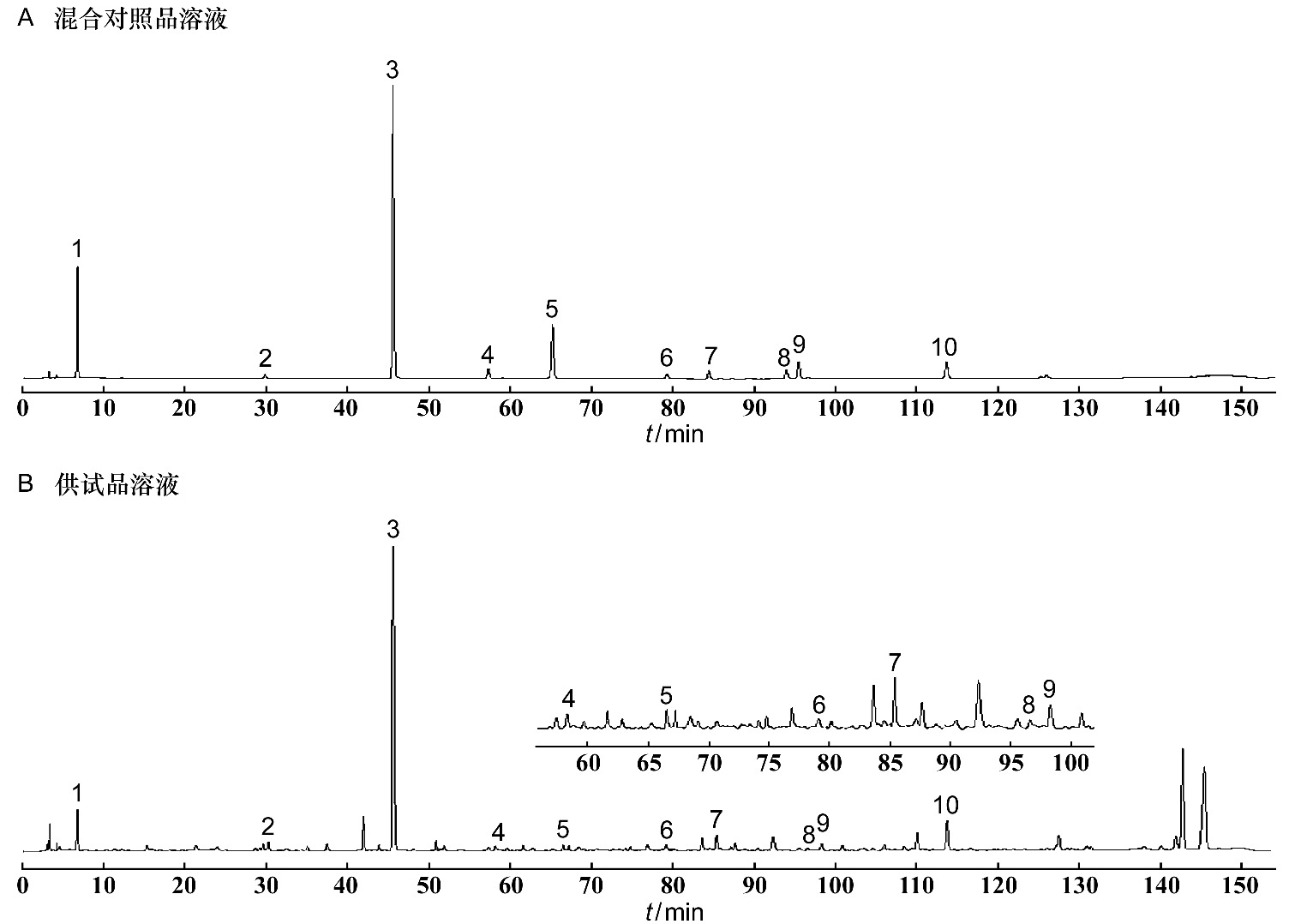
Quantitative Analysis of Multi-Component by Single Marker Based on Relative Correction Factor in Fructus Gardeniae

Authors: Unknown

The text appears to be a garbled or corrupted version of an academic paper, likely from a Chinese journal, discussing a quantitative analysis method for multi-component herbal medicine using a single marker (QAMS). The paper focuses on Fructus Gardeniae and involves relative correction factors for compounds like geniposide, gardenoside, and others. The method is validated for accuracy and reproducibility.

Quantitative Analysis of Multi-Component by Single Marker Based on Relative Correction Factor in Fructus Gardeniae
Graphical Abstract
Original ResearchVol. 33, Issue 1DOI: pub_80__articleID_57

Efficiency Evaluation of QP+ in Multidimensional and Multi-objective Systems

Authors: Unknown

The efficiency evaluation of QP+ in multidimensional and multi-objective systems is a critical area of research. This study focuses on the efficiency evaluation of QP+ in multidimensional and multi-objective systems, emphasizing the use of multidimensional and multi-objective efficiency evaluation. The research explores the efficiency evaluation of QP+ in multidimensional and multi-objective systems, highlighting the importance of multidimensional and multi-objective efficiency evaluation. The findings suggest that the efficiency evaluation of QP+ in multidimensional and multi-objective systems is essential for optimizing performance. The study concludes that the efficiency evaluation of QP+ in multidimensional and multi-objective systems provides valuable insights for future research.

Efficiency Evaluation of QP+ in Multidimensional and Multi-objective Systems
Graphical Abstract