🧬 SinoBioData Academic Portal
🏛️ Indexed Academic JournalOriginal: 生物化学与生物物理学报

Acta Biochimica et Biophysica Sinica

Premier Chinese Biomedical Journal indexed in SinoBioData: Acta Biochimica et Biophysica Sinica (生物化学与生物物理学报).

Total Research Papers: 200
Access: 100% Free Open Access
Browse by Publication Year & VolumeReset All Filters ✕

Published Research PapersFiltered: Year 2024 • 56 • 8

Showing 3 of 200 peer-reviewed papers with full Graphical Abstracts.

Original ResearchVol. 56, Issue 8 • pp. 1118-1129DOI: 10.3724/abbs.2024127

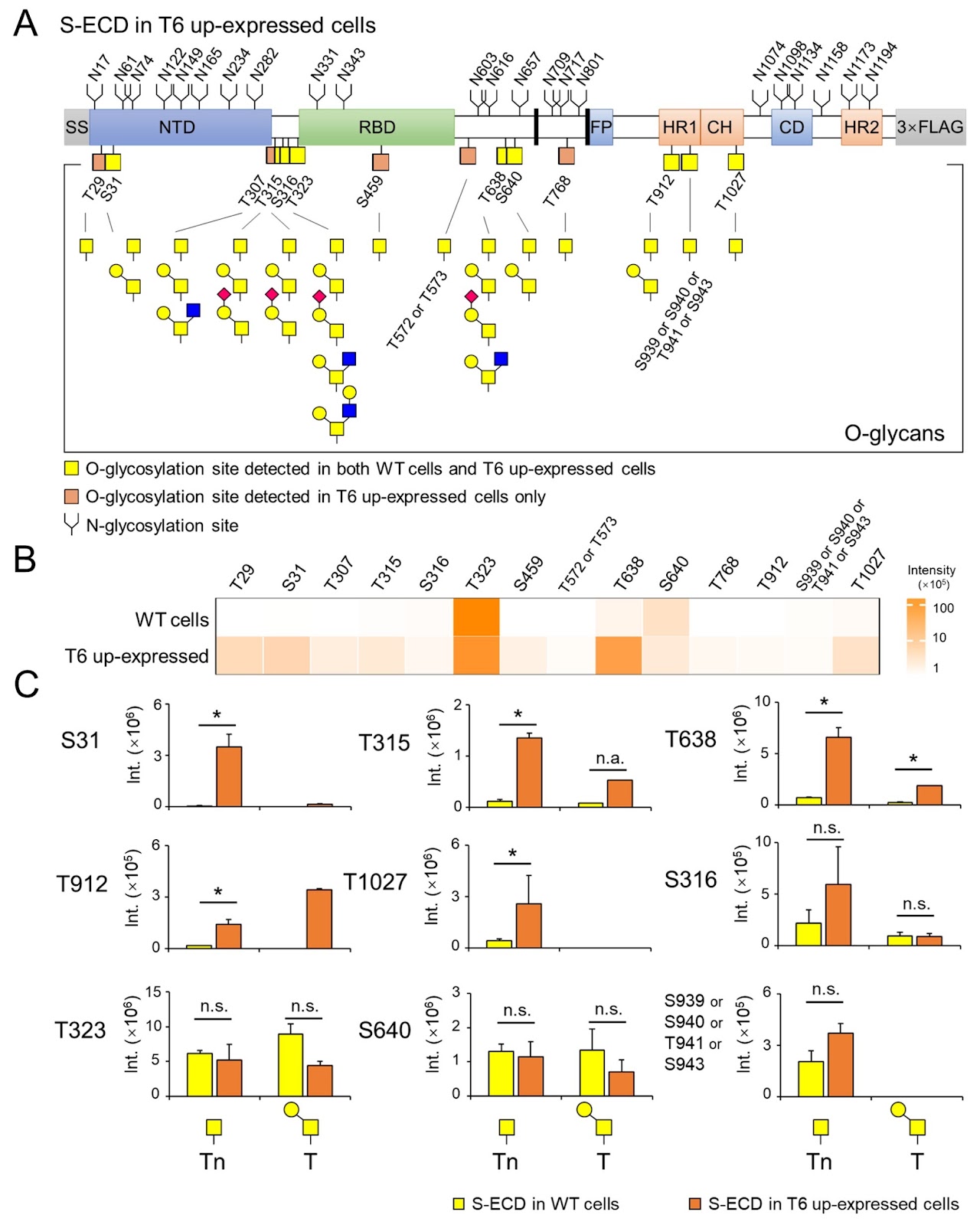
O-glycosylation of SARS-CoV-2 spike protein by host O-glycosyltransferase strengthens its trimeric structure

Authors: Zhijue Xu, Han Zhang, Jiaqi Tian, Xin Ku, Rumeng Wei, Jingli Hou, Can Zhang, Fang Yang, Xia Zou, Yang Li, Hiroyuki Kaji, Sheng-Ce Tao, Atsushi Kuno, Wei Yan, Lin-Tai Da, Yan Zhang

Protein O-glycosylation, also known as mucin-type O-glycosylation, is one of the most abundant glycosylation in mammalian cells. It is initially catalyzed by a family of polypeptide GalNAc transferases (ppGalNAc-Ts). The trimeric spike protein (S) of SARS-CoV-2 is highly glycosylated and facilitates the virus’s entry into host cells and membrane fusion of the virus. However, the functions and relationship between host ppGalNAc-Ts and O-glycosylation on the S protein remain unclear. Herein, we identify 15 O-glycosites and 10 distinct O-glycan structures on the S protein using an HCD-product-dependent triggered ETD mass spectrometric analysis. We observe that the isoenzyme T6 of ppGalNAc-Ts (ppGalNAc-T6) exhibits high O-glycosylation activity for the S protein, as demonstrated by an on-chip catalytic assay. Overexpression of ppGalNAc-T6 in HEK293 cells significantly enhances the O-glycosylation level of the S protein, not only by adding new O-glycosites but also by increasing O-glycan heterogeneity. Molecular dynamics simulations reveal that O-glycosylation on the protomer-interface regions, modified by ppGalNAc-T6, potentially stabilizes the trimeric S protein structure by establishing hydrogen bonds and non-polar interactions between adjacent protomers. Furthermore, mutation frequency analysis indicates that most O-glycosites of the S protein are conserved during the evolution of SARS-CoV-2 variants. Taken together, our finding demonstrate that host O-glycosyltransferases dynamically regulate the O-glycosylation of the S protein, which may influence the trimeric structural stability of the protein. This work provides structural insights into the functional role of specific host O-glycosyltransferases in regulating the O-glycosylation of viral envelope proteins.
O-glycosylation of SARS-CoV-2 spike protein by host O-glycosyltransferase strengthens its trimeric structure
Graphical Abstract
Original ResearchVol. 56, Issue 8 • pp. 1130-1144DOI: 10.3724/abbs.2024100

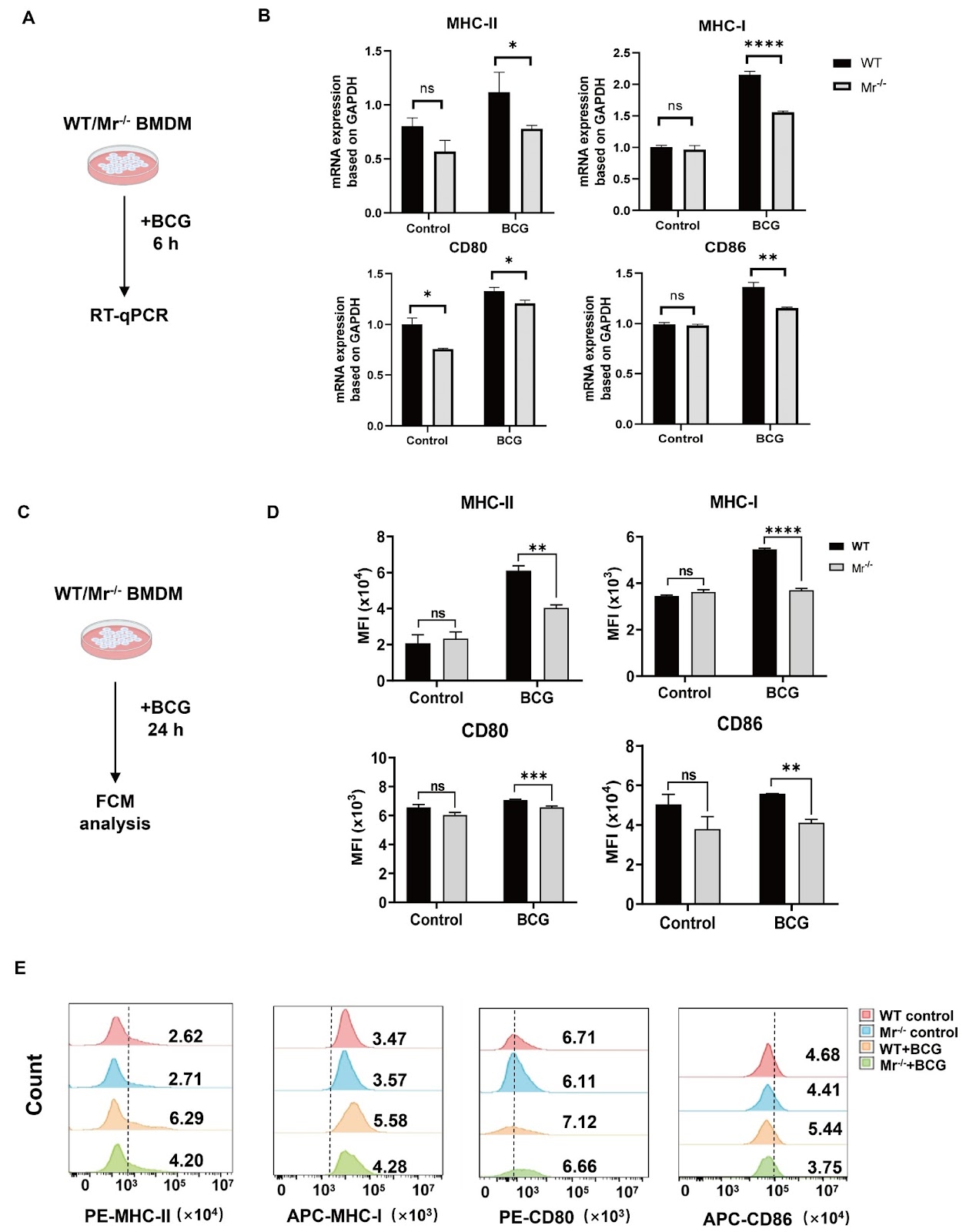
Macrophages exploit the mannose receptor and JAK-STAT1-MHC-II pathway to drive antigen presentation and the antimycobacterial immune response after BCG vaccination

Authors: Ying Zhang, Dandan Xu, Qi Nie, Jing Wang, Dan Fang, Yan Xie, Huang Xiong, Qin Pan, Xiao-Lian Zhang

Tuberculosis (TB), caused by Mycobacterium tuberculosis (M.tb), remains one of the leading causes of fatal infectious diseases worldwide. The only licensed vaccine, Mycobacterium bovis Bacillus Calmette-Guérin (BCG), has variable efficacy against TB in adults. Insufficiency of immune cell function diminishes the protective effects of the BCG vaccine. It is critical to clarify the mechanism underlying the antimycobacterial immune response during BCG vaccination. Macrophage mannose receptor (MR) is important for enhancing the uptake and processing of glycoconjugated antigens from pathogens for presentation to T cells, but the roles of macrophage MR in the BCG-induced immune response against M.tb are not yet clear. Here, we discover that macrophage MR deficiency impairs the antimycobacterial immune response in BCG-vaccinated mice. Mechanistically, macrophage MR triggers JAK-STAT1 signaling, which promotes antigen presentation via upregulated MHC-II and induces IL-12 production by macrophages, contributing to CD4+ T cell activation and IFN-γ production. MR deficiency in macrophages reduces the vaccine efficacy of BCG and increases susceptibility to M.tb H37Ra challenge in mice. Our results suggest that MR is critical for macrophage antigen presentation and the antimycobacterial immune response to BCG vaccination and offer valuable guidance for the preventive strategy of BCG immunization.

Macrophages exploit the mannose receptor and JAK-STAT1-MHC-II pathway to drive antigen presentation and the antimycobacterial immune response after BCG vaccination
Graphical Abstract
Original ResearchVol. 56, Issue 8 • pp. 1145-1155DOI: 10.3724/abbs.2024123

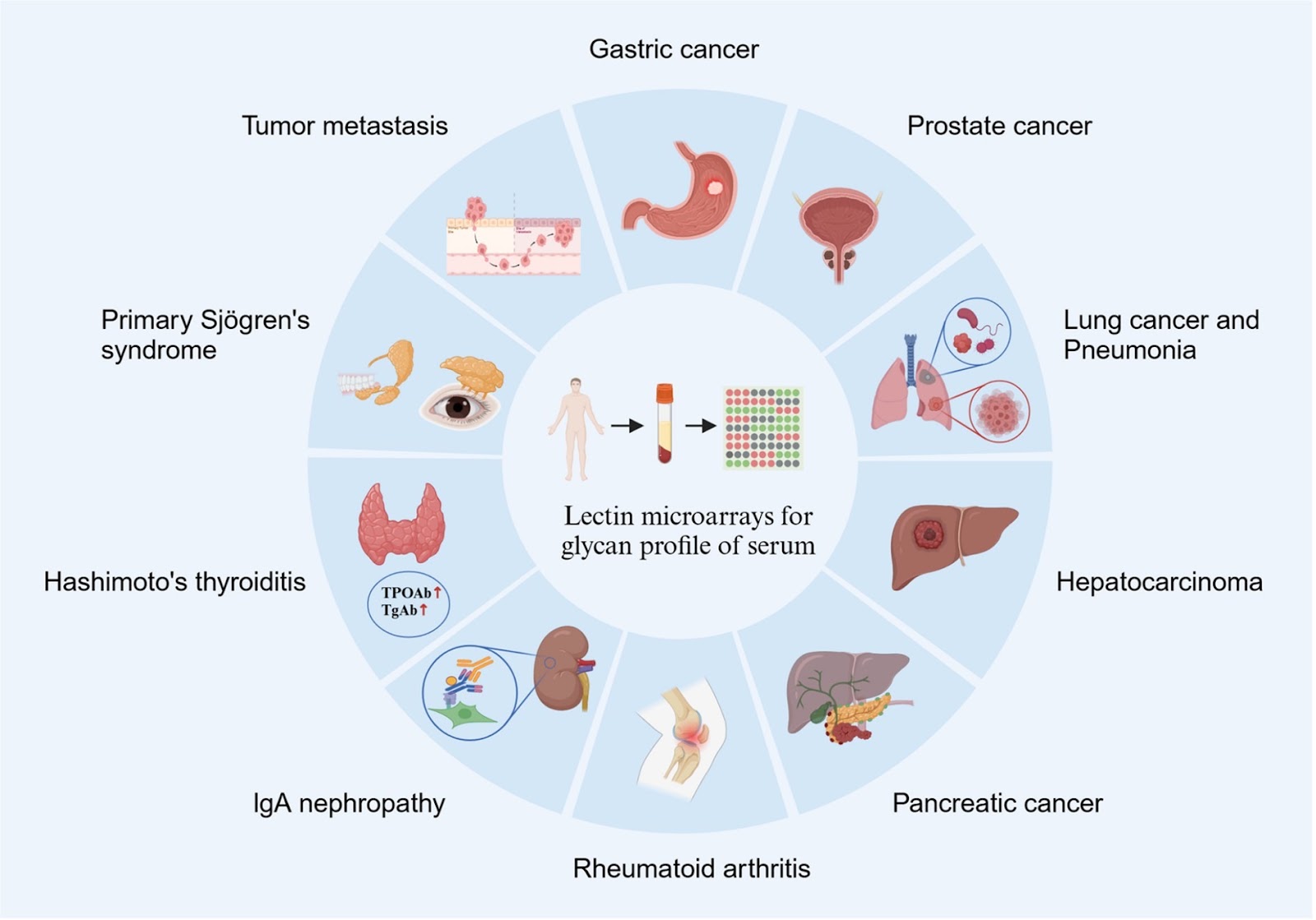
Deciphering disease through glycan codes: leveraging lectin microarrays for clinical insights

Authors: Hangzhou Yang, Zihan Lin, Bo Wu, Jun Xu, Sheng-Ce Tao, Shumin Zhou

Glycosylation, a crucial posttranslational modification, plays a significant role in numerous physiological and pathological processes. Lectin microarrays, which leverage the high specificity of lectins for sugar binding, are ideally suited for profiling the glycan spectra of diverse and complex biological samples. In this review, we explore the evolution of lectin detection technologies, as well as the applications and challenges of lectin microarrays in analyzing the glycome profiles of various clinical samples, including serum, saliva, tissues, sperm, and urine. This review not only emphasizes significant advancements in the high-throughput analysis of polysaccharides but also provides insight into the potential of lectin microarrays for diagnosing and managing diseases such as tumors, autoimmune diseases, and chronic inflammation. We aim to provide a clear, concise, and comprehensive overview of the use of lectin microarrays in clinical settings, thereby assisting researchers in conducting clinical studies in glycobiology.

Deciphering disease through glycan codes: leveraging lectin microarrays for clinical insights
Graphical Abstract