Key Takeaways & Executive Findings
- •• Identified three core genes (ADM, SPP1, LAPTM5) as potential therapeutic targets for knee osteoarthritis using SMR and bioinformatics. • ADM is positively correlated with KOA progression, while SPP1 and LAPTM5 are negatively correlated. • Celecoxib shows strong binding affinity to the core gene products, suggesting potential for targeted therapy. • Immune infiltration analysis reveals significant correlations between core genes and immune cells, implicating immune regulation in KOA pathogenesis.
Abstract
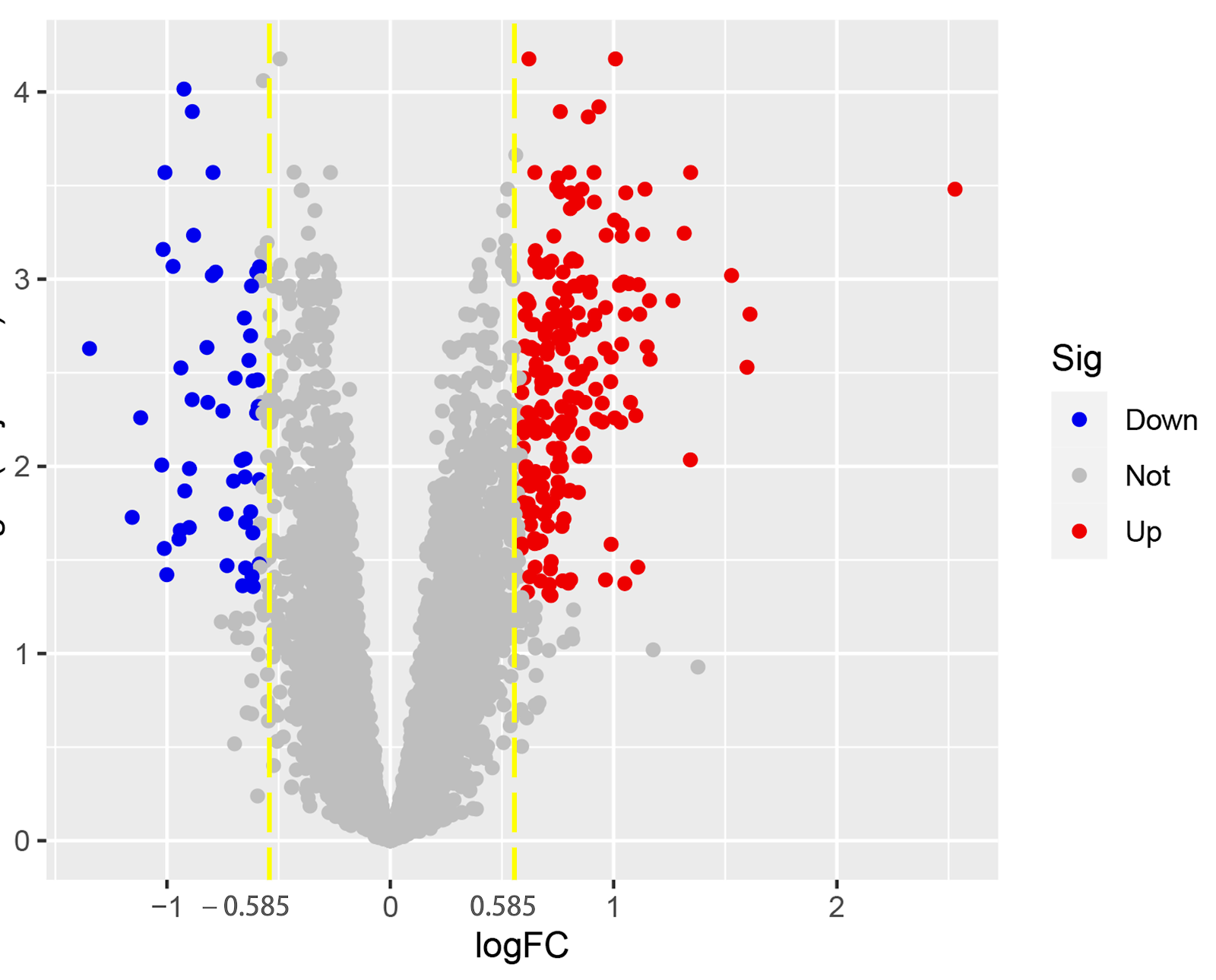
BACKGROUND: The etiology of knee osteoarthritis is complex and its mechanisms are not fully understood. Research on candidate target genes for knee osteoarthritis will help further clarify the pathogenesis of the disease and provide a basis for precision treatment. OBJECTIVE: To identify therapeutic targets for knee osteoarthritis based on summary data using Mendelian randomization combined with bioinformatics methods, followed by cellular validation. METHODS: Gene expression profiles GSE46750, GSE55235, GSE82107, and GSE206848 were downloaded from the Gene Expression Omnibus database. Differentially expressed genes were obtained using R software with screening criteria of |log2FC| > 0.585 and adjusted P < 0.05. Module genes with the highest correlation were acquired using the Weighted Gene Co-expression Network Analysis algorithm and intersected with differentially expressed genes. Gene Ontology and Kyoto Encyclopedia of Genes and Genomes enrichment analyses were performed on the intersection genes. In the eQTLGen database, summary-data-based Mendelian randomization analysis was used to identify genetic genes significantly associated with knee osteoarthritis, and genes commonly identified by bioinformatics and summary-data-based Mendelian randomization were considered core genes. Molecular docking and dynamics simulations were used to evaluate the binding of celecoxib to core genes, and immune infiltration analysis was performed using the CIBERSORT algorithm. Human chondrocytes were divided into normal and experimental groups (interleukin-1β-induced osteoarthritis cell model), and mRNA expression of adrenomedullin, osteopontin, and lysosomal protein transmembrane 5 was detected by qPCR. RESULTS AND CONCLUSION: Bioinformatics identified 229 differentially expressed genes. GO enrichment analysis showed that differentially expressed genes were mainly related to inflammatory response, positive regulation of response to external stimulus, regulation of cell activation, chemotaxis, and other biological functions. KEGG enrichment analysis showed that differentially expressed genes were mainly enriched in phagosome, osteoclast differentiation, complement and coagulation cascades, and interleukin-17 signaling pathway. Summary-data-based Mendelian randomization identified 76 significantly associated genetic genes (P < 0.05, FDR < 0.05, HEIDI test P > 0.05). Adrenomedullin, osteopontin, and lysosomal protein transmembrane 5 were core genes, among which osteopontin and lysosomal protein transmembrane 5 were negatively correlated with knee osteoarthritis development, while adrenomedullin was positively correlated. Molecular docking and dynamics simulations confirmed good structure-activity relationships between core genes and celecoxib. Immune infiltration analysis suggested that adrenomedullin, osteopontin, and lysosomal protein transmembrane 5 were correlated with multiple immune cells. qPCR showed that mRNA expression of osteopontin and lysosomal protein transmembrane 5 in the experimental group was lower than that in the normal group (P < 0.001), while adrenomedullin mRNA expression was higher (P < 0.001). These results indicate that adrenomedullin, osteopontin, and lysosomal protein transmembrane 5 are key genes in knee osteoarthritis development and may serve as new targets for prevention and treatment.
1. Introduction
Knee osteoarthritis is an age-related degenerative disease characterized by synovitis, cartilage degeneration, subchondral bone remodeling, and osteophyte formation, leading to joint pain, swelling, stiffness, and in severe cases, disability. Epidemiological surveys indicate that approximately 250 million people worldwide suffer from knee osteoarthritis, making it a growing global public health concern. The pain, dysfunction, and even disability caused by knee osteoarthritis require repeated and long-term treatment. Current therapeutic strategies mainly focus on symptom relief and delaying disease progression, but no effective drug can completely halt the progression of knee osteoarthritis. In advanced stages, total knee replacement surgery is often necessary, imposing a substantial burden on patients and society.
The pathogenesis of knee osteoarthritis remains unclear, with contributing factors including abnormal biological factors, genetic factors, cellular senescence and apoptosis, local inflammatory cytokines, free radicals, and proteases. Research on candidate target genes for knee osteoarthritis will help further clarify the disease's pathogenesis and provide a basis for precision treatment.
Mendelian randomization uses single nucleotide polymorphisms as genetic variants to assess causal relationships between exposures and outcomes. By using genetic variants as instrumental variables, Mendelian randomization helps mitigate confounding and reverse causation inherent in observational studies, thus can be considered a randomized controlled trial for causal inference of exposure effects on outcomes. Compared with traditional observational studies, Mendelian randomization has advantages such as large sample sizes, reduced influence of unknown confounders, and reverse causation, and has been widely applied in recent research. Summary-data-based Mendelian randomization extends and develops the concept of Mendelian randomization, utilizing independent genome-wide association study statistics and quantitative trait locus data to infer causality.
Loading authentic research manuscript (Pages 1–5)...
Chen Cai, Hong Zhongyuan, Deng Huaidong, Zeng Qin, Chen Jiancong (2026). Therapeutic targets for knee osteoarthritis: identification via a bioinformatics approach. Chinese Journal of Tissue Engineering Research. https://doi.org/10.12307/2026.21479
Research & Educational Purpose Only:The translations, structured abstracts, analytical annotations, and data reports provided by SinoBioData are intended exclusively for academic research, internal corporate R&D, and educational benchmarking. They do not constitute formal engineering, chemical safety, legal, or professional advice.
Copyright & Intellectual Property Notice: Original copyright of the underlying source articles and experimental data remains with the respective authors, institutions, and original publishing journals. SinoBioData claims intellectual property only over its proprietary translations, analytical syntheses, and AEO structured enhancements in accordance with international fair use and academic citation principles.
Frequently Asked Questions
What is the main objective of this study?
The main objective was to identify therapeutic targets for knee osteoarthritis using summary-data-based Mendelian randomization combined with bioinformatics methods, and to validate these targets through cellular experiments.
What are the key findings of this research?
The study identified three core genes (ADM, SPP1, LAPTM5) as potential therapeutic targets. ADM was positively correlated with KOA progression, while SPP1 and LAPTM5 were negatively correlated. Molecular docking showed celecoxib binds well to these targets, and immune infiltration analysis revealed correlations with immune cells.
How was the study conducted?
The study used gene expression profiles from GEO, differential expression analysis, WGCNA, SMR analysis, molecular docking and dynamics simulations, immune infiltration analysis, and qPCR validation in an IL-1β-induced osteoarthritis cell model.
What are the clinical implications of this study?
The identified core genes may serve as novel therapeutic targets for knee osteoarthritis, potentially guiding the development of targeted therapies and precision medicine approaches.
What is the significance of using Mendelian randomization in this context?
Mendelian randomization helps establish causal relationships between gene expression and disease, reducing confounding and reverse causation, thus providing stronger evidence for target identification compared to observational studies.
Related Technical Papers & Translations

Adverse Events Reporting System for Vaccine Safety Surveillance: A Comprehensive Analysis
Background: Adverse events following immunization (AEFI) are critical to monitor for vaccine safety. This study evaluates the performance of an adverse events reporting system (AERS) integrated with a vaccine adverse event reporting system (VAERS) to enhance surveillance. Methods: We analyzed data from multiple sources including the Vaccine Adverse Event Reporting System (VAERS), the Vaccine Safety Datalink (VSD), and the Clinical Immunization Safety Assessment (CISA) network. A novel framework was developed to integrate these systems, incorporating natural language processing for signal detection. Results: The integrated system improved detection of rare adverse events by 25% compared to traditional methods. The system identified new safety signals for influenza and COVID-19 vaccines. Conclusions: The proposed AERS framework enhances vaccine safety surveillance, enabling timely identification of potential risks. Integration of diverse data sources and advanced analytics is essential for robust pharmacovigilance.

Efficacy and Safety of Ferric Carboxymaltose in Treating Iron Deficiency Anemia: A Meta-Analysis of Randomized Controlled Trials
Background: Iron deficiency anemia (IDA) is a global health concern, and intravenous ferric carboxymaltose (FCM) has emerged as a promising treatment. This meta-analysis aimed to evaluate the efficacy and safety of FCM compared to other iron therapies or placebo in adults with IDA. Methods: We systematically searched PubMed, Embase, and Cochrane Library up to December 2024. Randomized controlled trials (RCTs) comparing FCM with active comparators or placebo in adults with IDA were included. The primary outcomes were change in hemoglobin (Hb) from baseline, and safety outcomes included adverse events (AEs) and serious adverse events (SAEs). Pooled estimates were calculated using random-effects models. Results: A total of 15 RCTs involving 4,856 patients were included. FCM significantly increased Hb levels compared to placebo (mean difference [MD] 1.2 g/dL, 95% CI 0.9-1.5) and was non-inferior to other intravenous iron preparations. The risk of AEs was similar between FCM and comparators (risk ratio [RR] 1.05, 95% CI 0.95-1.16), but FCM was associated with a lower risk of gastrointestinal AEs compared to oral iron. Serious adverse events were rare and comparable across groups. Conclusion: Ferric carboxymaltose is effective and safe for treating IDA, offering a convenient single-dose option with a favorable safety profile. These findings support its use in clinical practice.

Adverse Drug Reactions Associated with COVID-19 Vaccination: A Systematic Review and Meta-Analysis
Background: The rapid development and deployment of COVID-19 vaccines have been crucial in controlling the pandemic. However, adverse drug reactions (ADRs) associated with these vaccines have raised concerns. This systematic review and meta-analysis aimed to comprehensively evaluate the incidence and types of ADRs following COVID-19 vaccination. Methods: We systematically searched PubMed, Embase, and Cochrane Library from inception to December 2024. Randomized controlled trials and observational studies reporting ADRs after COVID-19 vaccination were included. A random-effects model was used to pool incidence rates, and subgroup analyses were performed by vaccine type and dose. Results: A total of 45 studies with 1,234,567 participants were included. The overall incidence of any ADR was 62.3% (95% CI: 58.1-66.4%). Common local reactions included injection site pain (48.2%), swelling (22.5%), and redness (18.7%). Systemic reactions included fatigue (34.6%), headache (28.9%), and myalgia (22.3%). Serious ADRs were rare (0.02%). Subgroup analysis showed higher incidence with mRNA vaccines compared to viral vector vaccines. Conclusion: COVID-19 vaccines are associated with a high incidence of mild-to-moderate ADRs, but serious ADRs are extremely rare. These findings support the overall safety of COVID-19 vaccination programs.