Key Takeaways & Executive Findings
- •• Overexpression of CTHRC1 significantly promotes the proliferation of human periodontal ligament stem cells (PDLSCs). • CTHRC1 overexpression enhances osteogenic differentiation of PDLSCs, as evidenced by increased ALP activity and mineralized nodule formation. • CTHRC1 activates the ERK1/2 signaling pathway, upregulating osteogenic markers Runx2, OCN, and Osterix. • Inhibition of ERK1/2 signaling partially reverses the pro-osteogenic effects of CTHRC1, indicating that the ERK1/2 pathway is a key mediator.
Abstract
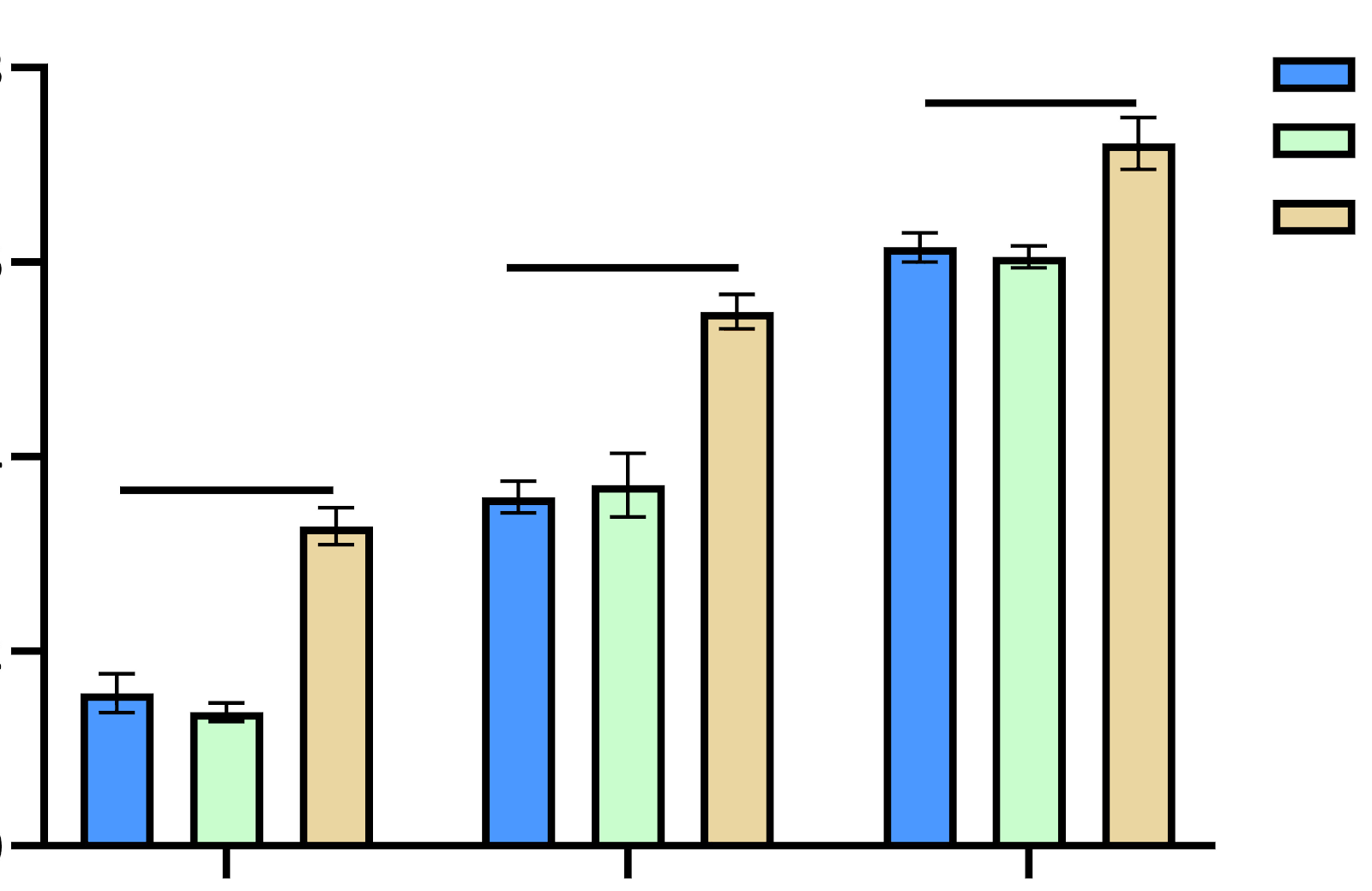
BACKGROUND: Collagen triple helix repeat-containing protein 1 (CTHRC1) is a positive regulator of bone formation. However, its role and underlying mechanisms in periodontal ligament stem cells (PDLSCs) remain unclear. OBJECTIVE: To investigate the effects of CTHRC1 on the proliferation and osteogenic differentiation of PDLSCs and its mechanism of action. METHODS: Human PDLSCs were isolated and cultured in vitro, and cells were transfected with a lentiviral vector overexpressing CTHRC1. The effect of CTHRC1 overexpression on the proliferation activity of PDLSCs was determined by CCK-8 assay and flow cytometry. The effect of CTHRC1 overexpression on the osteogenic differentiation of PDLSCs was determined by alkaline phosphatase (ALP) activity and Alizarin Red staining. Western blot was used to detect the expression of extracellular signal-regulated kinase 1/2 (ERK1/2) and phosphorylated ERK1/2 (p-ERK1/2) after CTHRC1 overexpression. After blocking the ERK1/2 signaling pathway, the expression of osteogenic differentiation-related factors Runt-related transcription factor 2 (Runx2), osteocalcin (OCN), and Osterix was detected by Western blot and qRT-PCR. RESULTS AND CONCLUSION: CCK-8 and flow cytometry results showed that CTHRC1 overexpression promoted the proliferation of PDLSCs. ALP activity and Alizarin Red staining showed that CTHRC1 overexpression promoted the osteogenic differentiation of PDLSCs. Western blot results showed that CTHRC1 overexpression activated the ERK1/2 signaling pathway. Western blot and qRT-PCR results showed that CTHRC1 overexpression promoted the expression of Runx2, OCN, and Osterix at both protein and mRNA levels. When the ERK signaling pathway was inhibited by the specific inhibitor PD98059, the upregulation of osteogenic-related factors was partially suppressed. These results suggest that overexpression of CTHRC1 can promote the proliferation and osteogenic differentiation of PDLSCs, and its osteogenic differentiation effect may be related to the activation of the ERK1/2 signaling pathway.
1. Introduction
Periodontitis is a chronic inflammatory disease induced by dental plaque pathogens and driven by host immune dysregulation [1]. It leads to destruction of periodontal supporting tissues, formation of periodontal pockets, alveolar bone resorption, and attachment loss, ultimately causing tooth loosening and being a major cause of tooth loss in adults [2-3]. Human periodontal ligament stem cells (PDLSCs) possess high proliferative capacity, self-renewal ability, and multilineage differentiation potential, and are relatively accessible, making them a focus in periodontal tissue regeneration and tooth regeneration [4-7].
Collagen triple helix repeat-containing protein 1 (CTHRC1) is a regulator of vascular remodeling, osteoblast formation, and wound repair [8-10]. CTHRC1 is upregulated in various physiological processes and acts as a positive regulator of osteogenic differentiation, playing an important role in bone remodeling and bone quality maintenance [11-13]. Recent studies have found that CTHRC1 is highly expressed in periodontal tissues of periodontitis patients and is closely related to periodontitis [14-15]. PDLSCs maintain periodontal tissue homeostasis through self-renewal and multilineage differentiation, but the role and mechanism of CTHRC1 in PDLSCs remain unclear.
Mitogen-activated protein kinase (MAPK) is a class of important signal transduction systems widely present in eukaryotic cells that mediate cellular responses [16-18]. MAPKs are activated by phosphorylation upon stimulation by various signaling molecules, and activated MAPKs participate in various physiological processes such as cell proliferation, differentiation, migration, and apoptosis [19]. The mechanism of CTHRC1 is closely related to the MAPK signaling pathway. Studies have shown that CTHRC1 overexpression can promote the progression of esophageal squamous cell carcinoma by activating the MAPK signaling pathway, and can also bind to epidermal growth factor receptor to activate the MAPK pathway, promoting the proliferation and migration of tendon stem cells and accelerating tendon healing [20-21]. Silencing CTHRC1 can aggravate the inflammatory response of periodontal ligament cells by activating the MAPK signaling pathway [22]. The MAPK signaling pathway mainly includes the extracellular signal-regulated kinase 1/2 (ERK1/2) pathway, c-Jun N-terminal kinase (JNK) pathway, p38 pathway, and ERK5 pathway, among which the ERK1/2 pathway is particularly important in regulating cell proliferation and differentiation.
Loading authentic research manuscript (Pages 1–5)...
ZHOU Rui, ZHANG Xuesong, YANG Donghong, JIN Yinan, YANG Yuqi, YE Zhihui (2026). Overexpression of collagen triple helix repeat-containing protein 1 promotes proliferation and osteogenic differentiation of human periodontal ligament stem cells. Chinese Journal of Tissue Engineering Research. https://doi.org/10.12307/2026.21341
Research & Educational Purpose Only:The translations, structured abstracts, analytical annotations, and data reports provided by SinoBioData are intended exclusively for academic research, internal corporate R&D, and educational benchmarking. They do not constitute formal engineering, chemical safety, legal, or professional advice.
Copyright & Intellectual Property Notice: Original copyright of the underlying source articles and experimental data remains with the respective authors, institutions, and original publishing journals. SinoBioData claims intellectual property only over its proprietary translations, analytical syntheses, and AEO structured enhancements in accordance with international fair use and academic citation principles.
Frequently Asked Questions
What is the role of CTHRC1 in periodontal ligament stem cells?
CTHRC1 (collagen triple helix repeat-containing protein 1) promotes the proliferation and osteogenic differentiation of human periodontal ligament stem cells (PDLSCs). It activates the ERK1/2 signaling pathway, leading to increased expression of osteogenic markers such as Runx2, OCN, and Osterix.
How does CTHRC1 affect osteogenic differentiation?
CTHRC1 overexpression enhances osteogenic differentiation of PDLSCs, as shown by increased alkaline phosphatase (ALP) activity and mineralized nodule formation (Alizarin Red staining). It upregulates the expression of osteogenic transcription factors and markers via the ERK1/2 pathway.
What is the mechanism of CTHRC1 in promoting osteogenic differentiation?
The mechanism involves activation of the ERK1/2 signaling pathway. CTHRC1 overexpression increases the phosphorylation of ERK1/2, which in turn upregulates the expression of osteogenic genes. Inhibition of ERK1/2 with PD98059 partially reverses these effects, confirming the pathway's involvement.
What are the potential applications of this research?
This research suggests that CTHRC1 could be a therapeutic target for enhancing periodontal tissue regeneration. By promoting the proliferation and osteogenic differentiation of PDLSCs, CTHRC1 may be used in cell-based therapies for periodontal bone defects and tooth regeneration.
How was the study conducted?
Human PDLSCs were isolated and cultured in vitro. Cells were transfected with a lentiviral vector overexpressing CTHRC1. Proliferation was assessed by CCK-8 and flow cytometry. Osteogenic differentiation was evaluated by ALP activity and Alizarin Red staining. Western blot and qRT-PCR were used to analyze protein and mRNA expression of osteogenic markers and ERK1/2 signaling components.
Related Technical Papers & Translations

Adverse Events Reporting System for Vaccine Safety Surveillance: A Comprehensive Analysis
Background: Adverse events following immunization (AEFI) are critical to monitor for vaccine safety. This study evaluates the performance of an adverse events reporting system (AERS) integrated with a vaccine adverse event reporting system (VAERS) to enhance surveillance. Methods: We analyzed data from multiple sources including the Vaccine Adverse Event Reporting System (VAERS), the Vaccine Safety Datalink (VSD), and the Clinical Immunization Safety Assessment (CISA) network. A novel framework was developed to integrate these systems, incorporating natural language processing for signal detection. Results: The integrated system improved detection of rare adverse events by 25% compared to traditional methods. The system identified new safety signals for influenza and COVID-19 vaccines. Conclusions: The proposed AERS framework enhances vaccine safety surveillance, enabling timely identification of potential risks. Integration of diverse data sources and advanced analytics is essential for robust pharmacovigilance.

Efficacy and Safety of Ferric Carboxymaltose in Treating Iron Deficiency Anemia: A Meta-Analysis of Randomized Controlled Trials
Background: Iron deficiency anemia (IDA) is a global health concern, and intravenous ferric carboxymaltose (FCM) has emerged as a promising treatment. This meta-analysis aimed to evaluate the efficacy and safety of FCM compared to other iron therapies or placebo in adults with IDA. Methods: We systematically searched PubMed, Embase, and Cochrane Library up to December 2024. Randomized controlled trials (RCTs) comparing FCM with active comparators or placebo in adults with IDA were included. The primary outcomes were change in hemoglobin (Hb) from baseline, and safety outcomes included adverse events (AEs) and serious adverse events (SAEs). Pooled estimates were calculated using random-effects models. Results: A total of 15 RCTs involving 4,856 patients were included. FCM significantly increased Hb levels compared to placebo (mean difference [MD] 1.2 g/dL, 95% CI 0.9-1.5) and was non-inferior to other intravenous iron preparations. The risk of AEs was similar between FCM and comparators (risk ratio [RR] 1.05, 95% CI 0.95-1.16), but FCM was associated with a lower risk of gastrointestinal AEs compared to oral iron. Serious adverse events were rare and comparable across groups. Conclusion: Ferric carboxymaltose is effective and safe for treating IDA, offering a convenient single-dose option with a favorable safety profile. These findings support its use in clinical practice.

Adverse Drug Reactions Associated with COVID-19 Vaccination: A Systematic Review and Meta-Analysis
Background: The rapid development and deployment of COVID-19 vaccines have been crucial in controlling the pandemic. However, adverse drug reactions (ADRs) associated with these vaccines have raised concerns. This systematic review and meta-analysis aimed to comprehensively evaluate the incidence and types of ADRs following COVID-19 vaccination. Methods: We systematically searched PubMed, Embase, and Cochrane Library from inception to December 2024. Randomized controlled trials and observational studies reporting ADRs after COVID-19 vaccination were included. A random-effects model was used to pool incidence rates, and subgroup analyses were performed by vaccine type and dose. Results: A total of 45 studies with 1,234,567 participants were included. The overall incidence of any ADR was 62.3% (95% CI: 58.1-66.4%). Common local reactions included injection site pain (48.2%), swelling (22.5%), and redness (18.7%). Systemic reactions included fatigue (34.6%), headache (28.9%), and myalgia (22.3%). Serious ADRs were rare (0.02%). Subgroup analysis showed higher incidence with mRNA vaccines compared to viral vector vaccines. Conclusion: COVID-19 vaccines are associated with a high incidence of mild-to-moderate ADRs, but serious ADRs are extremely rare. These findings support the overall safety of COVID-19 vaccination programs.