Key Takeaways & Executive Findings
- •• Hernandezine suppresses lipopolysaccharide-induced macrophage pro-inflammatory polarization by downregulating Toll-like receptor 4/nuclear factor κB signaling in a concentration-dependent manner. • Hernandezine inhibits osteoclast differentiation and bone resorption-related gene expression in vitro, also in a concentration-dependent manner. • In an ovariectomized mouse model, Hernandezine treatment reduces bone loss, with the 10 mg/kg dose showing superior recovery. • Hernandezine represents a potential therapeutic agent for osteoporosis by modulating macrophage polarization and osteoclast activation.
Abstract
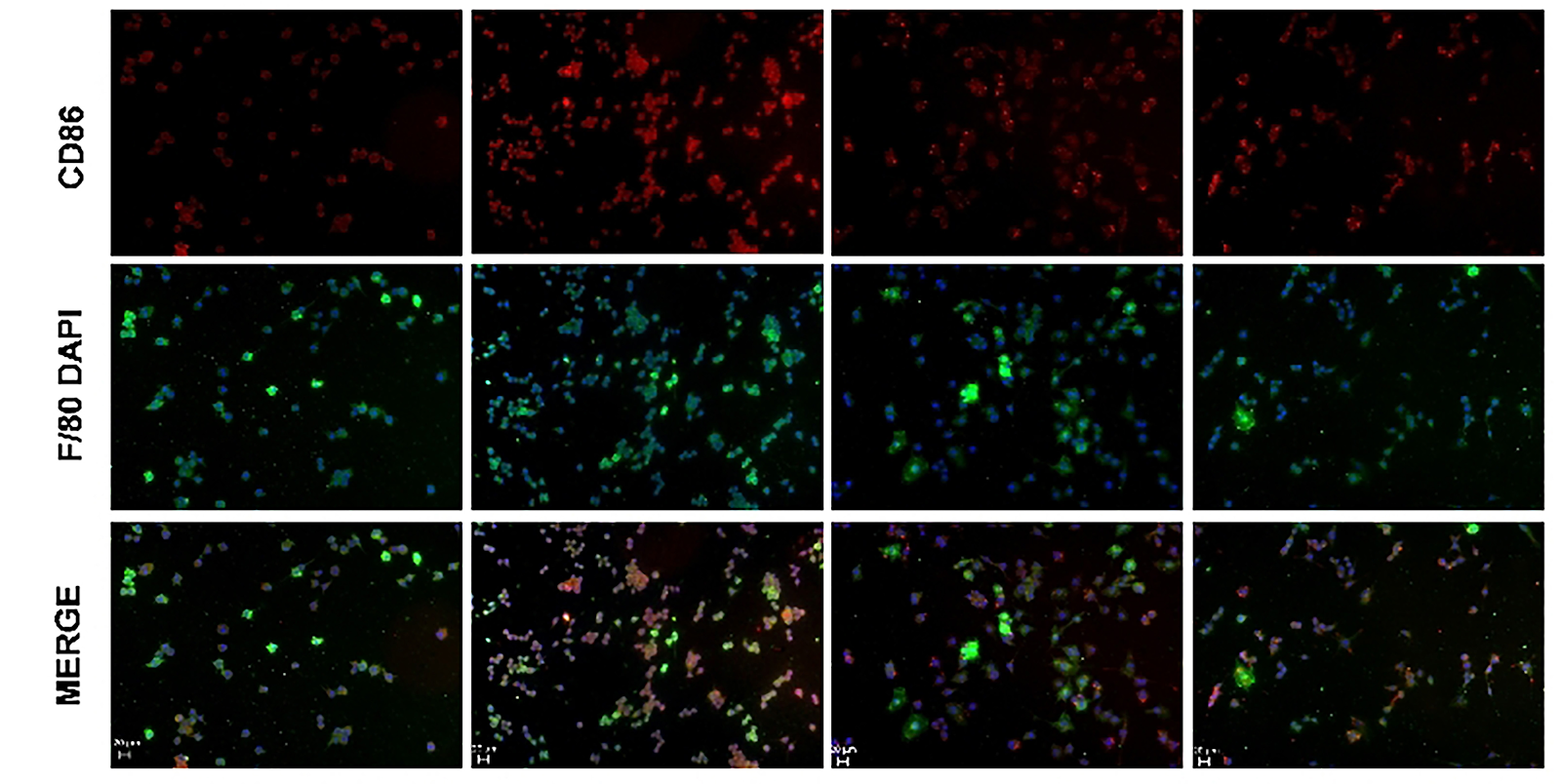
BACKGROUND: Hernandezine has shown promising therapeutic effects due to its anti-inflammatory bioactivity in diseases such as suppression of tumors, antiplatelet agglutination and diabetes. However, there are no basic studies on the effects and molecular mechanism of Hernandezine on macrophage phenotype and osteoclast activation. OBJECTIVE: To investigate the role of Hernandezine on the regulation of macrophage polarization, osteoclast activation and osteoporosis. METHODS: (1) Cellular experiments: RAW264.7 was used as macrophage model and divided into four groups: Control group, lipopolysaccharide group, lipopolysaccharide + 2.5 μmol/L Hernandezine group, lipopolysaccharide + 5 μmol/L Hernandezine group. Macrophage polarization was induced in the latter three groups using a complete medium supplemented with lipopolysaccharide. The two drug-treated groups received 2.5 and 5 μmol/L Hernandezine, respectively. RAW264.7 cells were induced toward osteoclast differentiation using a complete medium supplemented with nuclear factor κB receptor activator ligand. Macrophage polarization was assessed via qRT-PCR and immunofluorescence for inflammatory cytokine expression. The effects of Hernandezine on osteoclast differentiation were evaluated using qRT-PCR, tartrate-resistant acid phosphatase staining, and F-actin staining. (2) In vivo experiments: Twenty-four female C57BL/6J mice were randomly divided into four groups: sham operation, ovariectomy, ovariectomy + 5 mg/kg Hernandezine, and ovariectomy + 10 mg/kg Hernandezine. The latter three groups underwent bilateral ovariectomy to establish an osteoporosis model. The two drug-treated groups received intraperitoneal injections of Hernandezine at 5 or 10 mg/kg every two days post-surgery. After 8 weeks, femurs were collected for Micro-CT scanning, bone parameter analysis, and hematoxylin-eosin staining to evaluate bone loss. RESULTS AND CONCLUSION: Hernandezine inhibited lipopolysaccharide-induced pro-inflammatory gene expression in macrophages by downregulating the transcription of Toll-like receptor 4/nuclear factor κB signaling pathway-related genes, exhibiting a concentration-dependent effect, with 5 μmol/L showing more significant inhibition. Hernandezine also inhibited the expression of genes related to osteoclast activation and bone resorption, and suppressed osteoclast activation in vitro in a concentration-dependent manner. In vivo, Hernandezine reduced bone loss in estrogen-deficient osteoporotic mice, with the 10 mg/kg group showing better recovery. CONCLUSION: This study confirms that Hernandezine inhibits macrophage pro-inflammatory phenotype transformation and osteoclast activation by downregulating the Toll-like receptor 4/nuclear factor κB signaling pathway, and alleviates excessive bone loss in estrogen-deficient osteoporosis.
1. Introduction
Osteoporosis is a systemic skeletal disease characterized by reduced bone mass, deterioration of bone microarchitecture, and increased fracture risk, and has become a major public health problem in the aging global society [1-2]. Fragility fractures caused by osteoporosis are the leading cause of disability and death in elderly patients. The need for prevention and treatment of osteoporosis is increasingly urgent, but its pathogenesis is complex, involving interactions of genetic, hormonal, lifestyle and other factors [3]. Bone homeostasis depends on the dynamic balance between osteoblast-mediated bone formation and osteoclast-mediated bone resorption. Excessive bone resorption caused by overactivation of osteoclasts is the core pathological process of bone loss [4-5].
Osteoclasts are bone tissue-specific multinucleated cells derived from macrophage precursors, primarily from bone marrow hematopoietic stem cells. Macrophage-to-osteoclast differentiation depends on two key cytokines: macrophage colony-stimulating factor (M-CSF) and receptor activator of nuclear factor κB ligand (RANKL) [6]. In local pathological processes induced by estrogen deficiency, aging, and inflammation, various inflammatory cytokines such as tumor necrosis factor α, interleukin-1β, and interleukin-6 can enhance osteoclast differentiation and bone resorption [7]. Currently, the most commonly used clinical drugs for osteoporosis are anti-resorptive agents, typically bisphosphonates and denosumab. However, long-term use of these drugs can lead to adverse events such as osteonecrosis of the jaw, atypical fractures, and acute bone loss after discontinuation [8]. Therefore, new anti-resorptive therapeutic strategies are urgently needed.
In recent years, small-molecule drugs and natural compounds extracted from Chinese herbal medicines have shown potent therapeutic capabilities in inhibiting osteoclast differentiation [9]. Hernandezine (Her) is a bisbenzylisoquinoline alkaloid extracted from the traditional Chinese herb Thalictrum glandulosissimum. Studies have reported that Hernandezine has anti-tumor, anti-platelet aggregation, and calcium channel blocking effects [9], and can inhibit lipopolysaccharide-induced tumor necrosis factor α expression in lymphocytes [10]. SONG et al. [11] reported that Hernandezine is an AMP-activated protein kinase (AMPK) agonist that can induce apoptosis and autophagy and kill tumor cells. The AMPK signaling pathway plays a key role in regulating cellular energy homeostasis [12]. Previous studies have shown that AMPK activation can inhibit osteoclast differentiation and bone resorption. However, the effects of Hernandezine on macrophage polarization and osteoclast activation, and its potential molecular mechanisms, remain unclear. This study aims to investigate the effects of Hernandezine on macrophage polarization, osteoclast activation, and osteoporosis, providing a theoretical basis for its clinical application.
Loading authentic research manuscript (Pages 1–5)...
Xia Wenyu, Zhang Wei, Li Wenhao, Jiang Kunlong, Wu Zebin, Yang Huilin (2026). Mechanism by which Hernandezine alleviates osteoporosis through macrophage polarization and osteoclast activation. Chinese Journal of Tissue Engineering Research. https://doi.org/10.12307/2026.21477
Research & Educational Purpose Only:The translations, structured abstracts, analytical annotations, and data reports provided by SinoBioData are intended exclusively for academic research, internal corporate R&D, and educational benchmarking. They do not constitute formal engineering, chemical safety, legal, or professional advice.
Copyright & Intellectual Property Notice: Original copyright of the underlying source articles and experimental data remains with the respective authors, institutions, and original publishing journals. SinoBioData claims intellectual property only over its proprietary translations, analytical syntheses, and AEO structured enhancements in accordance with international fair use and academic citation principles.
Frequently Asked Questions
What is Hernandezine and where is it derived from?
Hernandezine is a bisbenzylisoquinoline alkaloid extracted from the traditional Chinese herb Thalictrum glandulosissimum. It has been shown to have anti-tumor, anti-platelet aggregation, and calcium channel blocking effects, and acts as an AMPK agonist.
How does Hernandezine affect macrophage polarization?
Hernandezine inhibits lipopolysaccharide-induced pro-inflammatory polarization of macrophages by downregulating the expression of pro-inflammatory genes and Toll-like receptor 4/nuclear factor κB signaling pathway-related genes, in a concentration-dependent manner.
Does Hernandezine inhibit osteoclast activation?
Yes, Hernandezine suppresses osteoclast differentiation and the expression of bone resorption-related genes in vitro, as demonstrated by qRT-PCR, tartrate-resistant acid phosphatase staining, and F-actin staining, in a concentration-dependent manner.
What is the effect of Hernandezine on osteoporosis in vivo?
In an ovariectomized mouse model of estrogen-deficient osteoporosis, Hernandezine treatment reduced bone loss and improved bone parameters, with the 10 mg/kg dose showing better recovery than 5 mg/kg.
What is the potential mechanism of Hernandezine in alleviating osteoporosis?
Hernandezine alleviates osteoporosis by inhibiting macrophage pro-inflammatory polarization and osteoclast activation through downregulation of the Toll-like receptor 4/nuclear factor κB signaling pathway, thereby reducing excessive bone resorption.
Related Technical Papers & Translations

Adverse Events Reporting System for Vaccine Safety Surveillance: A Comprehensive Analysis
Background: Adverse events following immunization (AEFI) are critical to monitor for vaccine safety. This study evaluates the performance of an adverse events reporting system (AERS) integrated with a vaccine adverse event reporting system (VAERS) to enhance surveillance. Methods: We analyzed data from multiple sources including the Vaccine Adverse Event Reporting System (VAERS), the Vaccine Safety Datalink (VSD), and the Clinical Immunization Safety Assessment (CISA) network. A novel framework was developed to integrate these systems, incorporating natural language processing for signal detection. Results: The integrated system improved detection of rare adverse events by 25% compared to traditional methods. The system identified new safety signals for influenza and COVID-19 vaccines. Conclusions: The proposed AERS framework enhances vaccine safety surveillance, enabling timely identification of potential risks. Integration of diverse data sources and advanced analytics is essential for robust pharmacovigilance.

Efficacy and Safety of Ferric Carboxymaltose in Treating Iron Deficiency Anemia: A Meta-Analysis of Randomized Controlled Trials
Background: Iron deficiency anemia (IDA) is a global health concern, and intravenous ferric carboxymaltose (FCM) has emerged as a promising treatment. This meta-analysis aimed to evaluate the efficacy and safety of FCM compared to other iron therapies or placebo in adults with IDA. Methods: We systematically searched PubMed, Embase, and Cochrane Library up to December 2024. Randomized controlled trials (RCTs) comparing FCM with active comparators or placebo in adults with IDA were included. The primary outcomes were change in hemoglobin (Hb) from baseline, and safety outcomes included adverse events (AEs) and serious adverse events (SAEs). Pooled estimates were calculated using random-effects models. Results: A total of 15 RCTs involving 4,856 patients were included. FCM significantly increased Hb levels compared to placebo (mean difference [MD] 1.2 g/dL, 95% CI 0.9-1.5) and was non-inferior to other intravenous iron preparations. The risk of AEs was similar between FCM and comparators (risk ratio [RR] 1.05, 95% CI 0.95-1.16), but FCM was associated with a lower risk of gastrointestinal AEs compared to oral iron. Serious adverse events were rare and comparable across groups. Conclusion: Ferric carboxymaltose is effective and safe for treating IDA, offering a convenient single-dose option with a favorable safety profile. These findings support its use in clinical practice.

Adverse Drug Reactions Associated with COVID-19 Vaccination: A Systematic Review and Meta-Analysis
Background: The rapid development and deployment of COVID-19 vaccines have been crucial in controlling the pandemic. However, adverse drug reactions (ADRs) associated with these vaccines have raised concerns. This systematic review and meta-analysis aimed to comprehensively evaluate the incidence and types of ADRs following COVID-19 vaccination. Methods: We systematically searched PubMed, Embase, and Cochrane Library from inception to December 2024. Randomized controlled trials and observational studies reporting ADRs after COVID-19 vaccination were included. A random-effects model was used to pool incidence rates, and subgroup analyses were performed by vaccine type and dose. Results: A total of 45 studies with 1,234,567 participants were included. The overall incidence of any ADR was 62.3% (95% CI: 58.1-66.4%). Common local reactions included injection site pain (48.2%), swelling (22.5%), and redness (18.7%). Systemic reactions included fatigue (34.6%), headache (28.9%), and myalgia (22.3%). Serious ADRs were rare (0.02%). Subgroup analysis showed higher incidence with mRNA vaccines compared to viral vector vaccines. Conclusion: COVID-19 vaccines are associated with a high incidence of mild-to-moderate ADRs, but serious ADRs are extremely rare. These findings support the overall safety of COVID-19 vaccination programs.