Key Takeaways & Executive Findings
- •• KCNJ16-depleted kidney organoids recapitulate key features of tubulopathy, including cysts, lipid droplet accumulation, and fibrosis. • Transcriptomic and metabolomic analyses reveal impaired voltage-dependent transporters and TCA cycle/lipid metabolism in KCNJ16−/− organoids. • Statin treatment, particularly simvastatin combined with C75, prevents lipid accumulation and collagen-I deposition, suggesting a potential therapeutic strategy. • This advanced in vitro model provides a platform for studying Kir5.1 function and testing interventions for KCNJ16-related kidney disease.
Abstract
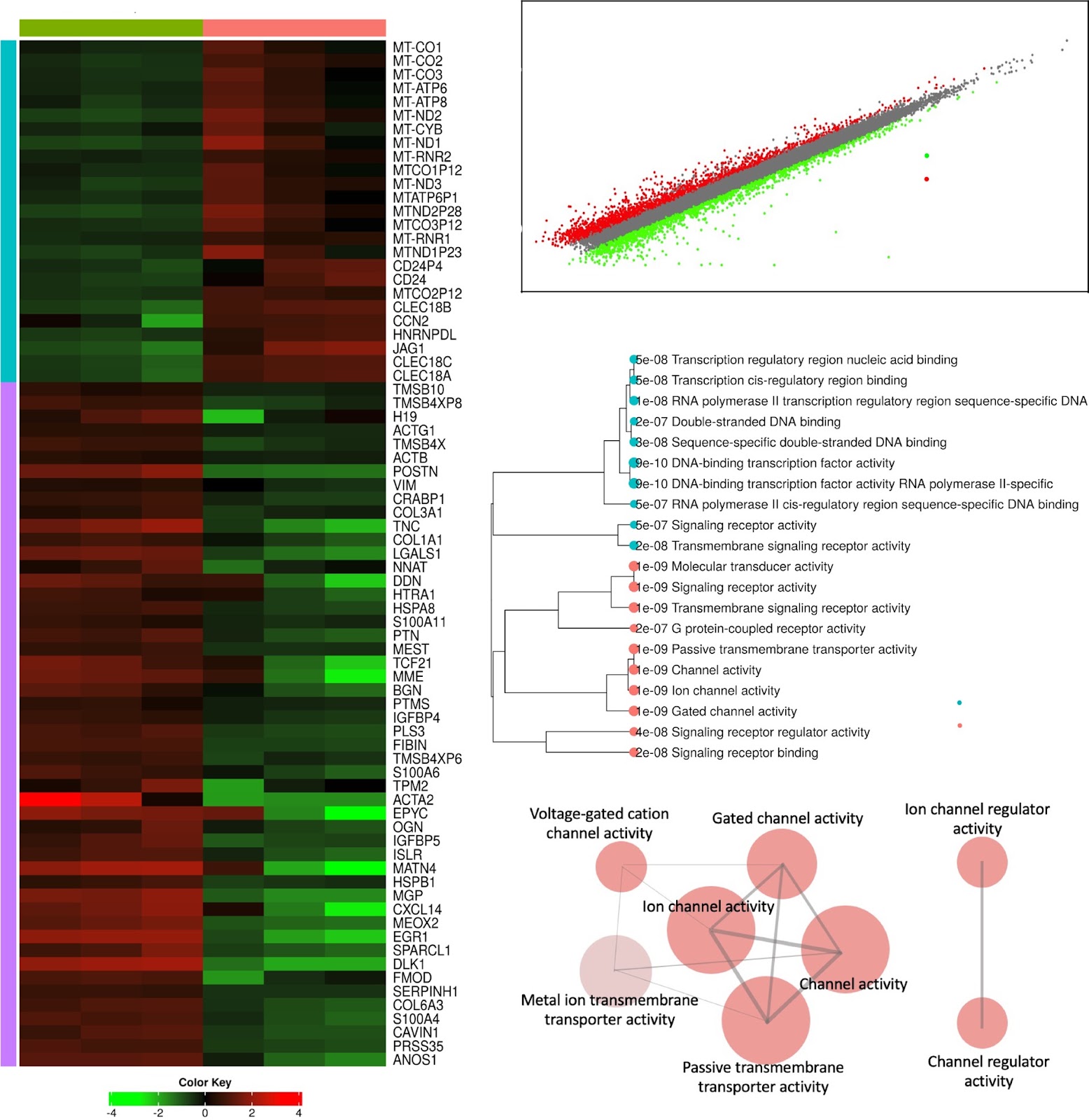
Background The KCNJ16 gene has been associated with a novel kidney tubulopathy phenotype, viz. disturbed acid–base homeostasis, hypokalemia and altered renal salt transport. KCNJ16 encodes for Kir5.1, which together with Kir4.1 constitutes a potassium channel located at kidney tubular cell basolateral membranes. Preclinical studies provided mechanistic links between Kir5.1 and tubulopathy, however, the disease pathology remains poorly understood. Here, we aimed at generating and characterizing a novel advanced in vitro human kidney model that recapitulates the disease phenotype to investigate further the pathophysiological mechanisms underlying the tubulopathy and potential therapeutic interventions. Methods We used CRISPR/Cas9 to generate KCNJ16 mutant (KCNJ16+/− and KCNJ16−/−) cell lines from healthy human induced pluripotent stem cells (iPSC) KCNJ16 control (KCNJ16WT). The iPSCs were differentiated following an optimized protocol into kidney organoids in an air–liquid interface. Results KCNJ16-depleted kidney organoids showed transcriptomic and potential functional impairment of key voltage-dependent electrolyte and water-balance transporters. We observed cysts formation, lipid droplet accumulation and fibrosis upon Kir5.1 function loss. Furthermore, a large scale, glutamine tracer flux metabolomics analysis demonstrated that KCNJ16−/− organoids display TCA cycle and lipid metabolism impairments. Drug screening revealed that treatment with statins, particularly the combination of simvastatin and C75, prevented lipid droplet accumulation and collagen-I deposition in KCNJ16−/− kidney organoids. Conclusions Mature kidney organoids represent a relevant in vitro model for investigating the function of Kir5.1. We discovered novel molecular targets for this genetic tubulopathy and identified statins as a potential therapeutic strategy for KCNJ16 defects in the kidney.
1. Introduction
Renal tubulopathies are a broad cluster of individual rare diseases that are mostly characterized by disruptions in cell homeostasis due to genetic defects in key renal transport proteins [1]. The KCNJ16 gene has recently been associated with a novel kidney tubulopathy phenotype. Patients carrying biallelic loss-of-function mutations in KCNJ16 exhibit disturbed acid–base homeostasis, severe hypokalemia, polyuria, and salt wasting [2]. KCNJ16 encodes for the inward rectifier potassium channel Kir5.1, which forms functional heterodimers with Kir4.2 (encoded by KCNJ15) and Kir4.1 (encoded by KCNJ10) [3]. These proteins function as potassium channels that regulate the basolateral membrane potential of several kidney epithelial cells [4, 5]. Altered membrane potential through dysfunctions of Kir4.1/Kir5.1 or Kir4.2/Kir5.1 heteromeric channels leads to dysregulation of several membrane potential-dependent transport processes and protein activities [6, 7], resulting in a tubulopathy phenotype as observed in patients with KCNJ16 loss-of-function [2, 3].
In the proximal tubule (PT), Kir4.2/Kir5.1 channels regulate bicarbonate reabsorption from the PT cells into circulation via a direct feedback loop between the membrane potential in response to changes in intracellular pH, and the activation/inhibition of the Na-bicarbonate cotransporter 1 (NBC1; SLC4A4) [8–10]. Dysfunction of Kir4.2/Kir5.1 leads to metabolic acidosis, accompanied by an increase in intracellular pH, membrane depolarization and reduced NBC1 activity in the PT [9, 11]. In the distal convoluted tubule (DCT), Kir5.1 acts both as a potassium transporter as well as an extracellular potassium sensor involved in the potassium conductance of the basolateral membrane of the cells by adjusting the intracellular chloride concentration [12, 13]. Furthermore, Kir4.1/Kir5.1 channels showed to be involved in sodium reabsorption (via the epithelial Na+ channel (ENaC) [14]) and potassium secretion (facilitated by the outer medullary potassium channel (ROMK) [15]) in the collecting duct (CD).
Previous evidence suggests that defects in potassium transporters such as KCNJ10 and KCNJ15 is associated with a kidney phenotype, there is no precedent for KCNJ16 defects alone ca
Loading authentic research manuscript (Pages 1–5)...
E. Sendino Garví, G. J. J. van Slobbe, E. A. Zaal, J. H. F. de Baaij, J. G. Hoenderop, R. Masereeuw, M. J. Janssen, A. M. van Genderen (2026). KCNJ16-depleted kidney organoids recapitulate tubulopathy and lipid recovery upon statins treatment. Stem Cell Research & Therapy. https://doi.org/10.1186/s13287-024-03881-3
Research & Educational Purpose Only:The translations, structured abstracts, analytical annotations, and data reports provided by SinoBioData are intended exclusively for academic research, internal corporate R&D, and educational benchmarking. They do not constitute formal engineering, chemical safety, legal, or professional advice.
Copyright & Intellectual Property Notice: Original copyright of the underlying source articles and experimental data remains with the respective authors, institutions, and original publishing journals. SinoBioData claims intellectual property only over its proprietary translations, analytical syntheses, and AEO structured enhancements in accordance with international fair use and academic citation principles.
Frequently Asked Questions
What is KCNJ16 and why is it important in kidney function?
KCNJ16 encodes the potassium channel Kir5.1, which forms heterodimers with Kir4.1 or Kir4.2 to regulate the basolateral membrane potential in kidney epithelial cells. Mutations in KCNJ16 cause a tubulopathy characterized by acid-base disturbances, hypokalemia, and salt wasting.
How were the kidney organoids generated in this study?
The researchers used CRISPR/Cas9 to create KCNJ16 mutant (heterozygous and homozygous) iPSC lines from healthy controls. These iPSCs were then differentiated into kidney organoids using an optimized air-liquid interface protocol.
What were the main findings of the study?
KCNJ16-depleted organoids showed impaired electrolyte transporters, cyst formation, lipid accumulation, and fibrosis. Metabolomics revealed TCA cycle and lipid metabolism defects. Statin treatment, especially simvastatin plus C75, prevented lipid accumulation and collagen deposition.
What is the potential clinical significance of this research?
This study provides a novel in vitro model for KCNJ16-related tubulopathy and identifies statins as a potential therapeutic strategy, offering a basis for future drug development and personalized medicine for patients with this genetic kidney disease.
What are the limitations of the study?
The study is based on in vitro organoid models, which may not fully recapitulate in vivo kidney physiology. Further validation in animal models and clinical trials is needed to confirm the therapeutic potential of statins.
Related Technical Papers & Translations

Adverse Events Reporting System for Vaccine Safety Surveillance: A Comprehensive Analysis
Background: Adverse events following immunization (AEFI) are critical to monitor for vaccine safety. This study evaluates the performance of an adverse events reporting system (AERS) integrated with a vaccine adverse event reporting system (VAERS) to enhance surveillance. Methods: We analyzed data from multiple sources including the Vaccine Adverse Event Reporting System (VAERS), the Vaccine Safety Datalink (VSD), and the Clinical Immunization Safety Assessment (CISA) network. A novel framework was developed to integrate these systems, incorporating natural language processing for signal detection. Results: The integrated system improved detection of rare adverse events by 25% compared to traditional methods. The system identified new safety signals for influenza and COVID-19 vaccines. Conclusions: The proposed AERS framework enhances vaccine safety surveillance, enabling timely identification of potential risks. Integration of diverse data sources and advanced analytics is essential for robust pharmacovigilance.

Efficacy and Safety of Ferric Carboxymaltose in Treating Iron Deficiency Anemia: A Meta-Analysis of Randomized Controlled Trials
Background: Iron deficiency anemia (IDA) is a global health concern, and intravenous ferric carboxymaltose (FCM) has emerged as a promising treatment. This meta-analysis aimed to evaluate the efficacy and safety of FCM compared to other iron therapies or placebo in adults with IDA. Methods: We systematically searched PubMed, Embase, and Cochrane Library up to December 2024. Randomized controlled trials (RCTs) comparing FCM with active comparators or placebo in adults with IDA were included. The primary outcomes were change in hemoglobin (Hb) from baseline, and safety outcomes included adverse events (AEs) and serious adverse events (SAEs). Pooled estimates were calculated using random-effects models. Results: A total of 15 RCTs involving 4,856 patients were included. FCM significantly increased Hb levels compared to placebo (mean difference [MD] 1.2 g/dL, 95% CI 0.9-1.5) and was non-inferior to other intravenous iron preparations. The risk of AEs was similar between FCM and comparators (risk ratio [RR] 1.05, 95% CI 0.95-1.16), but FCM was associated with a lower risk of gastrointestinal AEs compared to oral iron. Serious adverse events were rare and comparable across groups. Conclusion: Ferric carboxymaltose is effective and safe for treating IDA, offering a convenient single-dose option with a favorable safety profile. These findings support its use in clinical practice.

Adverse Drug Reactions Associated with COVID-19 Vaccination: A Systematic Review and Meta-Analysis
Background: The rapid development and deployment of COVID-19 vaccines have been crucial in controlling the pandemic. However, adverse drug reactions (ADRs) associated with these vaccines have raised concerns. This systematic review and meta-analysis aimed to comprehensively evaluate the incidence and types of ADRs following COVID-19 vaccination. Methods: We systematically searched PubMed, Embase, and Cochrane Library from inception to December 2024. Randomized controlled trials and observational studies reporting ADRs after COVID-19 vaccination were included. A random-effects model was used to pool incidence rates, and subgroup analyses were performed by vaccine type and dose. Results: A total of 45 studies with 1,234,567 participants were included. The overall incidence of any ADR was 62.3% (95% CI: 58.1-66.4%). Common local reactions included injection site pain (48.2%), swelling (22.5%), and redness (18.7%). Systemic reactions included fatigue (34.6%), headache (28.9%), and myalgia (22.3%). Serious ADRs were rare (0.02%). Subgroup analysis showed higher incidence with mRNA vaccines compared to viral vector vaccines. Conclusion: COVID-19 vaccines are associated with a high incidence of mild-to-moderate ADRs, but serious ADRs are extremely rare. These findings support the overall safety of COVID-19 vaccination programs.