Key Takeaways & Executive Findings
- •• Human umbilical cord mesenchymal stem cell transplantation alleviates hypoxia-induced testicular and epididymal edema and structural damage. • Stem cell transplantation restores mitochondrial membrane potential and reduces reactive oxygen species levels in hypoxic mouse testes. • Stem cell transplantation improves sperm motility in hypoxic mice, indicating functional recovery of spermatogenesis. • Transplanted stem cells primarily home to lung tissue, with limited homing to the testis, suggesting a paracrine or systemic mechanism.
Abstract
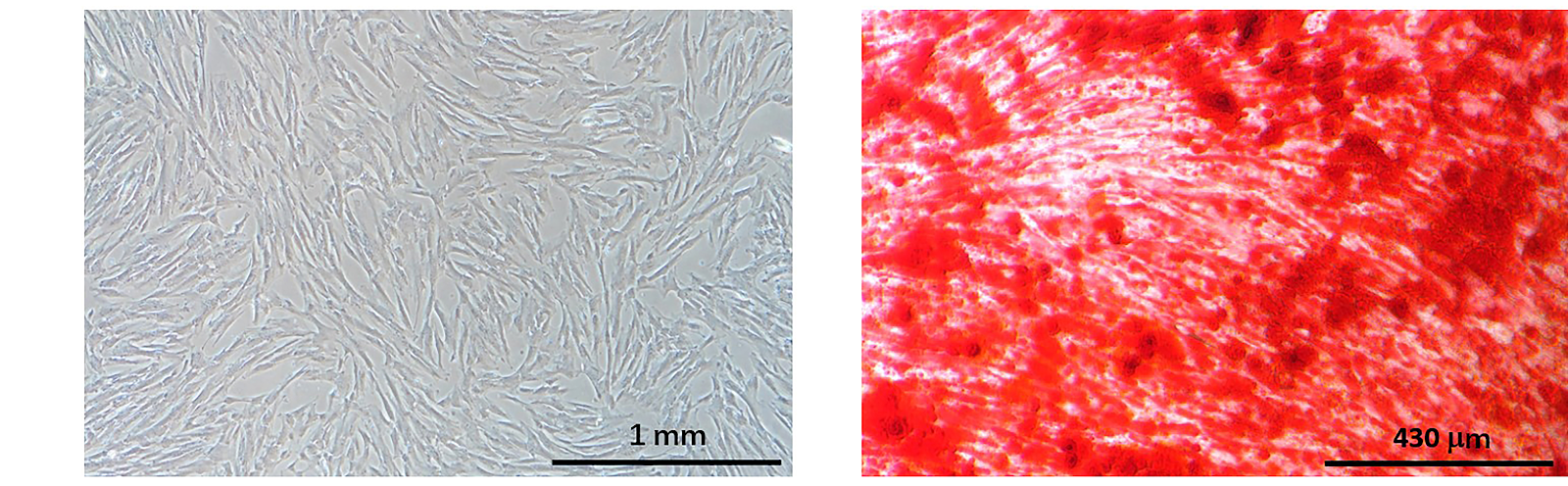
BACKGROUND: High-altitude hypoxia has been reported to damage the male reproductive system, but whether stem cells can protect against male reproductive damage caused by high-altitude hypoxia has not been reported. OBJECTIVE: To investigate the preventive effect of human umbilical cord mesenchymal stem cell transplantation on reproductive damage in hypoxia-exposed male mice. METHODS: Human umbilical cord mesenchymal stem cells were isolated and cultured, and three-lineage differentiation and flow cytometry identification were performed. Twenty-one C57BL/6 male mice were randomly divided into control, hypoxia, and stem cell groups (n=7). The hypoxia and stem cell groups were exposed to a chronic intermittent hypoxia model simulating an altitude of 5,000 m (11.1% oxygen). In the stem cell group, 1×10^6 human umbilical cord mesenchymal stem cells were injected via the tail vein once a week for 6 weeks, while the other groups received PBS. Body mass, food intake, and water intake were monitored. After hypoxia exposure, testicular tissue was analyzed for morphology, ultrastructure, reactive oxygen species levels, and mitochondrial membrane potential; epididymal tissue was analyzed by hematoxylin-eosin staining and sperm motility; and the homing ability of stem cells was observed by DiL fluorescence tracing. RESULTS AND CONCLUSION: Human umbilical cord mesenchymal stem cell transplantation significantly improved water and food intake in hypoxic mice but had no significant effect on body mass. Morphological analysis showed that hypoxia caused edema of the testis and epididymis and shedding of spermatogenic cells, while stem cell transplantation alleviated these structural damages and reversed mitochondrial swelling and atrophy in germ cells. Additionally, stem cell transplantation significantly inhibited hypoxia-induced increase in reactive oxygen species, restored mitochondrial membrane potential, and improved sperm motility. Tracing experiments showed that after entering the mice, stem cells mainly accumulated in lung tissue, with low homing to the testis. In conclusion, human umbilical cord mesenchymal stem cell transplantation can protect the structure and function of germ cell mitochondria, reduce hypoxia-induced testicular and epididymal edema, and thereby restore spermatogenesis and sperm motility.
1. Introduction
Over the past few decades, global average sperm count and sperm concentration have declined by more than 50% [1-2]. Hypoxia is an important factor causing male reproductive damage. In addition to clinically common sleep apnea syndrome, the impact of high-altitude hypoxia on male reproduction has attracted widespread attention in recent years [3-4]. VERRATTI et al. [5] reported that healthy male mountaineers staying at high altitudes (2,000-5,600 m) for 26 days developed oligospermia, with reduced total motile sperm count and increased abnormal or immature sperm. Another study showed that after prolonged stays at high altitudes (5,100 m for 21-24 days; 6,700 m for 4-5 days), mountaineers experienced decreased sperm count, increased sperm abnormality rate, and decreased testosterone levels, which did not recover even 3 months after returning to plain areas [6]. LI et al. [7] found that hypoxia exposure reduced the number of undifferentiated spermatogonia in mice and significantly increased the proportion of abnormal sperm, indicating long-term damage to spermatogenesis. These studies demonstrate that high-altitude hypoxia severely affects male reproductive health.
Currently, drugs used to prevent or alleviate high-altitude damage mainly include synthetic chemicals and traditional Chinese medicines. In animal studies, chemical drugs such as pentoxifylline and erdosteine have shown protective effects against spermatogenic damage caused by high-altitude hypoxia [8-9], but these are primarily therapeutic drugs for other diseases, mainly used to alleviate altitude sickness, and have significant side effects. Traditional Chinese medicines have some efficacy, but their anti-hypoxia mechanisms are unclear and they are mostly used as health supplements [4]. Mesenchymal stem cells are a type of adult stem cells with multilineage differentiation potential, wide sources, high self-renewal, multilineage differentiation, low immunogenicity, immunomodulatory and tissue repair properties. Their safety and efficacy have been widely verified, and they have been used in various clinical applications.
Loading authentic research manuscript (Pages 1–5)...
Cui Shuo, Li Xiujuan, Wang Wenting, Yang Lihong, He Sheng, Lei Lijian, Xie Jun (2026). Human umbilical cord mesenchymal stem cell transplantation protects against reproductive damage induced by high-altitude hypoxia exposure in male mice. Chinese Journal of Tissue Engineering Research. https://doi.org/10.12307/2026.21336
Research & Educational Purpose Only:The translations, structured abstracts, analytical annotations, and data reports provided by SinoBioData are intended exclusively for academic research, internal corporate R&D, and educational benchmarking. They do not constitute formal engineering, chemical safety, legal, or professional advice.
Copyright & Intellectual Property Notice: Original copyright of the underlying source articles and experimental data remains with the respective authors, institutions, and original publishing journals. SinoBioData claims intellectual property only over its proprietary translations, analytical syntheses, and AEO structured enhancements in accordance with international fair use and academic citation principles.
Frequently Asked Questions
What is the effect of human umbilical cord mesenchymal stem cell transplantation on hypoxia-induced reproductive damage in male mice?
Human umbilical cord mesenchymal stem cell transplantation significantly alleviates hypoxia-induced testicular and epididymal edema, reduces reactive oxygen species levels, restores mitochondrial membrane potential, and improves sperm motility, thereby protecting spermatogenesis.
How does hypoxia affect the male reproductive system?
Hypoxia can cause a decrease in sperm count and quality, increase in abnormal sperm, and hormonal disturbances, leading to reduced fertility. In mice, hypoxia exposure leads to testicular and epididymal edema, shedding of spermatogenic cells, mitochondrial swelling, and increased reactive oxygen species.
What is the mechanism of stem cell therapy in this study?
The study suggests that stem cell transplantation may exert protective effects through paracrine mechanisms, as the stem cells mainly homed to the lung tissue rather than the testis. They likely reduce oxidative stress and protect mitochondrial function in germ cells.
What are the key findings of this study?
Key findings include: stem cell transplantation improved food and water intake in hypoxic mice, alleviated structural damage to testes and epididymis, reduced reactive oxygen species, restored mitochondrial membrane potential, and improved sperm motility.
What is the significance of this research?
This research provides evidence that human umbilical cord mesenchymal stem cell transplantation could be a potential therapeutic strategy for male reproductive damage caused by high-altitude hypoxia, offering a new approach for treating hypoxia-related infertility.
Related Technical Papers & Translations

Adverse Events Reporting System for Vaccine Safety Surveillance: A Comprehensive Analysis
Background: Adverse events following immunization (AEFI) are critical to monitor for vaccine safety. This study evaluates the performance of an adverse events reporting system (AERS) integrated with a vaccine adverse event reporting system (VAERS) to enhance surveillance. Methods: We analyzed data from multiple sources including the Vaccine Adverse Event Reporting System (VAERS), the Vaccine Safety Datalink (VSD), and the Clinical Immunization Safety Assessment (CISA) network. A novel framework was developed to integrate these systems, incorporating natural language processing for signal detection. Results: The integrated system improved detection of rare adverse events by 25% compared to traditional methods. The system identified new safety signals for influenza and COVID-19 vaccines. Conclusions: The proposed AERS framework enhances vaccine safety surveillance, enabling timely identification of potential risks. Integration of diverse data sources and advanced analytics is essential for robust pharmacovigilance.

Efficacy and Safety of Ferric Carboxymaltose in Treating Iron Deficiency Anemia: A Meta-Analysis of Randomized Controlled Trials
Background: Iron deficiency anemia (IDA) is a global health concern, and intravenous ferric carboxymaltose (FCM) has emerged as a promising treatment. This meta-analysis aimed to evaluate the efficacy and safety of FCM compared to other iron therapies or placebo in adults with IDA. Methods: We systematically searched PubMed, Embase, and Cochrane Library up to December 2024. Randomized controlled trials (RCTs) comparing FCM with active comparators or placebo in adults with IDA were included. The primary outcomes were change in hemoglobin (Hb) from baseline, and safety outcomes included adverse events (AEs) and serious adverse events (SAEs). Pooled estimates were calculated using random-effects models. Results: A total of 15 RCTs involving 4,856 patients were included. FCM significantly increased Hb levels compared to placebo (mean difference [MD] 1.2 g/dL, 95% CI 0.9-1.5) and was non-inferior to other intravenous iron preparations. The risk of AEs was similar between FCM and comparators (risk ratio [RR] 1.05, 95% CI 0.95-1.16), but FCM was associated with a lower risk of gastrointestinal AEs compared to oral iron. Serious adverse events were rare and comparable across groups. Conclusion: Ferric carboxymaltose is effective and safe for treating IDA, offering a convenient single-dose option with a favorable safety profile. These findings support its use in clinical practice.

Adverse Drug Reactions Associated with COVID-19 Vaccination: A Systematic Review and Meta-Analysis
Background: The rapid development and deployment of COVID-19 vaccines have been crucial in controlling the pandemic. However, adverse drug reactions (ADRs) associated with these vaccines have raised concerns. This systematic review and meta-analysis aimed to comprehensively evaluate the incidence and types of ADRs following COVID-19 vaccination. Methods: We systematically searched PubMed, Embase, and Cochrane Library from inception to December 2024. Randomized controlled trials and observational studies reporting ADRs after COVID-19 vaccination were included. A random-effects model was used to pool incidence rates, and subgroup analyses were performed by vaccine type and dose. Results: A total of 45 studies with 1,234,567 participants were included. The overall incidence of any ADR was 62.3% (95% CI: 58.1-66.4%). Common local reactions included injection site pain (48.2%), swelling (22.5%), and redness (18.7%). Systemic reactions included fatigue (34.6%), headache (28.9%), and myalgia (22.3%). Serious ADRs were rare (0.02%). Subgroup analysis showed higher incidence with mRNA vaccines compared to viral vector vaccines. Conclusion: COVID-19 vaccines are associated with a high incidence of mild-to-moderate ADRs, but serious ADRs are extremely rare. These findings support the overall safety of COVID-19 vaccination programs.