Key Takeaways & Executive Findings
- •• Actual anterior intrusion with clear aligners is significantly less than designed, necessitating overcorrection. • Non-extraction cases show higher intrusion efficiency (50.69%) than extraction cases (39.73%). • Lower anterior teeth intrude more efficiently than upper anterior teeth. • Extraction of second premolars yields better anterior vertical control than first premolars.
Abstract
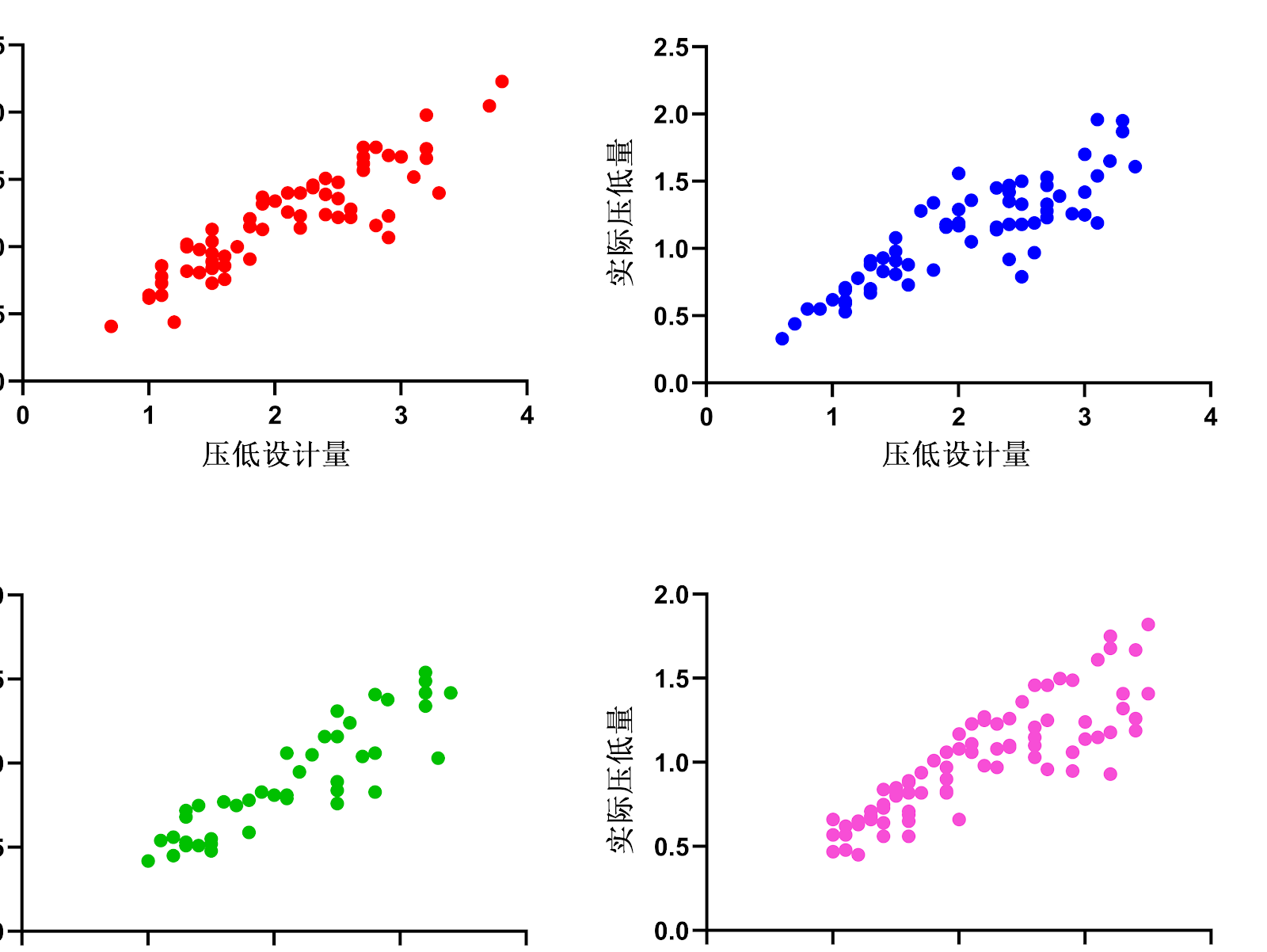
BACKGROUND: Anterior tooth intrusion is commonly used in the deep overbite cases with clear aligners. However, the intrusion efficiency varies significantly among different cases. OBJECTIVE: To analyze and compare the intrusion efficiency of the anterior teeth with clear aligners by the indirect model superimposition method based on the occlusal records. METHODS: Forty-three patients with anterior deep overbite were selected as the subjects of this study and divided into the non-extraction and extraction groups. The non-extraction group was then divided into the alignment and maxillary molar distalization subgroups. The extraction group was subdivided into the first premolar extraction and second premolar extraction subgroups. In the Geomagic 2014 software, the occlusal plane inclinations of the pre- and post-treatment models were calibrated based on the angle between the Frankfort plane and occlusal plane. The maxillary and mandibular models were superimposed by the maxillary palatine folds and occlusal records. Based on the Frankfort plane, the measurement coordinate system was established to measure the actual intrusion amount. The relative intrusion amount in the ClinCheck plan was recorded as the designed intrusion amount. Correlation and linear regression analyses were performed between the designed and actual intrusion amounts. RESULTS AND CONCLUSION: (1) The actual intrusion amount of anterior teeth in both non-extraction and extraction groups was significantly less than the designed amount (P < 0.01), indicating that overcorrection should be designed when intruding anterior teeth with clear aligners. (2) The anterior intrusion efficiency in the non-extraction group (50.69%) was significantly higher than that in the extraction group (39.73%) (P < 0.01), suggesting that more overcorrection should be designed in extraction cases. (3) The intrusion efficiency of lower anterior teeth was significantly higher than that of upper anterior teeth (P < 0.01), so more overcorrection should be designed for upper anterior teeth. (4) There was no significant difference in anterior intrusion efficiency between the maxillary molar distalization subgroup and the simple alignment subgroup (P > 0.05). (5) The anterior intrusion efficiency in the second premolar extraction subgroup was significantly higher than that in the first premolar extraction subgroup (P < 0.01), indicating that extraction of the second premolar is more favorable for vertical control of anterior teeth than extraction of the first premolar. (6) There was a linear relationship between the designed and actual intrusion amounts in all groups, and the regression equations can provide a reference for clinicians to design individualized overcorrection amounts according to different tooth positions and different treatment plans.
1. Introduction
Anterior deep overbite is one of the most common malocclusions, characterized by excessive vertical overlap of the maxillary incisors over the mandibular incisors, exceeding one-third of the clinical crown. The treatment strategy for deep overbite depends on the underlying mechanism. For dental deep overbite caused by over-eruption of anterior teeth and/or under-eruption of posterior teeth, as well as for mild skeletal deep overbite amenable to camouflage treatment, the main approach involves intruding anterior teeth and/or extruding posterior teeth.
Posterior extrusion refers to the coronal movement of posterior teeth, which increases the occlusal vertical dimension and opens the anterior bite. However, posterior extrusion may involve clockwise rotation of the mandible, increasing the lower facial height and worsening mandibular retrusion; thus, it is not suitable for high-angle deep overbite cases. In recent years, clear aligner technology has advanced significantly due to material innovations, technological improvements, and accumulated clinical experience. Clear aligners work by fully enveloping the clinical crowns and gradually changing the aligner shape, generating forces that move teeth toward the target position. Good retention is a prerequisite for effective clear aligner treatment, but when extruding posterior teeth, the direction of force is aligned with the dislodgement direction, reducing the aligner's grip and hindering force application. Therefore, extrusion is one of the most difficult tooth movements to achieve with clear aligners, and anterior intrusion is the primary method for correcting deep overbite, especially in high-angle cases.
Anterior intrusion can be classified as relative intrusion (labial tipping) or absolute intrusion (bodily movement along the tooth axis into the alveolar bone). Clinically, anterior intrusion often involves a combination of both. Since labial tipping increases protrusion, clinicians tend to design more absolute intrusion when planning clear aligner treatment. However, the achievement of absolute intrusion is influenced by various factors, such as the width of the alveolar bone at the root apex. In cases with thin alveolar bone, the root apex may contact the cortical bone, creating cortical anchorage that impedes intrusion. Many studies have reported that the efficiency of clear aligners in improving deep overbite is less than 50%. Furthermore, intrusion efficiency varies by tooth position and treatment plan, with differences between upper and lower anterior teeth, and between incisors and canines. Molar distalization is a tooth movement with high predictability with clear aligners, but the reactive force can cause labial tipping of anterior teeth, producing a relative intrusion effect. Since deep overbite cases often present with crowding and lateral... (truncated for brevity)
Loading authentic research manuscript (Pages 1–5)...
WANG Shiyu, HUANG Yangyang, LIU Hao, XU Jiabin, WANG Penglai, YANG Li (2026). Efficiency of anterior tooth intrusion in deep overbite cases with clear aligners: analysis via the indirect model superimposition method. Chinese Journal of Tissue Engineering Research. https://doi.org/10.12307/2026.21525
Research & Educational Purpose Only:The translations, structured abstracts, analytical annotations, and data reports provided by SinoBioData are intended exclusively for academic research, internal corporate R&D, and educational benchmarking. They do not constitute formal engineering, chemical safety, legal, or professional advice.
Copyright & Intellectual Property Notice: Original copyright of the underlying source articles and experimental data remains with the respective authors, institutions, and original publishing journals. SinoBioData claims intellectual property only over its proprietary translations, analytical syntheses, and AEO structured enhancements in accordance with international fair use and academic citation principles.
Frequently Asked Questions
What is the main finding of this study on clear aligner treatment for deep overbite?
The study found that actual anterior tooth intrusion with clear aligners is significantly less than the designed amount, indicating that overcorrection is necessary. The overall intrusion efficiency was about 50% in non-extraction cases and 40% in extraction cases.
How does extraction affect anterior intrusion efficiency with clear aligners?
Extraction cases showed lower anterior intrusion efficiency (39.73%) compared to non-extraction cases (50.69%). This suggests that more overcorrection should be designed in extraction cases to achieve the desired intrusion.
Are there differences in intrusion efficiency between upper and lower anterior teeth?
Yes, lower anterior teeth had significantly higher intrusion efficiency than upper anterior teeth. Therefore, more overcorrection should be planned for upper anterior teeth.
Does molar distalization affect anterior intrusion efficiency?
No significant difference was found between the maxillary molar distalization subgroup and the simple alignment subgroup, indicating that molar distalization does not significantly alter anterior intrusion efficiency.
Which premolar extraction is more favorable for anterior vertical control?
Extraction of the second premolar resulted in significantly higher anterior intrusion efficiency compared to extraction of the first premolar, suggesting that second premolar extraction is more favorable for vertical control of anterior teeth.
Related Technical Papers & Translations

Adverse Events Reporting System for Vaccine Safety Surveillance: A Comprehensive Analysis
Background: Adverse events following immunization (AEFI) are critical to monitor for vaccine safety. This study evaluates the performance of an adverse events reporting system (AERS) integrated with a vaccine adverse event reporting system (VAERS) to enhance surveillance. Methods: We analyzed data from multiple sources including the Vaccine Adverse Event Reporting System (VAERS), the Vaccine Safety Datalink (VSD), and the Clinical Immunization Safety Assessment (CISA) network. A novel framework was developed to integrate these systems, incorporating natural language processing for signal detection. Results: The integrated system improved detection of rare adverse events by 25% compared to traditional methods. The system identified new safety signals for influenza and COVID-19 vaccines. Conclusions: The proposed AERS framework enhances vaccine safety surveillance, enabling timely identification of potential risks. Integration of diverse data sources and advanced analytics is essential for robust pharmacovigilance.

Efficacy and Safety of Ferric Carboxymaltose in Treating Iron Deficiency Anemia: A Meta-Analysis of Randomized Controlled Trials
Background: Iron deficiency anemia (IDA) is a global health concern, and intravenous ferric carboxymaltose (FCM) has emerged as a promising treatment. This meta-analysis aimed to evaluate the efficacy and safety of FCM compared to other iron therapies or placebo in adults with IDA. Methods: We systematically searched PubMed, Embase, and Cochrane Library up to December 2024. Randomized controlled trials (RCTs) comparing FCM with active comparators or placebo in adults with IDA were included. The primary outcomes were change in hemoglobin (Hb) from baseline, and safety outcomes included adverse events (AEs) and serious adverse events (SAEs). Pooled estimates were calculated using random-effects models. Results: A total of 15 RCTs involving 4,856 patients were included. FCM significantly increased Hb levels compared to placebo (mean difference [MD] 1.2 g/dL, 95% CI 0.9-1.5) and was non-inferior to other intravenous iron preparations. The risk of AEs was similar between FCM and comparators (risk ratio [RR] 1.05, 95% CI 0.95-1.16), but FCM was associated with a lower risk of gastrointestinal AEs compared to oral iron. Serious adverse events were rare and comparable across groups. Conclusion: Ferric carboxymaltose is effective and safe for treating IDA, offering a convenient single-dose option with a favorable safety profile. These findings support its use in clinical practice.

Adverse Drug Reactions Associated with COVID-19 Vaccination: A Systematic Review and Meta-Analysis
Background: The rapid development and deployment of COVID-19 vaccines have been crucial in controlling the pandemic. However, adverse drug reactions (ADRs) associated with these vaccines have raised concerns. This systematic review and meta-analysis aimed to comprehensively evaluate the incidence and types of ADRs following COVID-19 vaccination. Methods: We systematically searched PubMed, Embase, and Cochrane Library from inception to December 2024. Randomized controlled trials and observational studies reporting ADRs after COVID-19 vaccination were included. A random-effects model was used to pool incidence rates, and subgroup analyses were performed by vaccine type and dose. Results: A total of 45 studies with 1,234,567 participants were included. The overall incidence of any ADR was 62.3% (95% CI: 58.1-66.4%). Common local reactions included injection site pain (48.2%), swelling (22.5%), and redness (18.7%). Systemic reactions included fatigue (34.6%), headache (28.9%), and myalgia (22.3%). Serious ADRs were rare (0.02%). Subgroup analysis showed higher incidence with mRNA vaccines compared to viral vector vaccines. Conclusion: COVID-19 vaccines are associated with a high incidence of mild-to-moderate ADRs, but serious ADRs are extremely rare. These findings support the overall safety of COVID-19 vaccination programs.