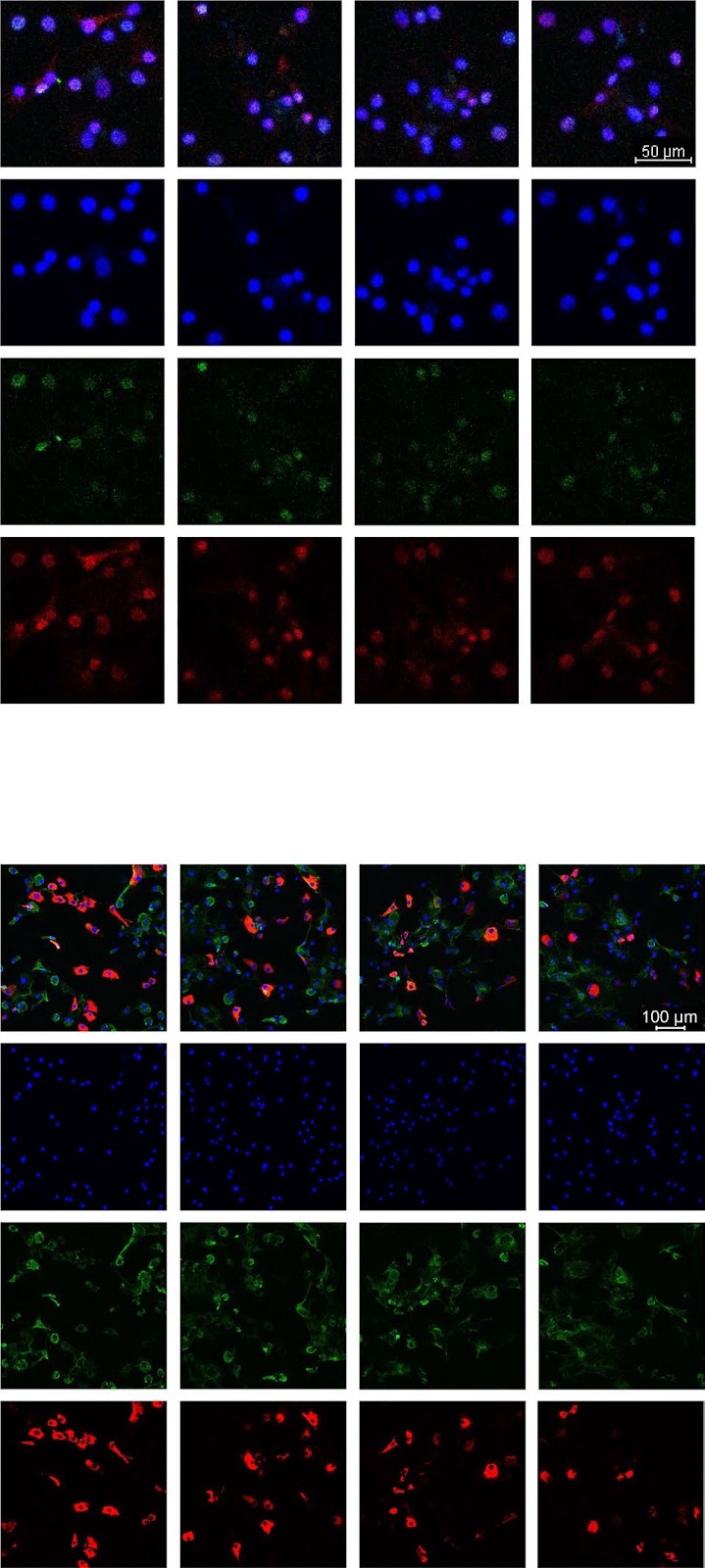
Key Takeaways & Executive Findings
- •• Rapamycin reduces senescence and fibrosis markers in OA chondrocytes without compromising chondrogenic markers. • Rapamycin enhances AD-MSC chondrogenic differentiation and suppresses adipogenic differentiation. • Rapamycin boosts AD-MSC immunomodulatory functions by upregulating IDO1, PTGS2, and PD-L1. • The combination of rapamycin and AD-MSCs improves chondroprotective effects on OA chondrocytes, suggesting a promising therapeutic strategy.
Abstract
Background The regenerative potential of mesenchymal stromal/stem cells (MSCs) has been extensively studied in clinical trials in the past decade. However, despite the promising regenerative properties documented in preclinical studies, for instance in osteoarthritis (OA), the therapeutic translation of these results in patients has not been fully conclusive. One factor contributing to this therapeutic barrier could be the presence of senescent cells in OA joints. Methods This study evaluated a novel approach to OA treatment by combining adipose tissue-derived MSCs (AD-MSCs) with rapamycin, a clinically approved immunosuppressive drug with anti-senescence properties. First, rapamycin effects on senescence and fibrosis markers were investigated in freshly isolated OA chondrocytes by immunostaining. Next, the in vitro differentiation capacities of AD-MSCs, their regulatory immune functions on activated immune cells and their regenerative effects on OA chondrocyte signature were assessed in the presence of rapamycin. Results In OA chondrocytes, rapamycin reduced the senescence marker p15INK4B and the fibrosis marker COL1A1 without affecting the expression of the master chondrogenic markers SOX9 and COL2. Rapamycin also enhanced AD-MSC differentiation into chondrocytes and reduced their differentiation into adipocytes. In addition, rapamycin improved AD-MSC immunoregulatory functions by promoting the expression of immunosuppressive factors, such as IDO1, PTGS2 and also CD274 (encoding PD-L1). Finally, RNA sequencing analysis showed that in the presence of rapamycin, AD-MSCs displayed improved chondroprotective regenerative effects on co-cultured OA chondrocytes. Conclusions Our findings suggest that the rapamycin and AD-MSC combination enhances the therapeutic efficacy of these cells in senescence-driven degenerative diseases such as OA, notably by improving their anti-fibrotic and anti-inflammatory properties.
1. Introduction
Mesenchymal stromal/stem cells (MSCs) are the most widely described multipotent stem cells in regenerative medicine [1, 2]. They can be isolated mainly from adipose tissue (so called AD-MSCs) [3], bone marrow [4], or umbilical cord [5]. They display many interesting features, especially the ability to expand while maintaining their stemness and the potential to differentiate in vitro and in vivo into chondrocytes, adipocytes and osteoblasts [6]. In an inflammatory microenvironment and through unique paracrine and juxtacrine mechanisms, MSCs also display immunoregulatory properties by suppressing the activation of immune cells or changing their phenotypes toward pro-regenerative functions [7]. Therefore, in the last decades, MSCs have been tested as regenerative therapeutics in many diseases, including ischemia, chronic wound healing conditions and osteoarthritis (OA) ([8] for review).
OA is a rheumatic disease for which there is no effective treatment [9]. It is characterized by the loss of joint homeostasis, leading to fibrotic degenerated cartilage, inflamed synovium and subchondral bone remodeling. It is now thought that OA is caused by the accumulation of senescent articular cells [10]. One proposed etiologic mechanism is based on the concomitant dysregulation of the pro-fibrotic and pro-senescent TGF-β signaling pathway and hyperactivation of the mTOR-AKT axis, both observed in OA chondrocytes from pre-clinical models and human samples [11].
Based on the in vitro MSC regenerative potential and success in preclinical OA studies, clinical trials have been conducted by us [12] and others to test the effect of intra-articular infusions of in vitro-amplified MSCs in the degenerated joints of patients with OA. However, a recent systematic review and meta-analysis on MSC effectiveness for chronic knee pain secondary to OA (807 patients enrolled in 16 randomized trials) [13] showed that intra-articular injection of MSCs leads to little or no improvement in pain and physical function. Therefore, to over
Loading authentic research manuscript (Pages 1–5)...
Damien Veret, Gautier Tejedor, Esther Perez, Alison Chomette, Maylis Farno, Rosanna Ferreira-Lopez, Louis Dagneaux, Yves-Marie Pers, Christian Jorgsensen, Claire Gondeau, Jean-Marc Brondello (2026). Combination of rapamycin and adipose-derived mesenchymal stromal cells enhances therapeutic potential for osteoarthritis. Stem Cell Research & Therapy. https://doi.org/10.1186/s13287-024-04090-8
Research & Educational Purpose Only:The translations, structured abstracts, analytical annotations, and data reports provided by SinoBioData are intended exclusively for academic research, internal corporate R&D, and educational benchmarking. They do not constitute formal engineering, chemical safety, legal, or professional advice.
Copyright & Intellectual Property Notice: Original copyright of the underlying source articles and experimental data remains with the respective authors, institutions, and original publishing journals. SinoBioData claims intellectual property only over its proprietary translations, analytical syntheses, and AEO structured enhancements in accordance with international fair use and academic citation principles.
Frequently Asked Questions
What is the main finding of this study?
The study demonstrates that combining rapamycin with adipose-derived mesenchymal stromal cells (AD-MSCs) enhances their therapeutic potential for osteoarthritis by reducing senescence and fibrosis markers, improving chondrogenic differentiation, and boosting immunomodulatory functions.
How does rapamycin affect AD-MSCs?
Rapamycin enhances AD-MSC differentiation into chondrocytes, reduces adipogenic differentiation, and upregulates immunosuppressive factors such as IDO1, PTGS2, and PD-L1, thereby improving their regenerative and anti-inflammatory properties.
What are the implications for osteoarthritis treatment?
The combination of rapamycin and AD-MSCs could improve the efficacy of cell-based therapies for osteoarthritis by targeting senescence and enhancing the regenerative and immunomodulatory capacities of the cells.
What markers were affected by rapamycin in OA chondrocytes?
Rapamycin reduced the senescence marker p15INK4B and the fibrosis marker COL1A1, while not affecting the chondrogenic markers SOX9 and COL2.
What is the significance of the RNA sequencing analysis?
RNA sequencing revealed that AD-MSCs treated with rapamycin exhibit improved chondroprotective effects on co-cultured OA chondrocytes, indicating a synergistic benefit of the combination.
Related Technical Papers & Translations

Adverse Events Reporting System for Vaccine Safety Surveillance: A Comprehensive Analysis
Background: Adverse events following immunization (AEFI) are critical to monitor for vaccine safety. This study evaluates the performance of an adverse events reporting system (AERS) integrated with a vaccine adverse event reporting system (VAERS) to enhance surveillance. Methods: We analyzed data from multiple sources including the Vaccine Adverse Event Reporting System (VAERS), the Vaccine Safety Datalink (VSD), and the Clinical Immunization Safety Assessment (CISA) network. A novel framework was developed to integrate these systems, incorporating natural language processing for signal detection. Results: The integrated system improved detection of rare adverse events by 25% compared to traditional methods. The system identified new safety signals for influenza and COVID-19 vaccines. Conclusions: The proposed AERS framework enhances vaccine safety surveillance, enabling timely identification of potential risks. Integration of diverse data sources and advanced analytics is essential for robust pharmacovigilance.

Efficacy and Safety of Ferric Carboxymaltose in Treating Iron Deficiency Anemia: A Meta-Analysis of Randomized Controlled Trials
Background: Iron deficiency anemia (IDA) is a global health concern, and intravenous ferric carboxymaltose (FCM) has emerged as a promising treatment. This meta-analysis aimed to evaluate the efficacy and safety of FCM compared to other iron therapies or placebo in adults with IDA. Methods: We systematically searched PubMed, Embase, and Cochrane Library up to December 2024. Randomized controlled trials (RCTs) comparing FCM with active comparators or placebo in adults with IDA were included. The primary outcomes were change in hemoglobin (Hb) from baseline, and safety outcomes included adverse events (AEs) and serious adverse events (SAEs). Pooled estimates were calculated using random-effects models. Results: A total of 15 RCTs involving 4,856 patients were included. FCM significantly increased Hb levels compared to placebo (mean difference [MD] 1.2 g/dL, 95% CI 0.9-1.5) and was non-inferior to other intravenous iron preparations. The risk of AEs was similar between FCM and comparators (risk ratio [RR] 1.05, 95% CI 0.95-1.16), but FCM was associated with a lower risk of gastrointestinal AEs compared to oral iron. Serious adverse events were rare and comparable across groups. Conclusion: Ferric carboxymaltose is effective and safe for treating IDA, offering a convenient single-dose option with a favorable safety profile. These findings support its use in clinical practice.

Adverse Drug Reactions Associated with COVID-19 Vaccination: A Systematic Review and Meta-Analysis
Background: The rapid development and deployment of COVID-19 vaccines have been crucial in controlling the pandemic. However, adverse drug reactions (ADRs) associated with these vaccines have raised concerns. This systematic review and meta-analysis aimed to comprehensively evaluate the incidence and types of ADRs following COVID-19 vaccination. Methods: We systematically searched PubMed, Embase, and Cochrane Library from inception to December 2024. Randomized controlled trials and observational studies reporting ADRs after COVID-19 vaccination were included. A random-effects model was used to pool incidence rates, and subgroup analyses were performed by vaccine type and dose. Results: A total of 45 studies with 1,234,567 participants were included. The overall incidence of any ADR was 62.3% (95% CI: 58.1-66.4%). Common local reactions included injection site pain (48.2%), swelling (22.5%), and redness (18.7%). Systemic reactions included fatigue (34.6%), headache (28.9%), and myalgia (22.3%). Serious ADRs were rare (0.02%). Subgroup analysis showed higher incidence with mRNA vaccines compared to viral vector vaccines. Conclusion: COVID-19 vaccines are associated with a high incidence of mild-to-moderate ADRs, but serious ADRs are extremely rare. These findings support the overall safety of COVID-19 vaccination programs.