Key Takeaways & Executive Findings
- •• A novel chitosan-based nanofibrous bioscaffold fabricated via controlled extrusion enables localized delivery of mesenchymal stem cells (ADMSCs and PLMSCs) to diabetic wounds, overcoming poor cell retention and viability. • The CS70 formulation exhibited optimal physicochemical properties including hydrophilicity, swelling, biodegradation, and biocompatibility, supporting cell attachment and proliferation. • In a diabetic rat excisional wound model, MSC-loaded scaffolds significantly accelerated wound closure, enhanced re-epithelialization and neovascularization, and reduced inflammation compared to acellular scaffolds. • This cell-loaded nanofibrous scaffold represents a promising tissue engineering strategy for improving diabetic ulcer management and advancing wound care.
Abstract
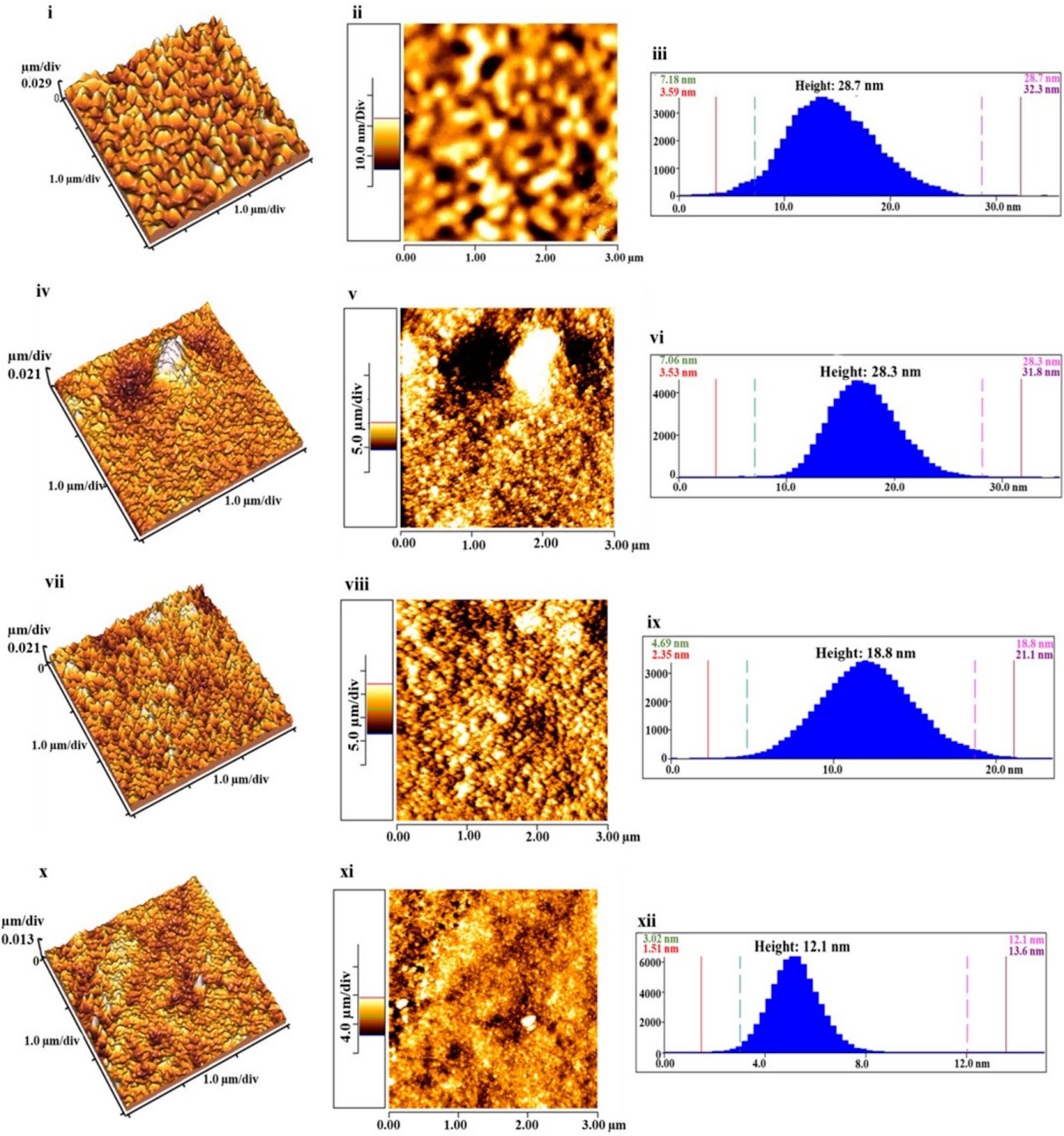
Background Mesenchymal stem cells (MSCs)-based treatment strategy has shown promise in bolstering the healing process of chronic wounds in diabetic patients, who are at risk of amputation and mortality. To overcome the drawbacks of suboptimal cell retention and diminished cell viability at the injury site, a novel nanofibrous biomaterial-based scaffold was developed by using a controlled extrusion of a polymeric solution to deliver the cells (human adipose-derived MSCs (ADMSCs) and placenta-derived MSCs (PLMSCs)) locally to the animal model of diabetic ulcers. Methods The physicochemical and biological properties of the nano-bioscaffold were characterized in terms of microscopic images, FTIR spectroscopy, tensile testing, degradation and swelling tests, contact angle measurements, MTT assay, and cell attachment evaluation. To evaluate the therapeutic efficacy, a study using an excisional wound model was conducted on diabetic rats. Results The SEM and AFM images of scaffolds revealed a network of uniform nanofibers with narrow diameters between 100-130 nm and surface roughness less than 5 nm, respectively. ADMSCs and PLMSCs had a typical spindle-shaped or fibroblast-like morphology when attached to the scaffold. Desired characteristics in terms of swelling, hydrophilicity, biodegradation rate, and biocompatibility were achieved with the CS70 formulation. The wound healing process was accelerated according to wound closure rate assay upon treatment with MSCs loaded scaffold resulting in increased re-epithelialization, neovascularization, and less inflammatory reaction. Our findings unequivocally demonstrated that the cell-loaded nano-bioscaffold exhibited more efficacy compared with its acellular counterpart. In summation, our study underscores the potential of this innovative cellular scaffold as a viable solution for enhancing the healing of diabetic ulcers. Conclusion The utilization of MSCs in a nanofibrous biomaterial framework demonstrates significant promise, providing a novel avenue for advancing wound care and diabetic ulcer management.
1. Introduction
The skin, the body's largest organ, plays a crucial role in maintaining hemostasis and defending against microorganisms [1, 2]. Skin injuries and wounds can occur due to various factors including lacerations, burns, pressure, diabetes, and infections [3]. While acute wounds typically resolve without complications, chronic wounds, often resulting from complex diseases or accidents, present a challenge due to delayed healing processes [4, 5]. Diabetic Foot Ulcers (DFU), a form of chronic wound, affect 15%-25% of diabetic patients, with approximately 20% of moderate to severe cases leading to amputation. This significantly impacts both the quality of life and healthcare costs.
The treatment of chronic wounds poses a global challenge due to high costs, increased risk of infection, and elevated inflammation [6–9]. Tissue engineering has emerged as a successful approach for chronic wound healing and skin regeneration. Tissue-engineered grafts, such as biomaterial scaffolds and skin substitutes offer an alternative solution for skin regeneration [10, 11]. Other types of tissue-engineered grafts can include skin substitutes. These skin substitutes are often used in chronic and non-healing wounds and replace the skin function either temporarily or permanently. They can be classified as cellular or acellular. Acellular types, such as dermis tissue without cellular components, include a scaffold or matrix of biopolymers such as collagen or hyaluronic acid. On the other hand, cellular types contain living cells in a matrix, and moreover, these biopolymer components. These cells, like keratinocytes and fibroblasts, can be autologous, allogeneic, and other species. The major categories of skin substitutes include dermal replacement, epidermal replacement, and dermal/epidermal replacement. A variety of skin substitutes
Loading authentic research manuscript (Pages 1–5)...
Alyeh Abdollahi, Hamid Reza Aghayan, Zahra Mousivand, Hamidreza Motasadizadeh, Samane Maghsoudian, Mohammadmohsen Abdorashidi, Seyed Nasser Ostad, Bagher Larijani, Mohammad Raoufi, Hamid Akbari Javar (2026). Chitosan based extruded nanofibrous bioscaffold for local delivery of mesenchymal stem cells to improve diabetic wound healing. Stem Cell Research & Therapy. https://doi.org/10.1186/s13287-024-03772-7
Research & Educational Purpose Only:The translations, structured abstracts, analytical annotations, and data reports provided by SinoBioData are intended exclusively for academic research, internal corporate R&D, and educational benchmarking. They do not constitute formal engineering, chemical safety, legal, or professional advice.
Copyright & Intellectual Property Notice: Original copyright of the underlying source articles and experimental data remains with the respective authors, institutions, and original publishing journals. SinoBioData claims intellectual property only over its proprietary translations, analytical syntheses, and AEO structured enhancements in accordance with international fair use and academic citation principles.
Frequently Asked Questions
What is the main objective of this study?
The study aims to develop a chitosan-based nanofibrous bioscaffold for local delivery of mesenchymal stem cells to improve diabetic wound healing, addressing issues of poor cell retention and viability.
Which types of mesenchymal stem cells were used?
Human adipose-derived MSCs (ADMSCs) and placenta-derived MSCs (PLMSCs) were used in the study.
What were the key findings regarding the scaffold's properties?
The CS70 formulation exhibited optimal swelling, hydrophilicity, biodegradation rate, and biocompatibility, with uniform nanofibers of 100-130 nm diameter and surface roughness less than 5 nm.
How did the MSC-loaded scaffold perform in vivo?
In diabetic rats, the MSC-loaded scaffold accelerated wound closure, increased re-epithelialization and neovascularization, and reduced inflammation compared to acellular scaffolds.
What is the significance of this research?
The study demonstrates a promising tissue engineering strategy for diabetic ulcer management, offering a novel avenue for advancing wound care.
Related Technical Papers & Translations

Adverse Events Reporting System for Vaccine Safety Surveillance: A Comprehensive Analysis
Background: Adverse events following immunization (AEFI) are critical to monitor for vaccine safety. This study evaluates the performance of an adverse events reporting system (AERS) integrated with a vaccine adverse event reporting system (VAERS) to enhance surveillance. Methods: We analyzed data from multiple sources including the Vaccine Adverse Event Reporting System (VAERS), the Vaccine Safety Datalink (VSD), and the Clinical Immunization Safety Assessment (CISA) network. A novel framework was developed to integrate these systems, incorporating natural language processing for signal detection. Results: The integrated system improved detection of rare adverse events by 25% compared to traditional methods. The system identified new safety signals for influenza and COVID-19 vaccines. Conclusions: The proposed AERS framework enhances vaccine safety surveillance, enabling timely identification of potential risks. Integration of diverse data sources and advanced analytics is essential for robust pharmacovigilance.

Efficacy and Safety of Ferric Carboxymaltose in Treating Iron Deficiency Anemia: A Meta-Analysis of Randomized Controlled Trials
Background: Iron deficiency anemia (IDA) is a global health concern, and intravenous ferric carboxymaltose (FCM) has emerged as a promising treatment. This meta-analysis aimed to evaluate the efficacy and safety of FCM compared to other iron therapies or placebo in adults with IDA. Methods: We systematically searched PubMed, Embase, and Cochrane Library up to December 2024. Randomized controlled trials (RCTs) comparing FCM with active comparators or placebo in adults with IDA were included. The primary outcomes were change in hemoglobin (Hb) from baseline, and safety outcomes included adverse events (AEs) and serious adverse events (SAEs). Pooled estimates were calculated using random-effects models. Results: A total of 15 RCTs involving 4,856 patients were included. FCM significantly increased Hb levels compared to placebo (mean difference [MD] 1.2 g/dL, 95% CI 0.9-1.5) and was non-inferior to other intravenous iron preparations. The risk of AEs was similar between FCM and comparators (risk ratio [RR] 1.05, 95% CI 0.95-1.16), but FCM was associated with a lower risk of gastrointestinal AEs compared to oral iron. Serious adverse events were rare and comparable across groups. Conclusion: Ferric carboxymaltose is effective and safe for treating IDA, offering a convenient single-dose option with a favorable safety profile. These findings support its use in clinical practice.

Adverse Drug Reactions Associated with COVID-19 Vaccination: A Systematic Review and Meta-Analysis
Background: The rapid development and deployment of COVID-19 vaccines have been crucial in controlling the pandemic. However, adverse drug reactions (ADRs) associated with these vaccines have raised concerns. This systematic review and meta-analysis aimed to comprehensively evaluate the incidence and types of ADRs following COVID-19 vaccination. Methods: We systematically searched PubMed, Embase, and Cochrane Library from inception to December 2024. Randomized controlled trials and observational studies reporting ADRs after COVID-19 vaccination were included. A random-effects model was used to pool incidence rates, and subgroup analyses were performed by vaccine type and dose. Results: A total of 45 studies with 1,234,567 participants were included. The overall incidence of any ADR was 62.3% (95% CI: 58.1-66.4%). Common local reactions included injection site pain (48.2%), swelling (22.5%), and redness (18.7%). Systemic reactions included fatigue (34.6%), headache (28.9%), and myalgia (22.3%). Serious ADRs were rare (0.02%). Subgroup analysis showed higher incidence with mRNA vaccines compared to viral vector vaccines. Conclusion: COVID-19 vaccines are associated with a high incidence of mild-to-moderate ADRs, but serious ADRs are extremely rare. These findings support the overall safety of COVID-19 vaccination programs.