Efficacy of multi-layered human iPS cell-derived cardiovascular cell sheets in a pacing-induced canine dilated cardiomyopathy model
Authors: Yu Shimoyama, Kenji Kakuta, Kiho Araki, Hyoe Komae, Minoru Ono, Jun K. Yamashita
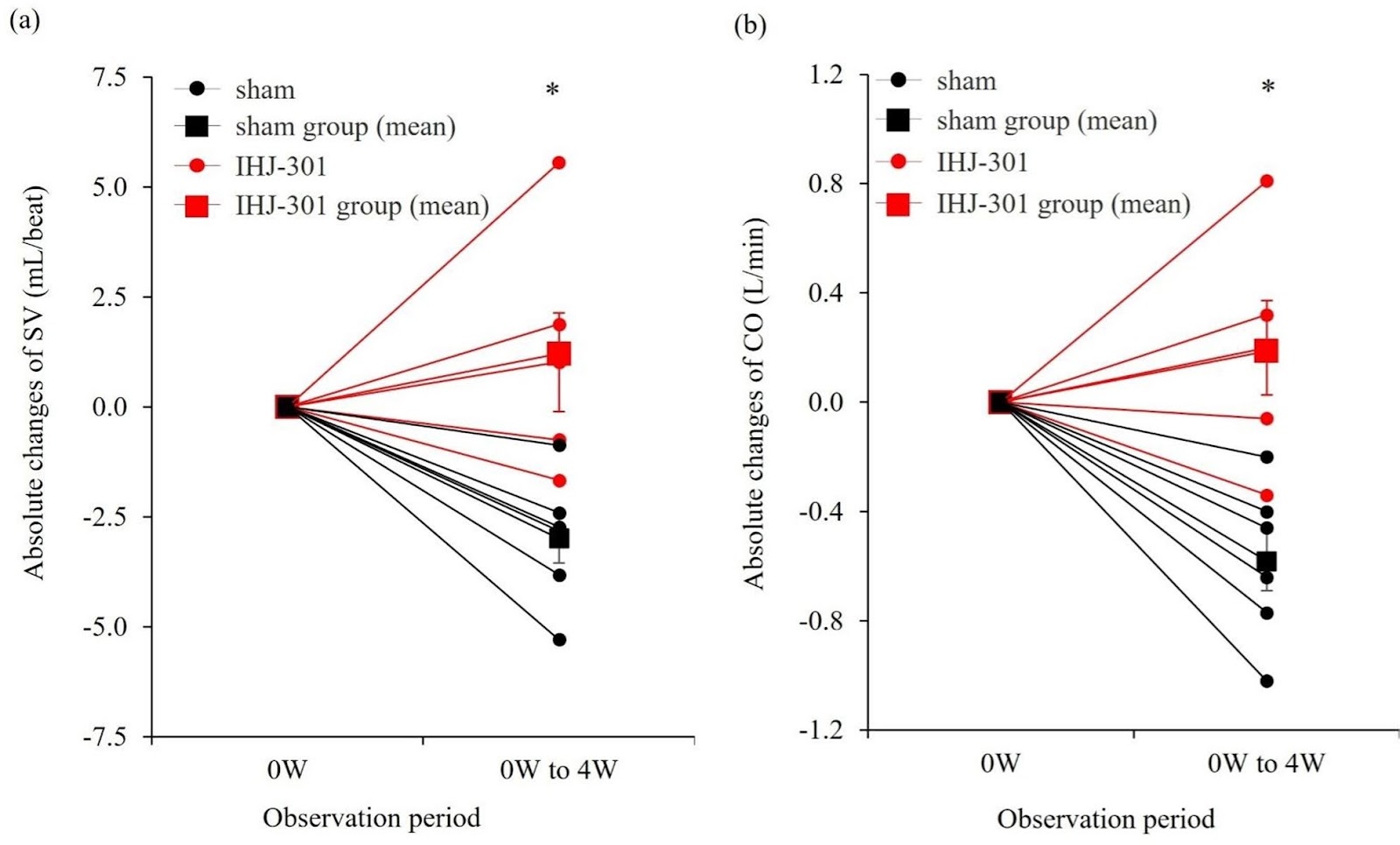
Background Dilated cardiomyopathy (DCM) is a progressive, intractable disease that leads to heart failure. Heart transplantation is the only curative treatment; however, access is limited by donor scarcity. Induced pluripotent stem cell (iPSC)-based therapies are attracting attention for DCM, but suitable large-animal models and robust preclinical data have been limited. Methods We generated multi-layered cardiovascular cell sheets from human iPSCs by combining cardiomyocytes with endothelial and stromal cells and overcoming stacking limits using interleaved gelatin hydrogel microspheres, yielding a thicker cardiac tissue-like construct (product code: IHJ-301). To enable rigorous testing in non-ischemic heart failure, we established a modified canine rapid-pacing heart failure model that maintains depressed function without mortality by continuing pacing at a slightly reduced rate after induction (Step-Down Pacing Heart Failure model). IHJ-301 was implanted epicardially onto the left ventricular surface via thoracotomy, and cardiac function was assessed by echocardiography and right-heart catheterization. Results After 4 weeks of rapid pacing (230±10 bpm), left ventricular ejection fraction (LVEF) was reduced from 77.8±1.1% (pre-pacing) to 44.9±1.9% (n=11) (0 W). Continued pacing at 210±10 bpm for additional 4 weeks resulted in no mortality and maintained depressed function (4 W LVEF 47.3±2.6%). IHJ-301 was implanted at 0 W. At 4 weeks post-implantation (4 W), all animals in the IHJ-301 group (n=5) showed greater functional improvement than sham (n=6). Absolute changes from 0 W to 4 W were: ΔLVEF (%) 9.38±1.47 vs. 1.90±0.34; Δfractional shortening (%) 4.84±0.75 vs. 0.97±0.18; stroke volume (mL/beat) 1.21±1.26 vs. −2.99±0.60; cardiac output (L/min) 0.19±0.19 vs. −0.58±0.12 (all p<0.05). Conclusions We established a non-ischemic large-animal heart failure model that sustains depressed function for one month, enabling clear therapeutic readouts. IHJ-301 significantly improved multiple parameters of cardiac function, providing preclinical evidence that IHJ-301 could offer a promising therapeutic option for DCM.