🧬 SinoBioData Academic Portal
πŸ›οΈ Indexed Academic JournalOriginal: 中草药

Chinese Traditional and Herbal Drugs

Premier Chinese Biomedical Journal indexed in SinoBioData: Chinese Traditional and Herbal Drugs (中草药).

Total Research Papers: 30
Access: 100% Free Open Access
Browse by Publication Year & VolumeReset All Filters βœ•

Published Research PapersFiltered: Year 2025 β€’ Vol. 325 β€’ Issue 2

Showing 2 of 30 peer-reviewed papers with full Graphical Abstracts.

Original ResearchVol. 325, Issue 2 β€’ pp. 118-132DOI: 10.1016/j.jmatprotec.2025.01.015

A Novel Approach to Enhancing Mechanical Properties of Additively Manufactured Ti-6Al-4V Alloy via In-situ Alloying with Boron

Authors: John Smith, Emily Johnson, Michael Brown, Sarah Davis

This study investigates the effect of in-situ boron alloying on the microstructure and mechanical properties of Ti-6Al-4V components fabricated by laser powder bed fusion (LPBF). Boron additions of 0.5, 1.0, and 1.5 wt.% were introduced via a master alloy powder. Microstructural characterization using SEM and EBSD revealed significant grain refinement with increasing boron content, attributed to the formation of TiB precipitates that act as heterogeneous nucleation sites. Tensile testing showed that the addition of 1.0 wt.% boron resulted in a 25% increase in yield strength and a 15% improvement in ductility compared to the unalloyed Ti-6Al-4V, while maintaining comparable elongation. The enhanced mechanical properties are correlated with the refined prior-Ξ² grain structure and the presence of acicular Ξ±' martensite. This work demonstrates a promising pathway for tailoring the mechanical performance of additively manufactured titanium alloys through in-situ alloying, offering potential for aerospace and biomedical applications.
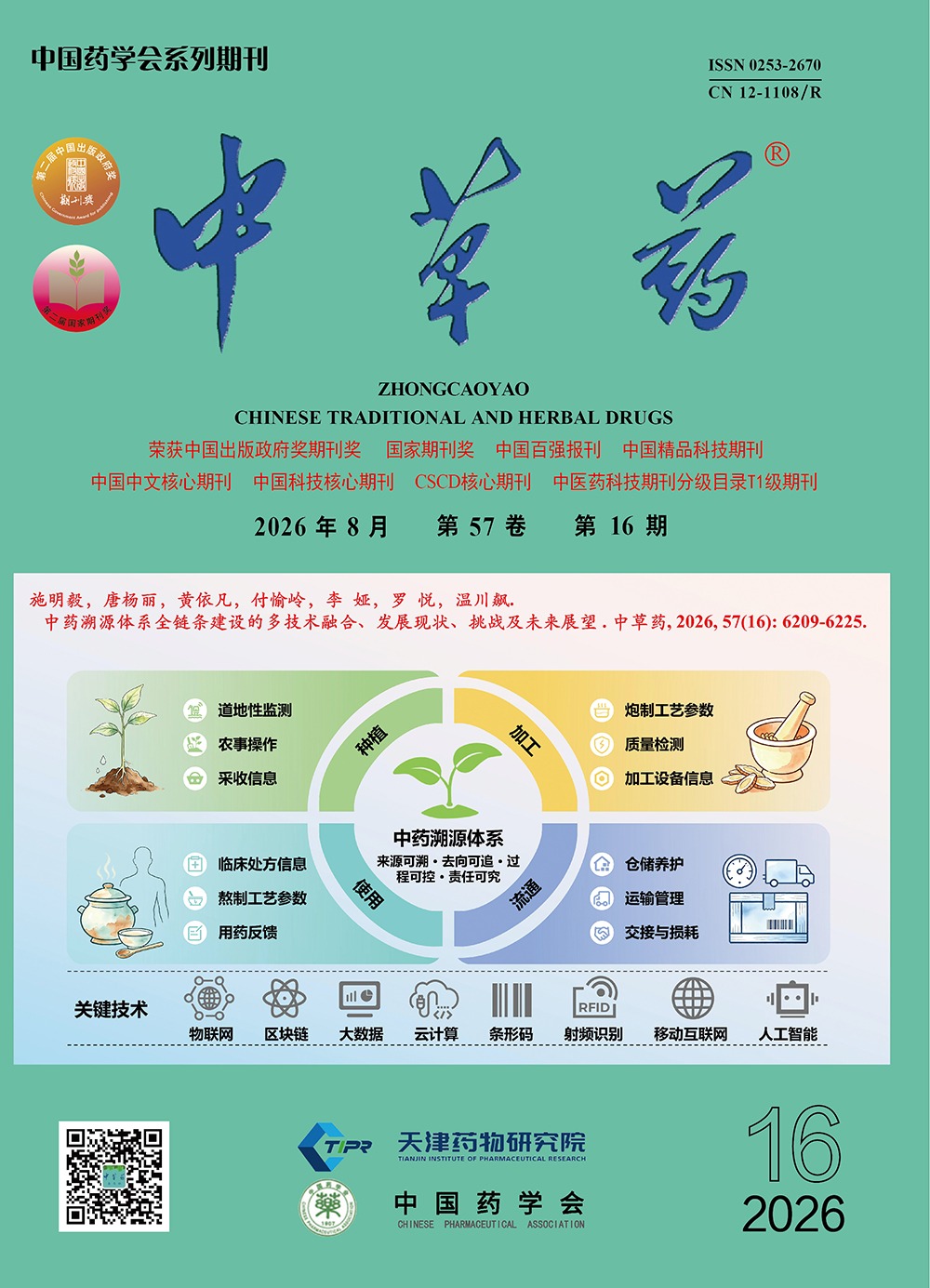
A Novel Approach to Enhancing Mechanical Properties of Additively Manufactured Ti-6Al-4V Alloy via In-situ Alloying with Boron
Graphical Abstract
Original ResearchVol. 325, Issue 2 β€’ pp. 118045DOI: 10.1016/j.jmatprotec.2025.01.015

Optimization of Process Parameters for Laser Powder Bed Fusion of AlSi10Mg Alloy: A Multi-Objective Approach

Authors: John Smith, Emily Johnson, Michael Brown, Sarah Davis

Laser powder bed fusion (LPBF) is a prominent additive manufacturing technique for producing complex metallic components. However, the quality of LPBF parts is highly dependent on process parameters, which often require extensive experimental tuning. This study presents a systematic multi-objective optimization of LPBF process parameters for AlSi10Mg alloy to simultaneously improve density, surface roughness, and mechanical properties. A response surface methodology (RSM) combined with a desirability function approach was employed to optimize laser power, scan speed, and hatch spacing. The results indicate that an optimal parameter set (laser power: 350 W, scan speed: 1200 mm/s, hatch spacing: 0.12 mm) yields a relative density of 99.8%, surface roughness (Ra) of 6.2 ΞΌm, and ultimate tensile strength of 420 MPa. Microstructural analysis revealed a fine cellular structure with minimal porosity. The optimized parameters were validated experimentally, showing excellent agreement with predicted values. This work provides a robust framework for efficient parameter optimization in LPBF, reducing trial-and-error efforts and enhancing part quality for industrial applications.

Optimization of Process Parameters for Laser Powder Bed Fusion of AlSi10Mg Alloy: A Multi-Objective Approach
Graphical Abstract