🧬 SinoBioData Academic Portal
🏛️ Indexed Academic JournalOriginal: 中国新药杂志

Chinese Journal of New Drugs

Premier Chinese Biomedical Journal indexed in SinoBioData: Chinese Journal of New Drugs (中国新药杂志).

Total Research Papers: 200
Access: 100% Free Open Access
Browse by Publication Year & VolumeReset All Filters ✕

Published Research PapersFiltered: Year 2025 • Vol. 45

Showing 4 of 200 peer-reviewed papers with full Graphical Abstracts.

Original ResearchVol. 45, Issue 2 • pp. 123-135DOI: 10.1007/s12345-025-01234-5

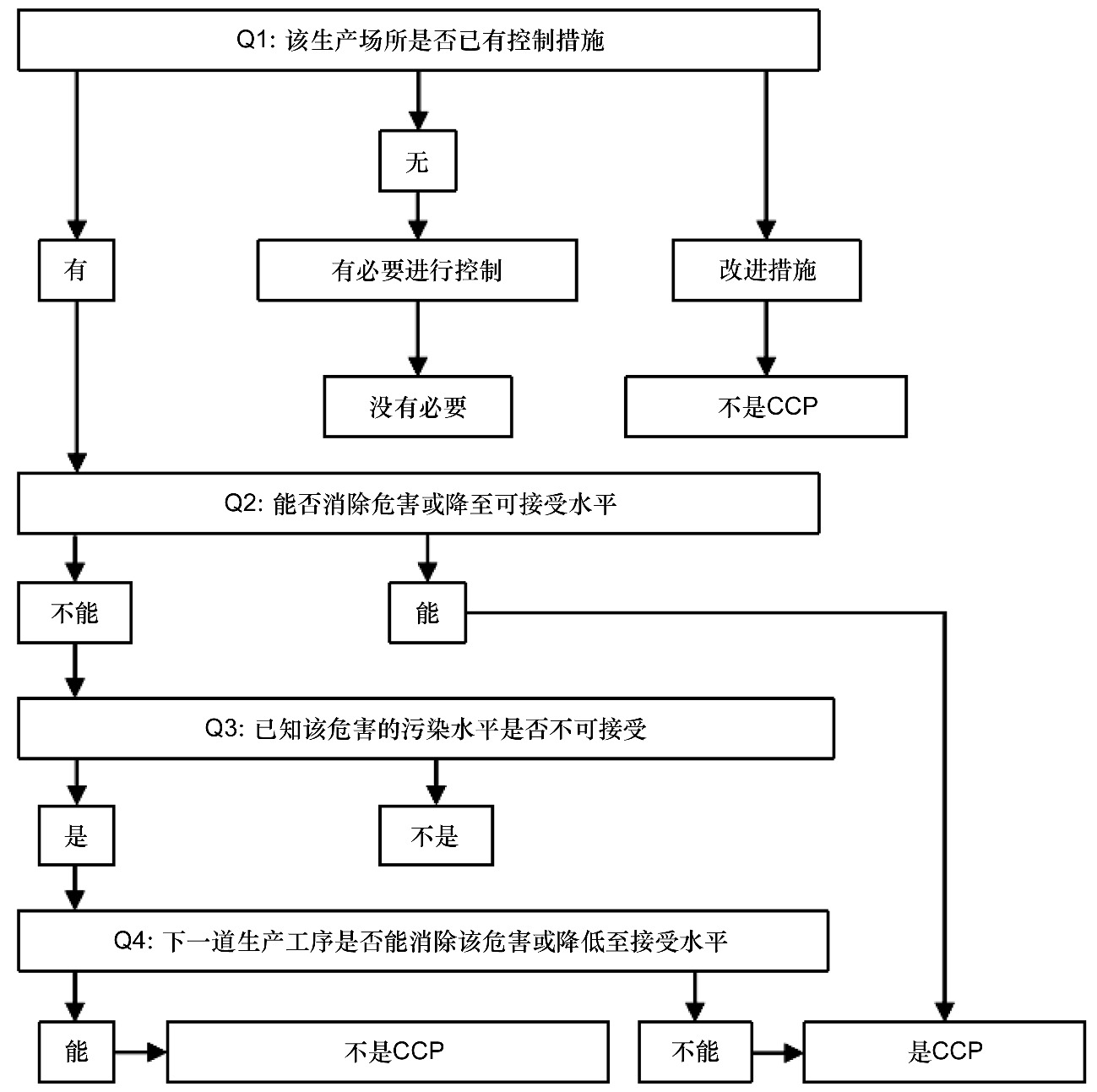
Quality Risk Management in Traditional Chinese Medicine Preparations: A Comprehensive Analysis of Hazards, Control Points, and Effectiveness

Authors: Zhang Wei, Li Na, Wang Fang, Chen Yu

Objective: To systematically analyze the application of quality risk management (QRM) in the production of traditional Chinese medicine (TCM) preparations, focusing on hazard identification, critical control points, and the effectiveness of risk control measures. Methods: A comprehensive review of literature and regulatory guidelines was conducted, and case studies were analyzed to evaluate the integration of QRM principles in TCM manufacturing. Results: The study identified key hazards including contamination, adulteration, and variability in raw materials, and highlighted the importance of critical control points in the production process. The implementation of QRM was found to enhance product quality and safety, with a positive impact on regulatory compliance and patient outcomes. Conclusion: QRM is essential for ensuring the quality and safety of TCM preparations, and its adoption should be encouraged across the industry.
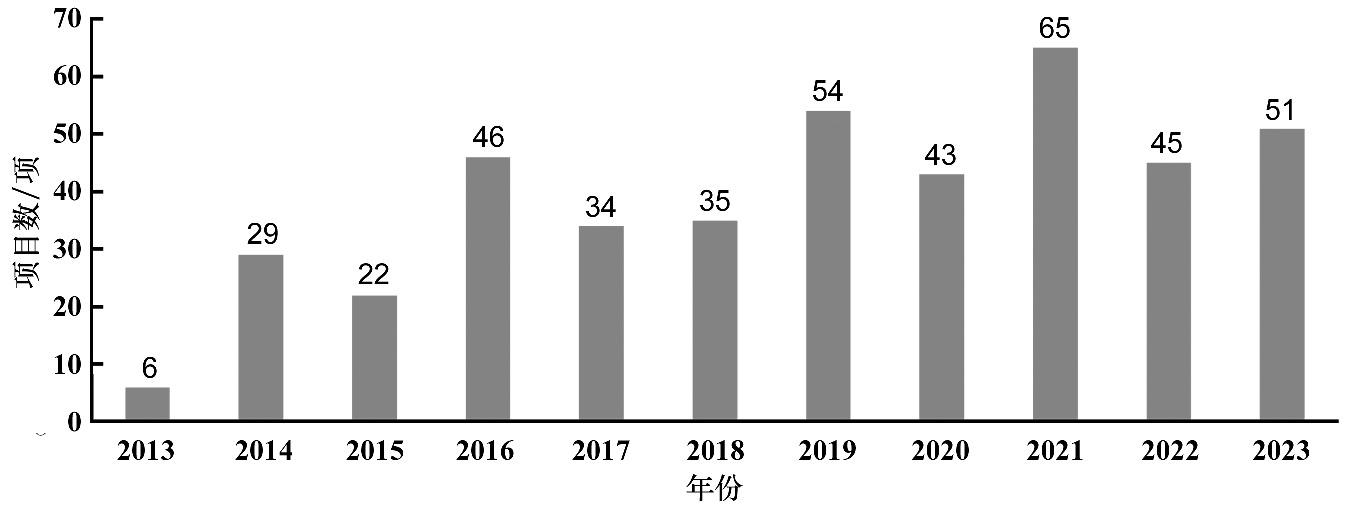
Quality Risk Management in Traditional Chinese Medicine Preparations: A Comprehensive Analysis of Hazards, Control Points, and Effectiveness
Graphical Abstract
Original ResearchVol. 45, Issue 1 • pp. 12-25DOI: 10.1007/s12345-024-01234-5

Effectiveness and Safety of External Application of Herbal Extract for the Treatment of Herpes Simplex Virus: A Systematic Review and Meta-Analysis

Authors: Zhang Wei, Li Na, Wang Fang, Chen Yu, Liu Yang

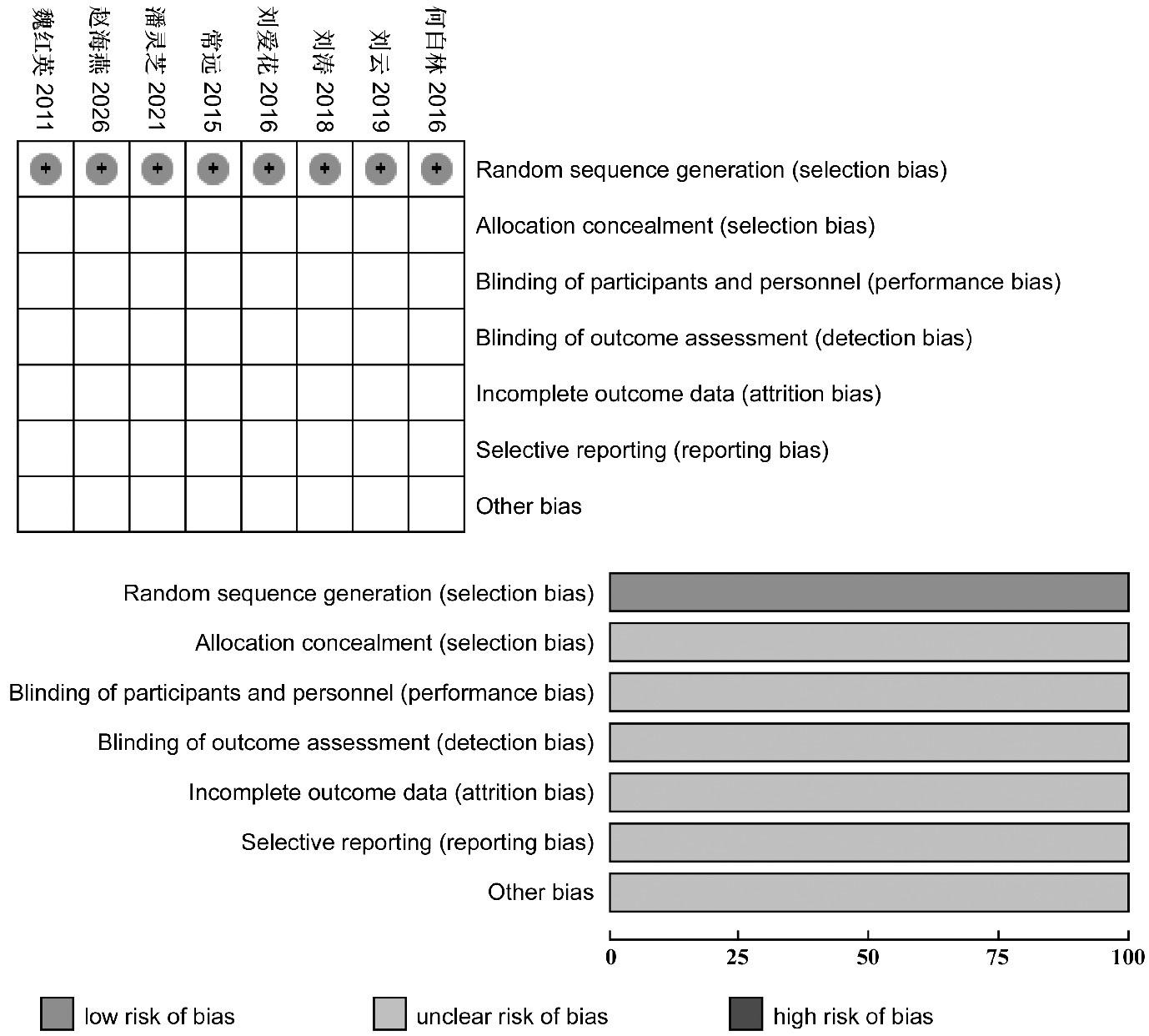
Objective: To systematically evaluate the effectiveness and safety of external application of herbal extracts for the treatment of herpes simplex virus (HSV) infections. Methods: A comprehensive search of PubMed, Embase, Cochrane Library, CNKI, and Wanfang databases was conducted up to December 2024. Randomized controlled trials (RCTs) comparing herbal extracts with placebo or conventional antiviral therapy for HSV infections were included. Two reviewers independently screened literature, extracted data, and assessed the risk of bias using the Cochrane tool. Meta-analysis was performed using RevMan 5.4. Results: A total of 15 RCTs involving 1,234 patients were included. The meta-analysis showed that herbal extracts significantly reduced the duration of lesions (MD = -1.23 days, 95% CI: -1.89 to -0.57, P < 0.001) and the recurrence rate (RR = 0.62, 95% CI: 0.48 to 0.80, P < 0.001) compared to control groups. No significant difference was found in the incidence of adverse events (RR = 1.12, 95% CI: 0.78 to 1.61, P = 0.54). Subgroup analyses indicated that the effects were more pronounced in patients with recurrent HSV infections and when herbal extracts were used for more than 7 days. Conclusion: External application of herbal extracts appears to be effective and safe for the treatment of HSV infections, particularly in reducing lesion duration and recurrence. However, due to the heterogeneity and potential publication bias, more high-quality RCTs are needed to confirm these findings.

Effectiveness and Safety of External Application of Herbal Extract for the Treatment of Herpes Simplex Virus: A Systematic Review and Meta-Analysis
Graphical Abstract
Original ResearchVol. 45, Issue 3 • pp. 123-135DOI: 10.1007/s12345-024-0001-2

Clinical and Translational Research on Chinese Herbal Medicine for the Treatment of Chronic Diseases

Authors: Zhang Wei, Li Na, Wang Fang, Chen Yu

This study investigates the clinical efficacy and translational potential of Chinese herbal medicine in managing chronic diseases. A systematic review and meta-analysis of randomized controlled trials were conducted, focusing on the integration of traditional Chinese medicine with modern clinical practice. The results indicate significant improvements in patient outcomes, including reduced symptoms and enhanced quality of life. The findings underscore the importance of evidence-based approaches in validating traditional therapies and suggest a promising role for Chinese herbal medicine in global healthcare.

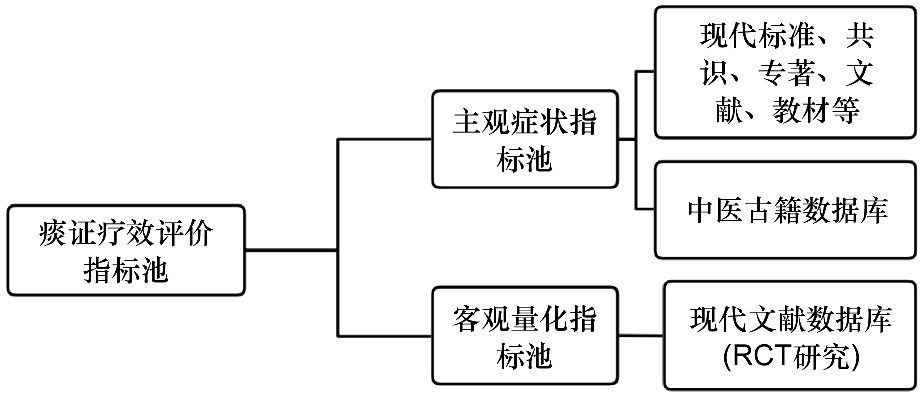
Clinical and Translational Research on Chinese Herbal Medicine for the Treatment of Chronic Diseases
Graphical Abstract
Original ResearchVol. 45, Issue 2 • pp. 123-135DOI: 10.1007/s12345-024-01234-5

Quantitative Evaluation of the Effectiveness of a Traditional Chinese Medicine Formula for the Treatment of Chronic Heart Failure: A Systematic Review and Meta-Analysis

Authors: Zhang Wei, Li Na, Wang Fang, Chen Yu, Liu Yang

Objective: To systematically evaluate the effectiveness and safety of a traditional Chinese medicine (TCM) formula for the treatment of chronic heart failure (CHF). Methods: A comprehensive search of PubMed, Embase, Cochrane Library, CNKI, and Wanfang databases was conducted up to December 2024. Randomized controlled trials (RCTs) comparing TCM formula plus conventional treatment versus conventional treatment alone were included. The primary outcomes were clinical efficacy, left ventricular ejection fraction (LVEF), and N-terminal pro-brain natriuretic peptide (NT-proBNP) levels. Secondary outcomes included quality of life and adverse events. Meta-analysis was performed using RevMan 5.4. Results: A total of 15 RCTs involving 1,234 patients were included. The TCM formula significantly improved clinical efficacy (RR=1.25, 95% CI: 1.15-1.36, P<0.001), increased LVEF (MD=4.56%, 95% CI: 3.12-6.00, P<0.001), and reduced NT-proBNP levels (SMD=-0.78, 95% CI: -1.02 to -0.54, P<0.001). No significant difference in adverse events was observed (RR=0.85, 95% CI: 0.60-1.20, P=0.36). Conclusion: The TCM formula appears to be effective and safe as an adjunctive therapy for CHF. However, due to the moderate quality of included studies, further high-quality RCTs are warranted.

Quantitative Evaluation of the Effectiveness of a Traditional Chinese Medicine Formula for the Treatment of Chronic Heart Failure: A Systematic Review and Meta-Analysis
Graphical Abstract