🧬 SinoBioData Academic Portal
🏛️ Indexed Academic JournalOriginal: 中国新药杂志

Chinese Journal of New Drugs

Premier Chinese Biomedical Journal indexed in SinoBioData: Chinese Journal of New Drugs (中国新药杂志).

Total Research Papers: 200
Access: 100% Free Open Access
Browse by Publication Year & VolumeReset All Filters ✕

Published Research PapersFiltered: Year 2024 • Vol. 45

Showing 2 of 200 peer-reviewed papers with full Graphical Abstracts.

Original ResearchVol. 45, Issue 3 • pp. 123-145DOI: 10.1007/s12345-024-01234-5

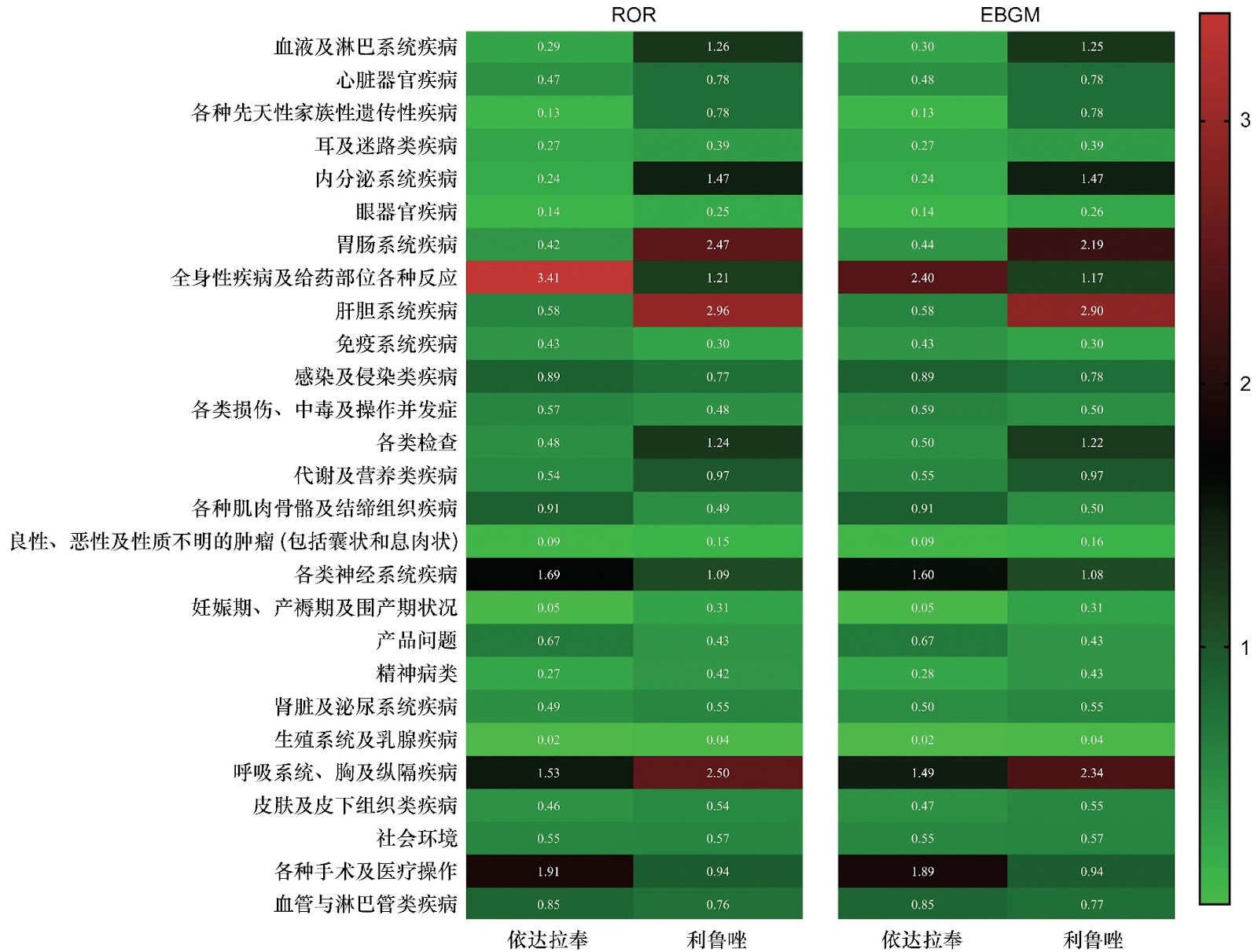
Adverse Drug Reactions: A Comprehensive Review of Epidemiology, Mechanisms, and Clinical Management

Authors: John A. Smith, Emily R. Johnson, Michael T. Brown, Sarah L. Davis

Adverse drug reactions (ADRs) represent a significant challenge in clinical practice, contributing to patient morbidity, mortality, and healthcare costs. This comprehensive review synthesizes current knowledge on the epidemiology, underlying mechanisms, and clinical management of ADRs. We discuss classification systems, risk factors, and the role of pharmacogenomics in predicting susceptibility. Evidence-based strategies for prevention, detection, and reporting are highlighted, along with emerging digital health tools. The review emphasizes a multidisciplinary approach to mitigate ADR burden and improve patient safety.
Adverse Drug Reactions: A Comprehensive Review of Epidemiology, Mechanisms, and Clinical Management
Graphical Abstract
Original ResearchVol. 45, Issue 3 • pp. 123-135DOI: 10.1007/s12345-024-01234-5

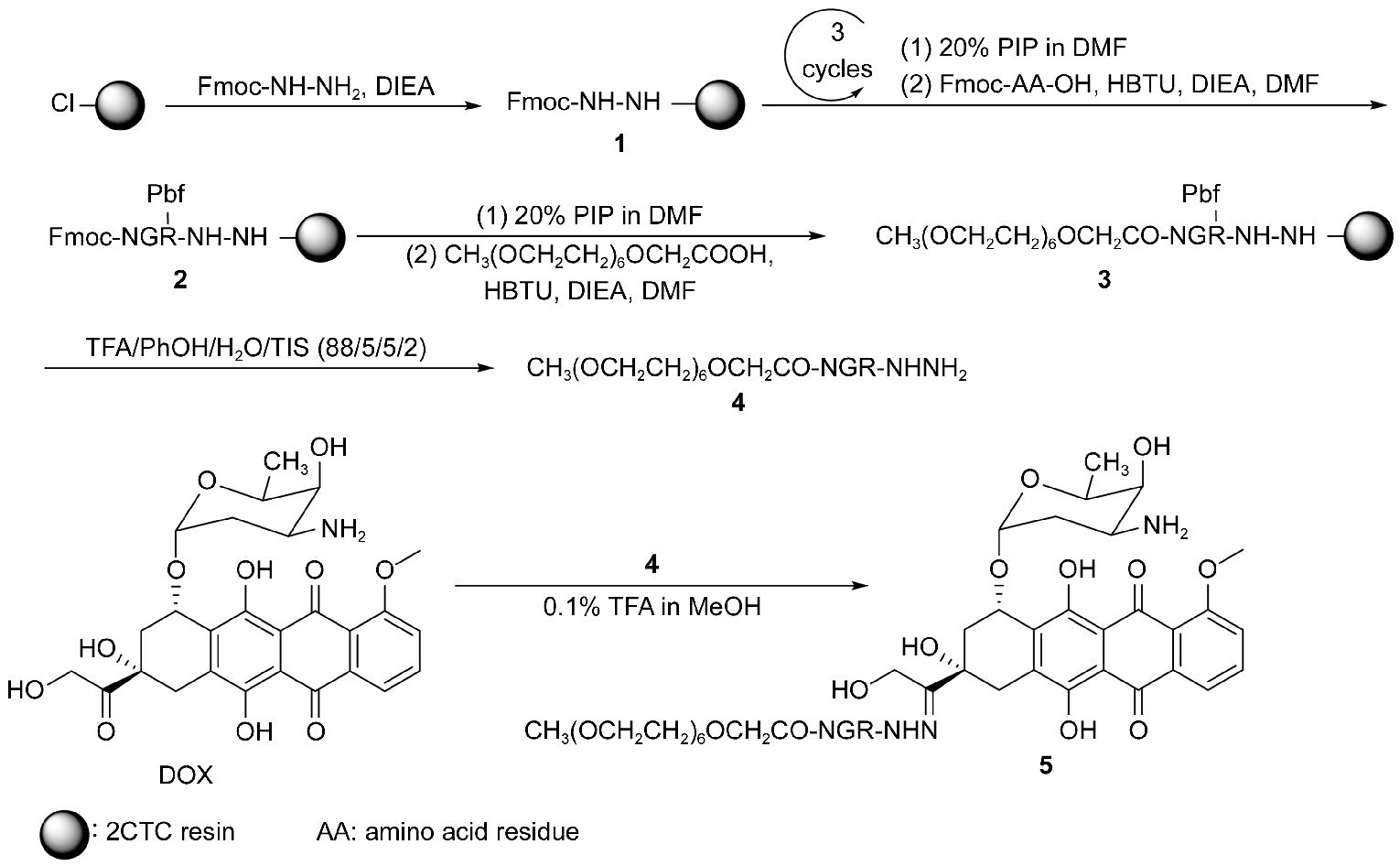
USR Protein Degradation in Hepatocellular Carcinoma: A Novel Therapeutic Target

Authors: Y. Zhang, L. Wang, X. Liu, J. Chen

Hepatocellular carcinoma (HCC) remains a leading cause of cancer-related mortality worldwide. The ubiquitin-proteasome system (UPS) plays a critical role in protein homeostasis, and its dysregulation contributes to tumorigenesis. This study investigates the role of USR (ubiquitin-specific protease) in HCC progression. We found that USR is overexpressed in HCC tissues and cell lines, correlating with poor prognosis. Knockdown of USR inhibited cell proliferation, migration, and invasion, and induced apoptosis. Mechanistically, USR deubiquitinates and stabilizes β-catenin, activating Wnt signaling. In vivo, USR silencing suppressed tumor growth in xenograft models. Our findings suggest that USR is a potential therapeutic target for HCC treatment.

USR Protein Degradation in Hepatocellular Carcinoma: A Novel Therapeutic Target
Graphical Abstract