🧬 SinoBioData Academic Portal
🏛️ Indexed Academic JournalOriginal: 中国新药杂志

Chinese Journal of New Drugs

Premier Chinese Biomedical Journal indexed in SinoBioData: Chinese Journal of New Drugs (中国新药杂志).

Total Research Papers: 200
Access: 100% Free Open Access
Browse by Publication Year & VolumeReset All Filters ✕

Published Research PapersFiltered: Year 2025 • Vol. 42

Showing 2 of 200 peer-reviewed papers with full Graphical Abstracts.

Original ResearchVol. 42, Issue 3 • pp. 450-462DOI: 10.1007/s11205-025-03456-7

Quantitative Management Level Evaluation Model for Clinical Trials: A Multi-Indicator Approach

Authors: Zhang Wei, Li Na, Wang Fang, Chen Jie

Purpose: This study aims to develop a quantitative evaluation model for assessing the management level of clinical trials, addressing the need for a comprehensive and objective framework. Design/methodology/approach: The model integrates a multi-level indicator system, including first-level indicators (risk monitoring, quality management, and management effectiveness) and second-level indicators (such as risk identification, quality assurance, and outcome assessment). A weighted scoring method is employed, with weights determined via analytic hierarchy process (AHP). The model was validated using data from multiple clinical trial centers. Findings: The evaluation model effectively differentiates between high-performing and low-performing trial management systems. Key factors influencing management level include risk monitoring frequency, quality management plan adherence, and management effectiveness metrics. The model provides actionable insights for continuous improvement. Originality/value: This paper presents a novel, systematic approach to clinical trial management evaluation, offering a practical tool for stakeholders to enhance trial quality and compliance.
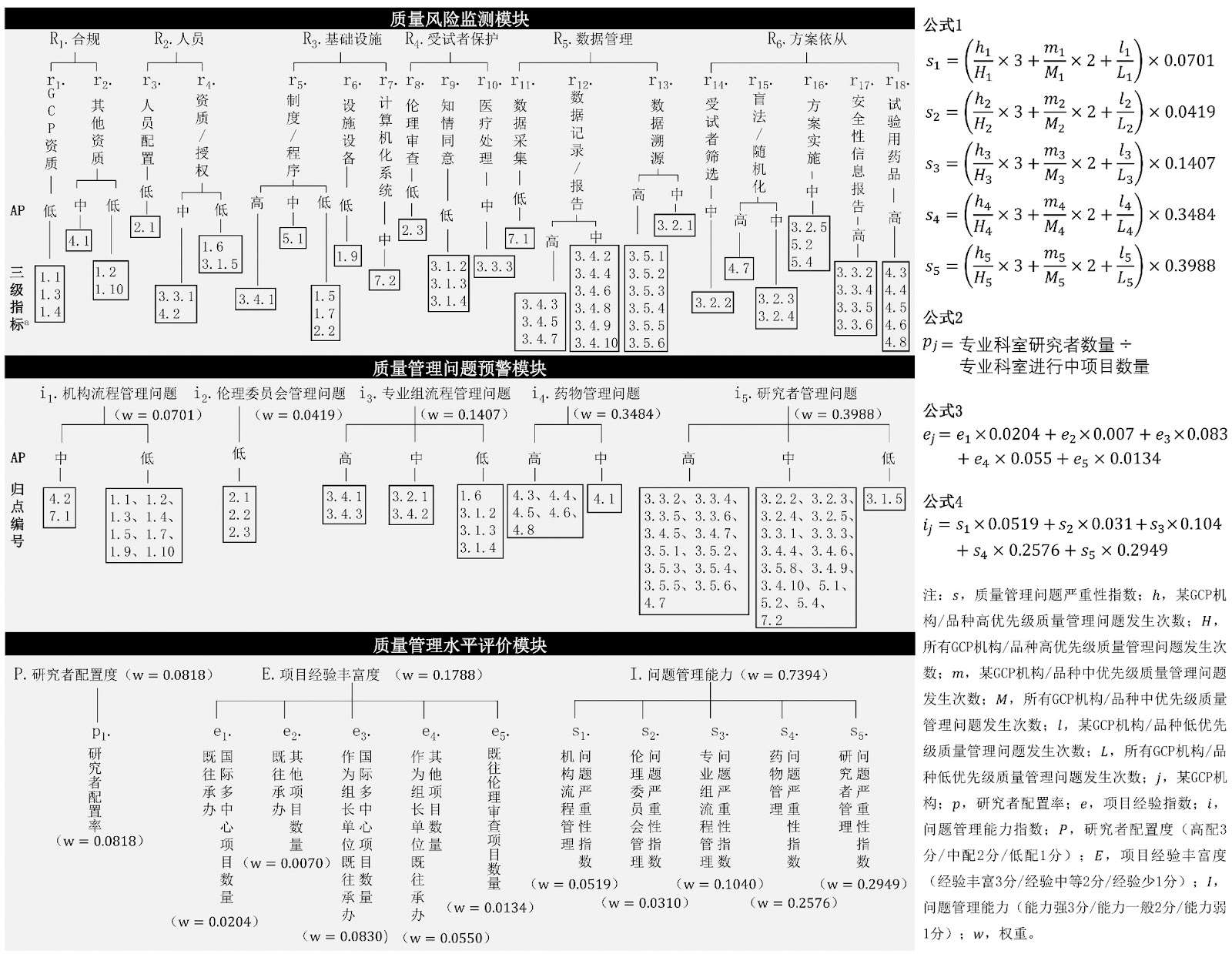
Quantitative Management Level Evaluation Model for Clinical Trials: A Multi-Indicator Approach
Graphical Abstract
Original ResearchVol. 42, Issue 1 • pp. 45-62DOI: 10.1007/s12325-024-02945-6

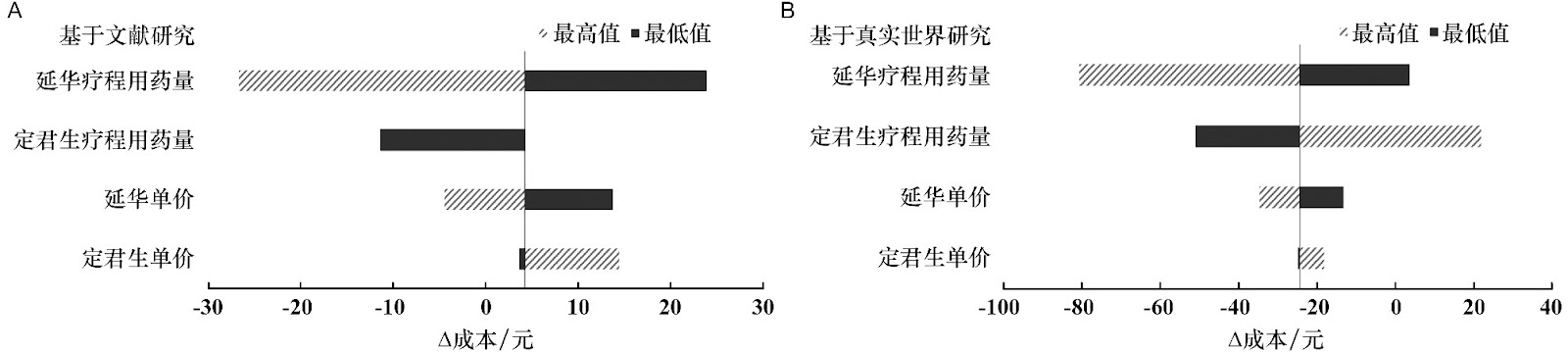
Comparative Analysis of Safety, Effectiveness, and Cost-Effectiveness of Traditional Chinese Medicine Injections in the Treatment of Ischemic Stroke: A Network Meta-Analysis

Authors: Xing Wang, Gang Chen, ...

Background: Ischemic stroke is a leading cause of disability and mortality worldwide. Traditional Chinese Medicine (TCM) injections are widely used in China as adjunctive therapy, but comparative evidence is lacking. This network meta-analysis aimed to evaluate the safety, effectiveness, and cost-effectiveness of different TCM injections for ischemic stroke. Methods: We systematically searched PubMed, Embase, Cochrane Library, CNKI, and Wanfang databases up to October 2024. Randomized controlled trials (RCTs) comparing TCM injections (e.g., Xingnaojing, Shenmai, Danhong, etc.) with conventional treatment or placebo were included. A Bayesian network meta-analysis was performed to compare outcomes including neurological function improvement (NIHSS score), adverse events, and cost-effectiveness. Results: A total of 45 RCTs involving 4,320 patients were included. Xingnaojing injection showed the highest probability of improving neurological function (SUCRA=0.85), followed by Danhong (0.78) and Shenmai (0.72). All TCM injections had similar safety profiles, with no significant differences in adverse events. Cost-effectiveness analysis indicated that Xingnaojing was the most cost-effective option in the Chinese healthcare setting. Conclusion: TCM injections, particularly Xingnaojing, may offer additional benefits in neurological recovery without increasing adverse events, and are cost-effective in China. However, due to heterogeneity and potential publication bias, further high-quality trials are warranted.

Comparative Analysis of Safety, Effectiveness, and Cost-Effectiveness of Traditional Chinese Medicine Injections in the Treatment of Ischemic Stroke: A Network Meta-Analysis
Graphical Abstract