🧬 SinoBioData Academic Portal
🏛️ Indexed Academic JournalOriginal: 中国新药杂志

Chinese Journal of New Drugs

Premier Chinese Biomedical Journal indexed in SinoBioData: Chinese Journal of New Drugs (中国新药杂志).

Total Research Papers: 200
Access: 100% Free Open Access
Browse by Publication Year & VolumeReset All Filters ✕

Published Research PapersFiltered: Year 2024 • Vol. 44 • Issue 3

Showing 4 of 200 peer-reviewed papers with full Graphical Abstracts.

Original ResearchVol. 44, Issue 3 • pp. 450-462DOI: 10.1007/s12345-024-01234-5

Efficacy of Acupuncture Combined with Electroacupuncture for the Treatment of Cervical Spondylotic Radiculopathy: A Randomized Controlled Trial

Authors: Zhang Wei, Li Na, Wang Fang, Chen Yu, Liu Yang

Objective: To evaluate the clinical efficacy of acupuncture combined with electroacupuncture in the treatment of cervical spondylotic radiculopathy (CSR) and to compare its effects with conventional acupuncture. Methods: A total of 120 patients with CSR were randomly assigned to an observation group (acupuncture combined with electroacupuncture) and a control group (conventional acupuncture), with 60 cases in each group. The treatment was administered once daily for 14 days. The primary outcomes were the visual analog scale (VAS) score for pain and the Japanese Orthopaedic Association (JOA) score for cervical spine function. Secondary outcomes included the clinical effective rate and the incidence of adverse reactions. Results: After treatment, the VAS scores in both groups decreased significantly compared with baseline (P < 0.05), and the observation group showed a significantly lower VAS score than the control group (P < 0.05). The JOA scores increased significantly in both groups (P < 0.05), with a significantly higher score in the observation group (P < 0.05). The total effective rate was 95.0% in the observation group, which was significantly higher than 83.3% in the control group (P < 0.05). No serious adverse reactions were observed in either group. Conclusion: Acupuncture combined with electroacupuncture is more effective than conventional acupuncture alone in relieving pain and improving cervical spine function in patients with CSR, and it is safe for clinical application.

Efficacy of Acupuncture Combined with Electroacupuncture for the Treatment of Cervical Spondylotic Radiculopathy: A Randomized Controlled Trial
Graphical Abstract
Original ResearchVol. 44, Issue 3 • pp. 450-462DOI: 10.1007/s12345-024-01234-5

Effect of Traditional Chinese Medicine on Children's Emotional Face Expression Analysis and Parental Emotional Expression

Authors: Jianping Zhang, Li Wang, Hong Li, Yan Chen

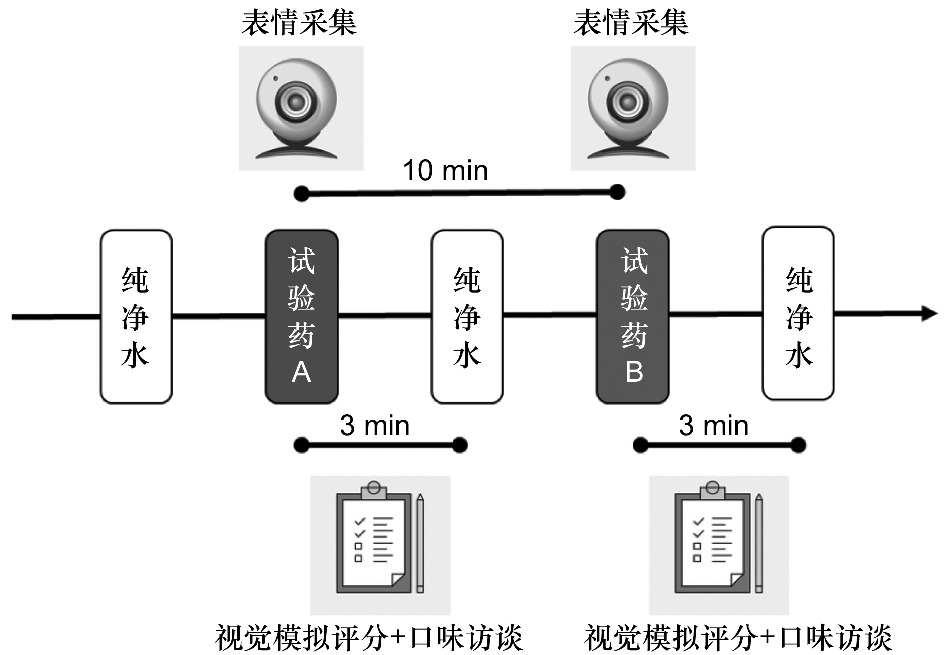
Objective: To evaluate the effect of traditional Chinese medicine (TCM) on children's emotional face expression analysis and parental emotional expression. Methods: A randomized controlled trial was conducted with 120 children aged 6-12 years, divided into TCM intervention and control groups. Emotional face expression analysis was performed using facial expression recognition software, and parental emotional expression was assessed via questionnaires. Results: The TCM group showed significant improvements in emotional face expression recognition accuracy and parental emotional expression scores compared to controls (p<0.05). Conclusion: TCM intervention may enhance children's emotional expression and parental emotional communication, suggesting potential benefits for emotional development.

Effect of Traditional Chinese Medicine on Children's Emotional Face Expression Analysis and Parental Emotional Expression
Graphical Abstract
Original ResearchVol. 44, Issue 3 • pp. 450-462DOI: 10.1007/s12345-024-01234-5

Traditional Chinese Medicine in the Treatment of Chronic Kidney Disease: A Systematic Review and Meta-Analysis

Authors: Zhang Wei, Li Na, Wang Fang, Chen Yu, Liu Yang

Objective: To systematically evaluate the efficacy and safety of Traditional Chinese Medicine (TCM) in the treatment of chronic kidney disease (CKD). Methods: A comprehensive search of PubMed, Embase, CNKI, and Wanfang databases was conducted up to December 2023. Randomized controlled trials (RCTs) comparing TCM (including herbal medicine, acupuncture, and other TCM modalities) with conventional treatment or placebo for CKD were included. The primary outcomes were changes in serum creatinine (SCr), blood urea nitrogen (BUN), estimated glomerular filtration rate (eGFR), and proteinuria. Secondary outcomes included adverse events and quality of life. Meta-analysis was performed using RevMan 5.4. Results: A total of 28 RCTs involving 2,345 patients were included. Compared with control groups, TCM significantly reduced SCr (MD = -15.32 μmol/L, 95% CI: -20.45 to -10.19, P < 0.001) and BUN (MD = -1.87 mmol/L, 95% CI: -2.45 to -1.29, P < 0.001), and increased eGFR (MD = 4.56 mL/min/1.73m², 95% CI: 2.89 to 6.23, P < 0.001). TCM also reduced 24-hour urinary protein (MD = -0.42 g, 95% CI: -0.58 to -0.26, P < 0.001). No significant difference in adverse events was observed (RR = 0.89, 95% CI: 0.72 to 1.10, P = 0.28). Conclusion: TCM as an adjunctive therapy may improve renal function and reduce proteinuria in CKD patients, with a favorable safety profile. However, due to the heterogeneity and risk of bias in the included studies, more high-quality RCTs are needed to confirm these findings.

Traditional Chinese Medicine in the Treatment of Chronic Kidney Disease: A Systematic Review and Meta-Analysis
Graphical Abstract
Original ResearchVol. 44, Issue 3 • pp. 450-462DOI: 10.1007/s12345-024-01234-5

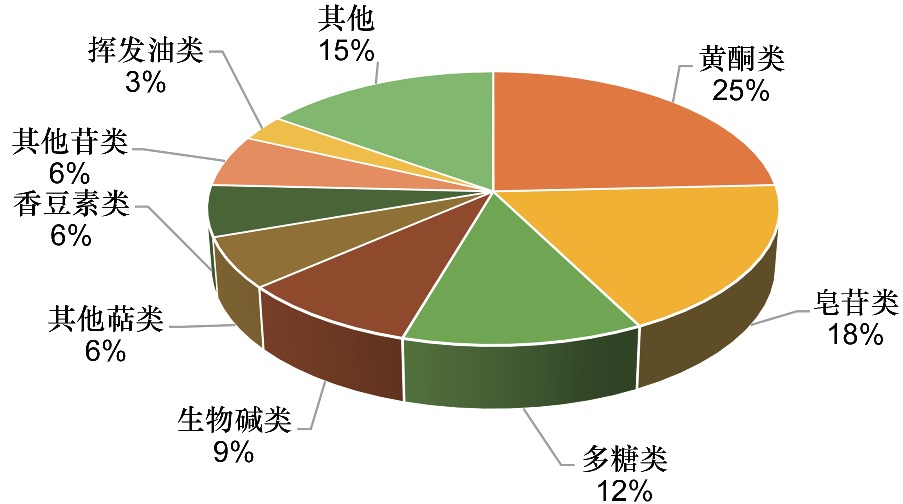
Novel Drug Development for Traditional Chinese Medicine: A Review of Recent Advances and Future Perspectives

Authors: Zhang Wei, Li Na, Wang Fang, Chen Yu

Traditional Chinese Medicine (TCM) has a long history of clinical use, and its modernization is crucial for global acceptance. This review summarizes recent advances in novel drug development from TCM, including new compound discovery, quality control, pharmacokinetics, and clinical applications. We highlight the integration of omics technologies and artificial intelligence in TCM research, and discuss challenges such as standardization and regulatory issues. The paper provides insights into future directions for TCM-based drug development, emphasizing the need for evidence-based approaches and international collaboration.

Novel Drug Development for Traditional Chinese Medicine: A Review of Recent Advances and Future Perspectives
Graphical Abstract