Immunopathological characteristics and therapeutic effects of UC-MSCs in a pigeon breeder’s lung mouse model
Authors: Jingran Xu, Li Li, Yaping Zhou, Zulipikaer Abudureheman, Lexin Xue, Chao Wu, Xiaoguang Zou
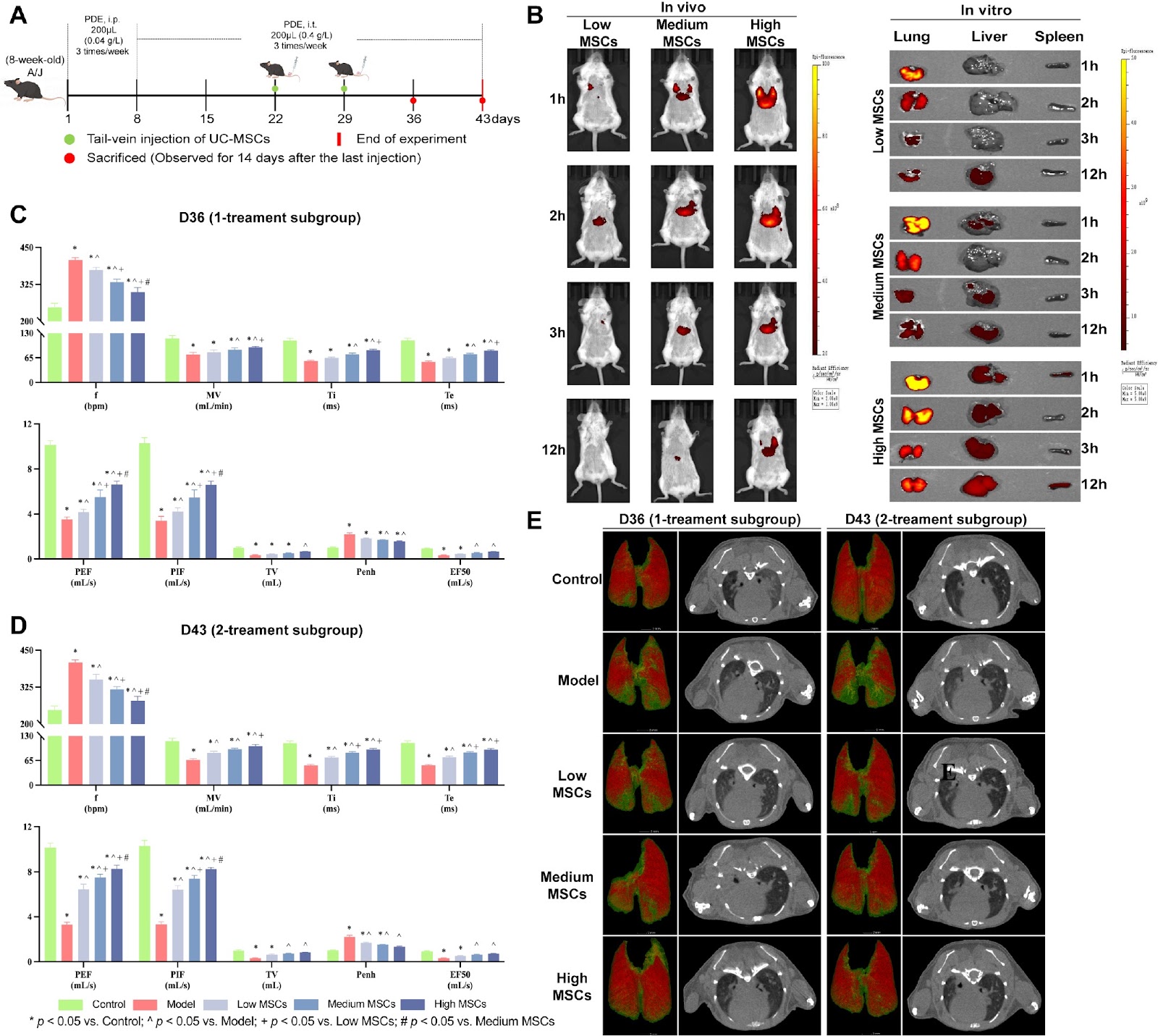
Hypersensitivity pneumonitis (HP), including pigeon breeder’s lung (PBL), often progresses from acute inflammation to fibrosis, impairing lung function and limiting targeted therapeutic strategies. Mechanistic studies on PBL progression are limited by the lack of preclinical animal models and a predominant focus on patient data. This study explores the immunopathological characteristics of all stages of PBL in mice and evaluates the therapeutic potential of human umbilical cord-derived mesenchymal stem cells (UC-MSCs) during the non-fibrotic stage. PBL models are created in A/J mice through tracheal instillation of pigeon dropping extract (PDE) protein powder. Different doses (0.4 × 10⁶, 0.8 × 10⁶, and 1.6 × 10⁶ cells per animal) and frequencies (1–2 times) are administered to the model. The immunopathological characteristics of PBL and the therapeutic effects of UC-MSCs are assessed using micro-CT, pulmonary function, histopathology, cell counts in BALF, HYP levels, inflammatory factor levels, immunohistochemistry, and fibrosis marker expression in lung tissues. The results show that PDE exposure consistently impairs pulmonary function and increases the levels of inflammation and fibrosis markers as the disease progresses. Model mice experience non-fibrotic stages (acute inflammation) from days 0–36, mild fibrosis from days 37–77, and severe fibrosis from day 78 onwards. UC-MSCs, particularly at the highest dose (1.6 × 10⁶ cells), effectively treat non-fibrotic PBL by improving pulmonary function (lung ventilation area recovers) and reducing inflammation and fibrosis. This study successfully establishes PBL mouse models reflecting both the acute (inflammatory) and chronic (fibrotic) stages, and UC-MSCs have the potential to delay fibrosis, providing new therapeutic options for PBL and other inflammation-induced lung fibrotic diseases.