Key Takeaways & Executive Findings
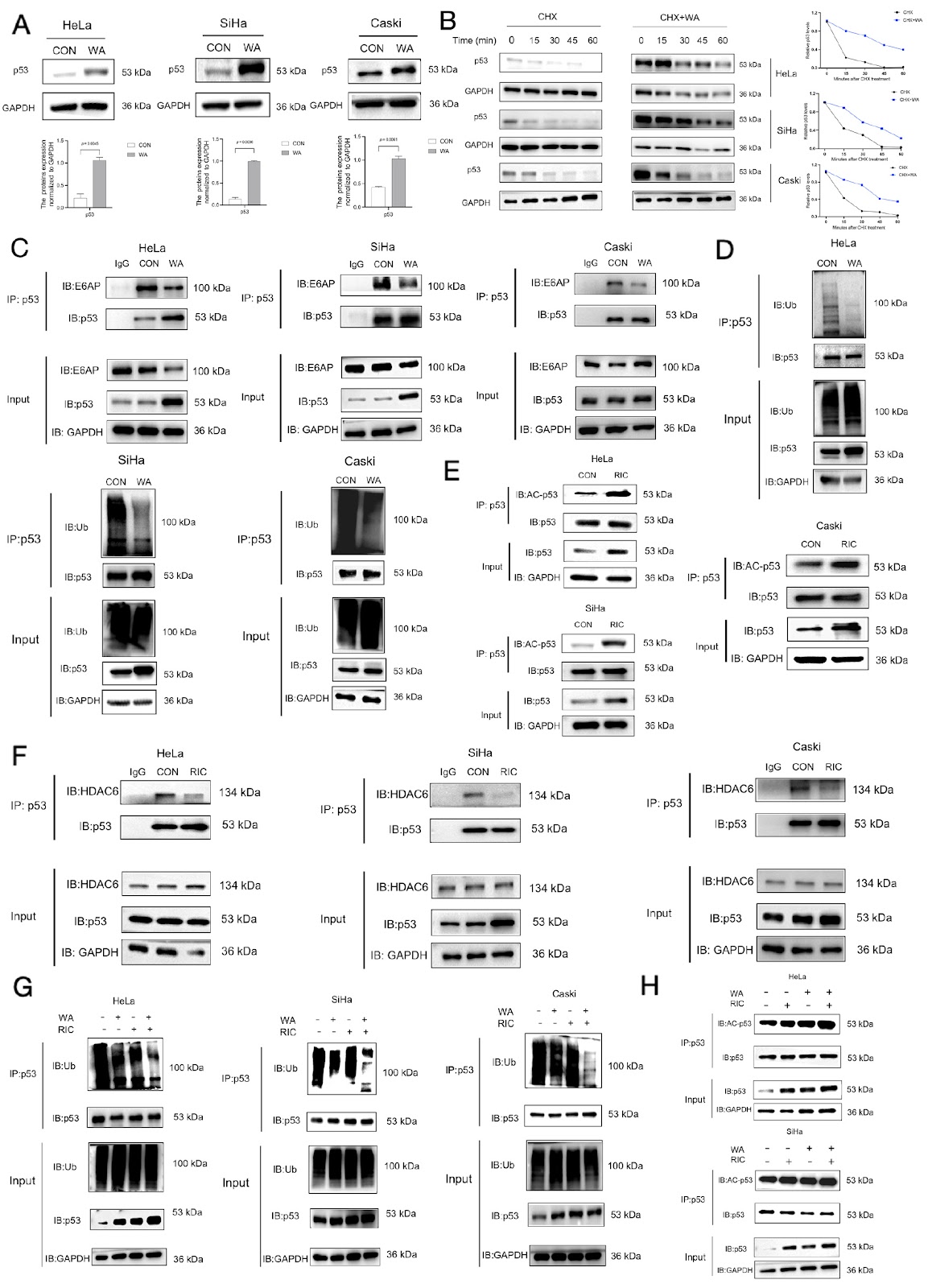
- •• • Combination of WA and RIC yields a combination index (CI) < 1 in HeLa, SiHa, and Caski cells, indicating synergistic inhibition of cell viability; this synergy is critical for reducing effective doses and minimizing off-target toxicity in clinical settings. • • WA treatment for 24 h disrupts the p53-E6AP interaction, decreasing p53 ubiquitination; this directly addresses the primary degradation pathway in HPV-positive cervical cancer, potentially restoring p53 tumor-suppressive function. • • RIC treatment for 24 h inhibits HDAC6-mediated deacetylation, increasing p53 acetylation; elevated acetylation enhances p53 stability and transcriptional activity, a mechanism that complements ubiquitination blockade. • • The combination extends p53 half-life beyond 60 min in cycloheximide chase assays, compared to rapid degradation in controls; this sustained stabilization is essential for mounting an effective apoptotic response and overcoming the short half-life bottleneck of wild-type p53 in cervical cancer.
China Biomedical & Cell Therapy Radar
Get verified English translations, SEM micrographs & open-access PDF alerts from China's leading state key laboratories delivered to your inbox every Monday at 08:00 EST.
Abstract
Cervical cancer remains a leading cause of cancer-related mortality among women, with high-risk HPV-positive cases constituting 99% of instances. Despite wild-type p53 expression, its tumor-suppressive function is crippled by E6AP-mediated ubiquitination and HDAC6-driven deacetylation, resulting in rapid degradation and low steady-state levels. This study evaluates a combinatorial strategy employing the natural product withaferin A (WA) and the HDAC6 inhibitor ricolinostat (RIC) to simultaneously target p53 ubiquitination and acetylation in HeLa, SiHa, and Caski cervical cancer cells. Dose-response CCK-8 assays established that both agents inhibit proliferation in a dose-dependent manner. Combination treatment significantly reduced cell viability compared to monotherapies, with CompuSyn analysis yielding a combination index (CI) below 1, confirming synergy. Colony formation assays further demonstrated a marked decrease in clonogenic survival. Mechanistically, WA disrupted the p53-E6AP interaction, reducing p53 ubiquitination, while RIC inhibited HDAC6-mediated deacetylation, increasing p53 acetylation. The dual treatment stabilized p53, as evidenced by extended half-life in cycloheximide chase assays. These findings suggest that concurrent modulation of p53 post-translational modifications via WA and RIC offers a potent therapeutic avenue for cervical cancer, meriting further preclinical development.
1. Introduction
Cervical cancer treatment faces a persistent clinical challenge: despite the presence of wild-type p53 in the majority of HPV-positive tumors, its tumor-suppressive activity is rapidly abrogated by E6AP-mediated ubiquitination and HDAC6-mediated deacetylation. Current standard-of-care therapies, including platinum-based chemotherapy and radiation, often fail to achieve durable responses due to p53 degradation and subsequent chemoresistance. The inability to maintain sufficient p53 protein levels within tumor cells represents a critical bottleneck, as p53's short half-life and low steady-state concentrations preclude effective apoptosis induction.
This study introduces a dual-targeting strategy that combines withaferin A (WA), a natural product that disrupts the p53-E6AP interaction, with ricolinostat (RIC), a selective HDAC6 inhibitor that prevents p53 deacetylation. By concurrently blocking ubiquitination and enhancing acetylation, the protocol aims to stabilize p53 and restore its tumor-suppressive functions. The experimental design rigorously evaluates this combination in HeLa, SiHa, and Caski cervical cancer cell lines, employing CCK-8, colony formation, co-immunoprecipitation, and western blot analyses to quantify synergistic effects and molecular mechanisms. The results demonstrate a combination index below 1, confirming synergy, and provide a mechanistic rationale for advancing this combination into preclinical development.
Loading authentic research manuscript (Pages 1–5)...
CHEN Tian, XU Yiting, YANG Kunming, DU Yutong, ZHU Zhuan, XU Lingling, WANG Xinrong, YIN Yi, HU Yu, WANG Chengcheng, HU Ronggui, LI Chuanyin (2025). Withaferin A combined with ricolinostat: a potent synergistic therapy for cervical cancer through regulating p53 ubiquitination and acetylation. Acta Biochimica et Biophysica Sinica. https://doi.org/10.3724/abbs.2025048
Research & Educational Purpose Only: The translations, structured abstracts, analytical annotations, and data reports provided by SinoBioDataare intended exclusively for academic research, internal corporate R&D, and educational benchmarking. They do not constitute formal engineering, chemical safety, legal, or professional advice.
Copyright & Intellectual Property Notice: Original copyright of the underlying source articles and experimental data remains with the respective authors, institutions, and original publishing journals. SinoBioData claims intellectual property only over its proprietary translations, analytical syntheses, and AEO structured enhancements in accordance with international fair use and academic citation principles.
Frequently Asked Questions
What is the quantitative synergy metric for the WA and RIC combination, and how does it compare to monotherapies?
CompuSyn analysis yielded a combination index (CI) of less than 1 across HeLa, SiHa, and Caski cells, indicating synergy. This CI value, derived from CCK-8 assays after 24 h treatment, demonstrates that the combination achieves greater than additive inhibition of cell viability compared to WA or RIC alone, allowing for dose reduction and potentially mitigating single-agent toxicity.
How does WA mechanistically affect p53 ubiquitination, and what evidence supports this?
WA disrupts the interaction between p53 and E6AP, as shown by co-immunoprecipitation followed by western blot. This disruption leads to decreased p53 ubiquitination, directly addressing the E6AP-mediated degradation pathway prevalent in HPV-positive cervical cancer. The reduction in ubiquitination was observed after 24 h of WA treatment, correlating with increased p53 stability.
What is the effect of RIC on p53 acetylation, and how does it contribute to p53 stabilization?
RIC inhibits HDAC6, resulting in increased p53 acetylation as detected by western blot after 24 h treatment. Acetylation of p53 prevents its recognition by ubiquitin ligases and enhances its transcriptional activity. This modification, combined with reduced ubiquitination from WA, leads to a synergistic stabilization of p53, as evidenced by extended half-life in cycloheximide chase assays.
What is the observed impact of the combination on p53 half-life, and why is this clinically relevant?
In cycloheximide chase assays, the combination of WA and RIC extended p53 half-life beyond 60 minutes, whereas control cells exhibited rapid degradation. This stabilization is clinically relevant because sustained p53 levels are necessary to trigger apoptosis and cell cycle arrest in tumor cells. The extended half-life directly correlates with the synergistic reduction in cell viability and clonogenic survival.
Are there any dose-limiting toxicities or scalability concerns for this combination?
The study did not report overt cytotoxicity in normal cells at effective doses, but further preclinical toxicology is warranted. Scalability of withaferin A extraction and ricolinostat synthesis is feasible, but cost parity with existing chemotherapies remains to be established. The synergy allows for lower doses of each agent, potentially reducing adverse effects and improving the therapeutic window.
Related Chinese Research & Cross-Citations
miR-199a-3p suppresses Vldlr expression to promote cardiomyocyte proliferation
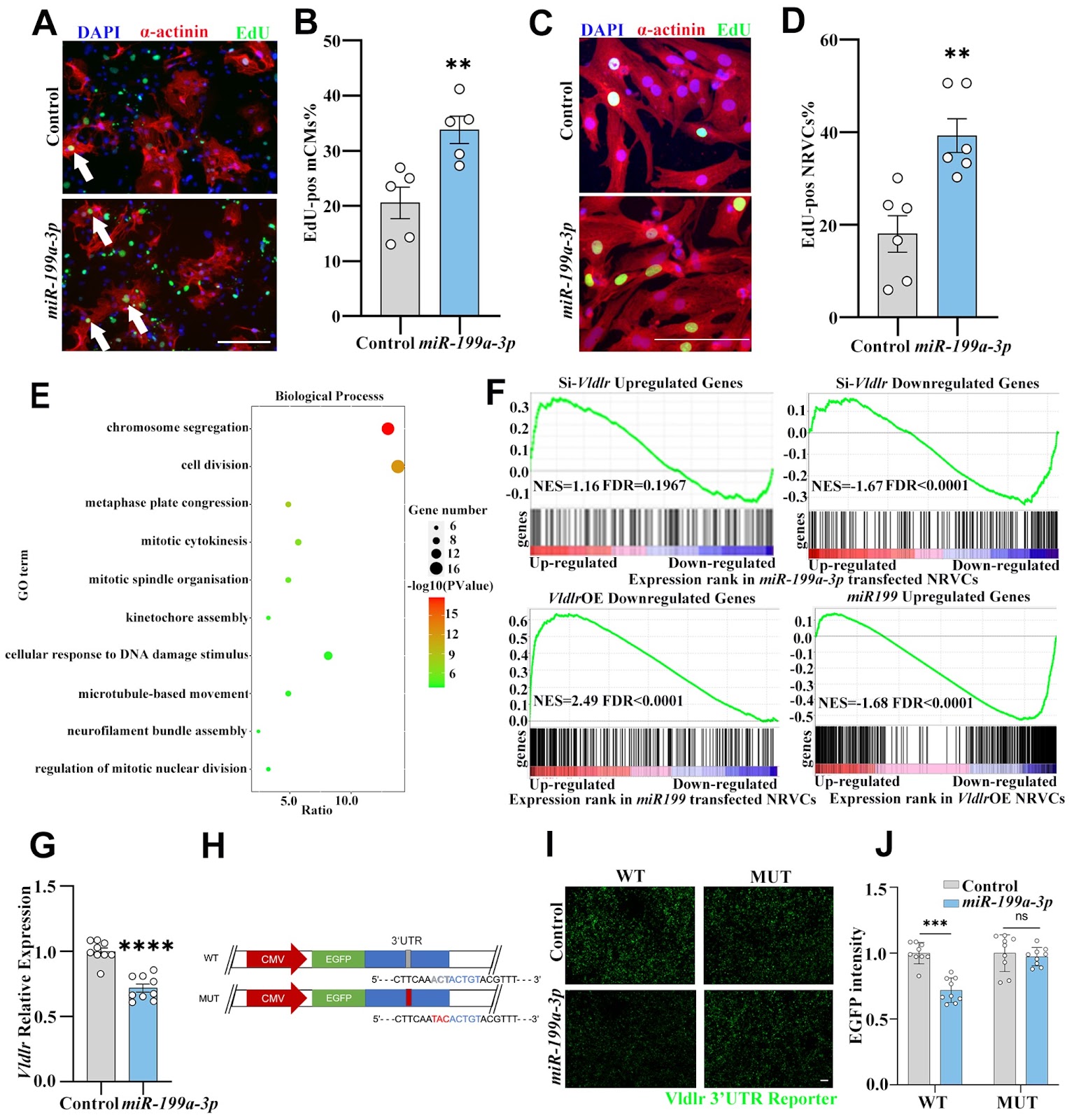
The proliferative capacity of cardiomyocytes is limited in adult mammals, and replacing lost tissue following acute ischemic injury is challenging. Previous studies have demonstrated that miR-199a-3p can promote cardiomyocyte proliferation, but the exact mechanism by which this occurs remains unclear, although multiple targets of miR-199a-3p have been identified. We recently showed that very-low-density-lipoprotein receptor (Vldlr) inhibits cardiomyocyte proliferation, and in this study we aim to test whether Vldlr is a functional target gene of miR-199a-3p. 3′UTR reporter assays demonstrate that miR-199a-3p directly binds to the 3′UTR of Vldlr and inhibits its translation. Overexpressing Vldlr blunts the pro-proliferative effect of miR-199a-3p on cardiomyocytes, suggesting that Vldlr is indeed a functional target of miR-199a-3p. Mechanistically, Vldlr reduces S807/811 phosphorylation of RB1, and inhibiting CDK4/6 to prevent RB1 phosphorylation can block the pro-proliferative effect of both Vldlr knockdown and miR-199a-3p, suggesting that RB1 phosphorylation is required for the cardiomyocyte proliferation induced by miR-199a-3p and Vldlr knockdown. The findings of this study reveal Vldlr as a novel functional target of miR-199a-3p in cardiomyocytes and identify RB1 as a downstream effector of cardiomyocyte proliferation. The identification of the role of the miR-199a-3p-Vldlr-RB1 axis in cardiomyocyte proliferation may provide potential therapeutic targets for cardiac regenerative medicine.
A positive feedback loop between FOSB and miR-133b controls colon cancer cell proliferation
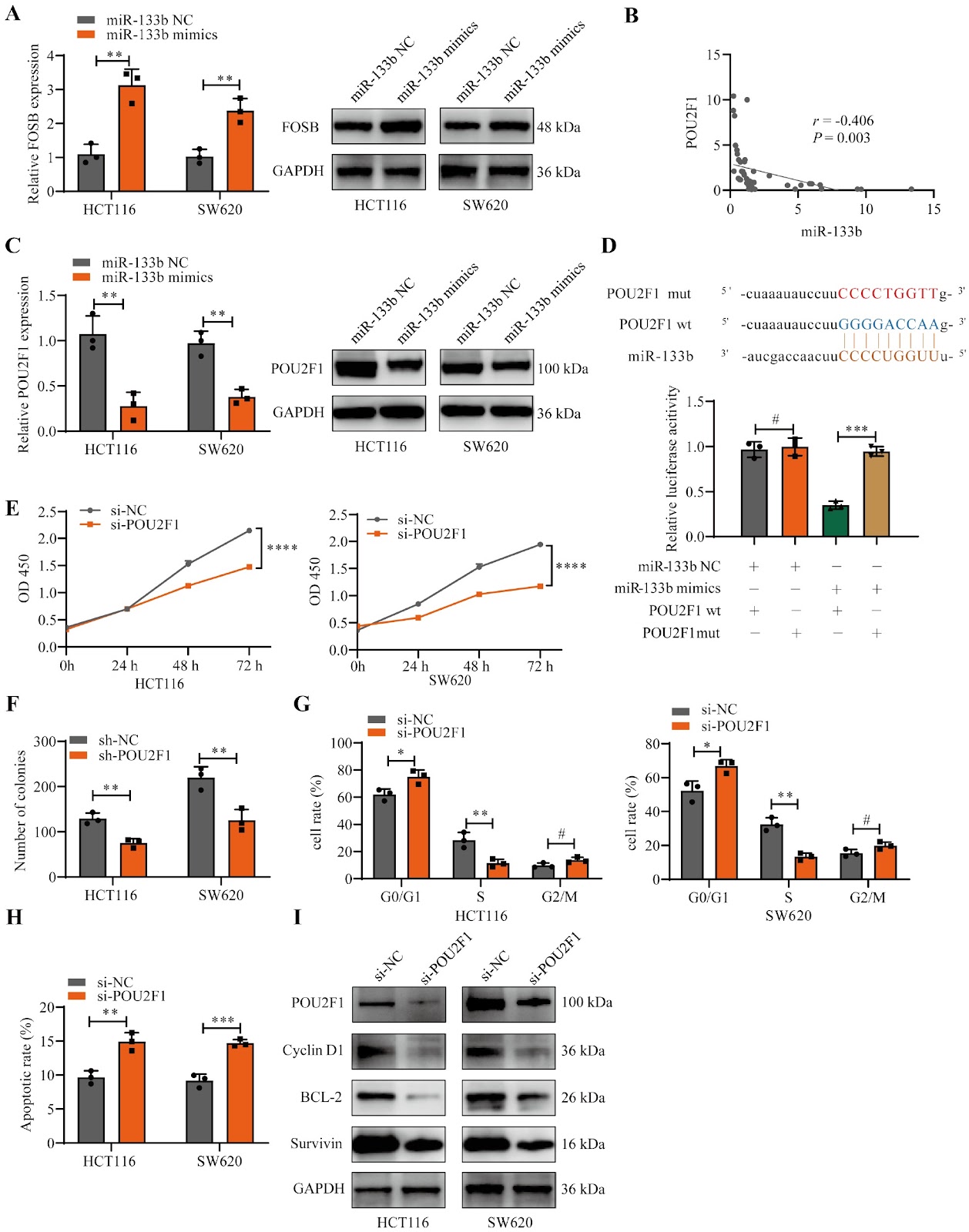
FOSB, a member of the FOS gene family, forms heterodimers with JUN family proteins to engage in diverse cellular processes. Its biological impacts vary among different types of tumors, yet its specific function in colon cancer (CC) remains ambiguous. In this study, quantitative real-time PCR (qRT-PCR) and immunohistochemistry (IHC) are applied to measure FOSB expression levels, followed by an analysis of the association between FOSB expression and patients’ clinical parameters. In vitro experiments are performed to assess cell proliferation, including growth rate, cell cycle distribution, and apoptosis. A subcutaneous xenograft model in nude mice is utilized to monitor tumor growth in vivo. Additionally, chromatin immunoprecipitation (ChIP) and luciferase reporter assays are conducted to dissect the interactions among FOSB, miR-133b, and POU2F1. The results indicate that FOSB expression is downregulated in CC tissues relative to normal controls. Overexpression of FOSB suppresses proliferation and promotes apoptosis in CC cells. Mechanistically, FOSB binds to the promoter region of miR-133b, enhancing its transcription and subsequently repressing POU2F1 expression. Notably, decreased POU2F1 expression also alleviates the transcriptional repression of the FOSB promoter region, establishing a FOSB-miR-133b-POU2F1 feedback loop that inhibits CC proliferation. In summary, our findings suggest that FOSB acts as a tumor suppressor gene in CC and may exert its inhibitory effects on CC growth via the FOSB-miR-133b-POU2F1 feedback loop.
Reduced expression of the PER2 protein contributes to β1-AA-induced cardiac autophagy rhythm disorders
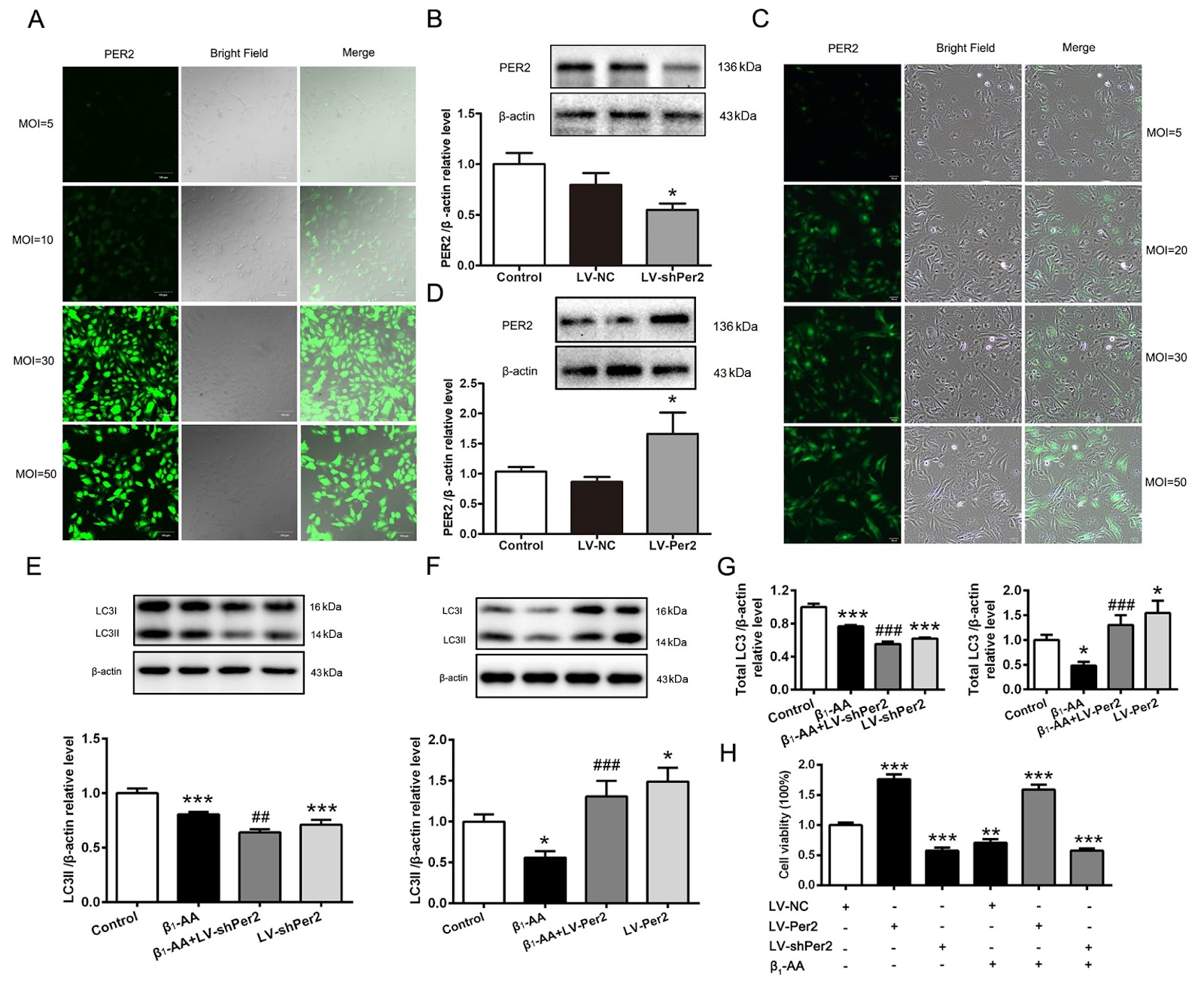
Heart failure may be linked to fluctuations in the rhythm of autophagy in cardiomyocytes throughout the day. Circadian rhythms depend on the regulation of core biological clock proteins, with PER2 playing a crucial role. Our previous research confirmed that the presence of β1-adrenergic receptor autoantibodies (β1-AAs) could inhibit myocardial autophagy, leading to cell death and heart failure. However, it remains unclear whether β1-AA induces cardiac autophagy rhythm disorders by affecting PER2 expression. In this study, we find that β1-AA disrupts the autophagy rhythm in cardiomyocytes, which is primarily indicated by decreased expression of the autophagy marker protein LC3. β1-AA disrupts the rhythmic expression of the PER2 protein in myocardial cells, which is manifested mainly by a decrease in PER2 protein expression. Metoprolol is used to verify that the β1-adrenergic receptor contributes to the reduction in the Per2 protein caused by β1-AA. Knockdown of Per2 with lentivirus reduces the inhibition of LC3 expression caused by β1-AA, whereas overexpression of Per2 in cardiomyocytes using lentivirus significantly restores the β1-AA-induced decrease in LC3 expression. Moreover, mTORC1 activation is found to participate in β1-AA-induced autophagy inhibition in cardiomyocytes after pretreatment with the mTORC1 inhibitor rapamycin. Furthermore, the decreased expression of the PER2 protein caused by β1-AA disrupts the myocardial autophagy rhythm by promoting mTORC1 activation through lentiviruses that knock down or overexpress the Per2 gene. This study provides an experimental basis for the precise treatment of cardiovascular diseases from the perspective of biological rhythm.
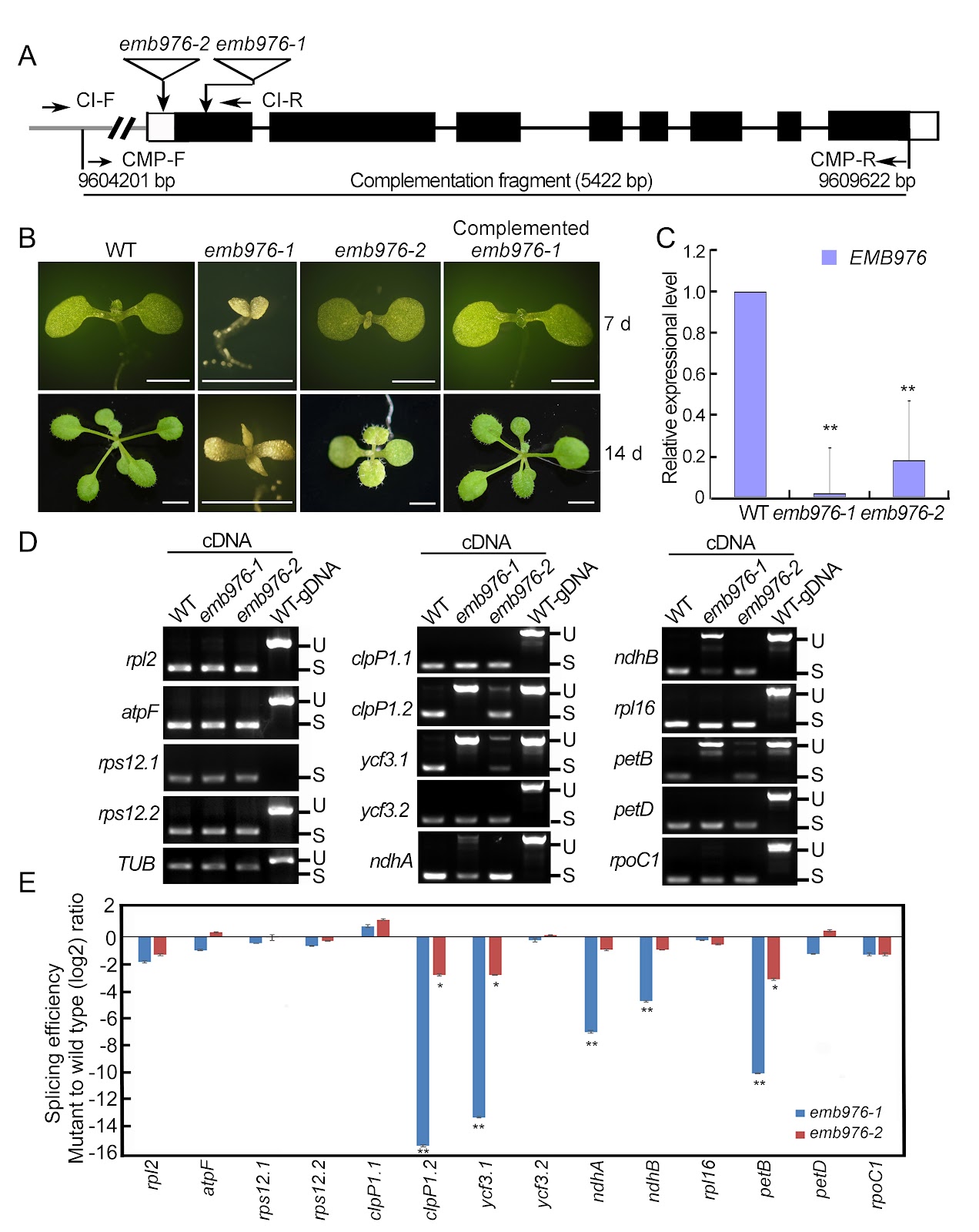
A protein-RNA complex orchestrated by EMB1006, EMB1270, EMB976, and CFM2 facilitates clpP1 intron 2 splicing in Arabidopsis chloroplasts
In Arabidopsis, the PPR proteins EMB1006, EMB1270, and EMB976 are all essential for the splicing of plastid clpP1 intron 2 (clpP1.2), although each also targets other distinct RNAs. The precise mechanism underlying their co-ordinated action in clpP1.2 splicing remains unclear. In this study, RNA electrophoretic mobility shift assays, guided by PPR code prediction, confirm that EMB1006 specifically binds to a sequence near the 3′ end of clpP1 exon 2. Additionally, immunoprecipitation coupled with mass spectrometry reveals that EMB1006 forms a complex with EMB1270, EMB976, and CFM2. Direct interactions between EMB1006 and EMB1270 or CFM2 are further supported by yeast two-hybrid (Y2H) and semi-in vivo pull-down assays. However, no direct interactions between EMB976 and EMB1006, CFM2 or EMB1270 are detected by Y2H. Based on these findings and previous evidence that EMB1270 binds to clpP1 intron 2 and interacts with CFM2, we propose a model in which EMB1006 and EMB1270 bind to distinct sites on clpP1 pre-mRNA. Together with CFM2 and possible indirect association with EMB976, they assemble into a protein-RNA complex that facilitates the splicing of clpP1.2 in chloroplasts.
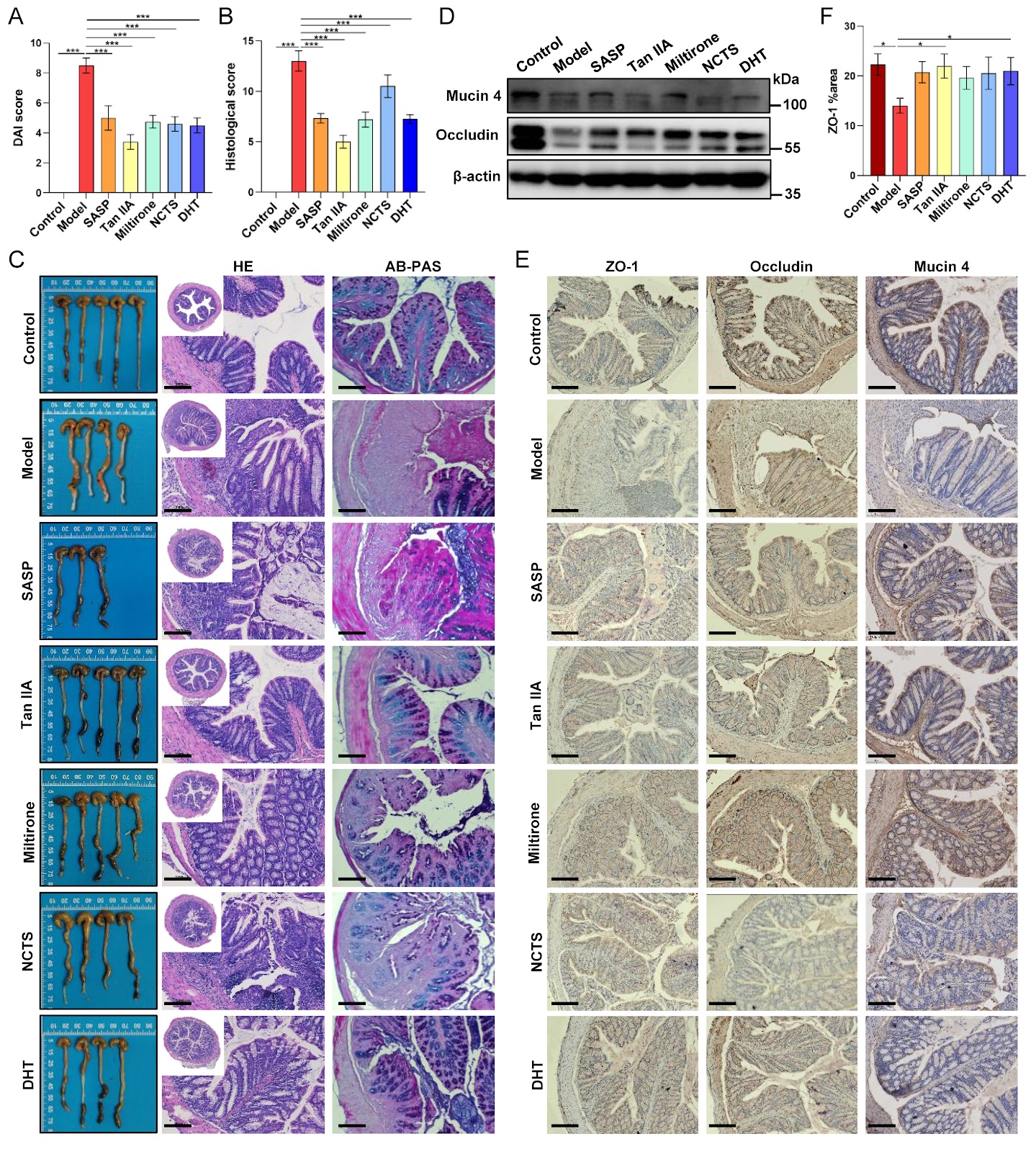
Tanshinones from Salvia miltiorrhiza alleviate ulcerative colitis via reprogramming the gut microbiota-metabolite axis
The anti-inflammatory properties of the traditional herb Salvia miltiorrhiza Bunge are well-established, yet its precise mechanism of action in ulcerative colitis (UC) remains unclear. Herein, we evaluate the therapeutic potential of four major tanshinones–tanshinone IIA (Tan IIA), miltirone, neocryptotanshinone, and dihydrotanshinone I–in a murine dextran sulfate sodium (DSS)-induced colitis model. Our results show that tanshinones effectively alleviate disease severity, suppress systemic and local inflammation, and restore intestinal barrier integrity. Integrated multi-omics analysis reveals that the therapeutic efficacy originates from a comprehensive reprogramming of the gut microbiota-metabolite axis. Specifically, tanshinones reverse colitis-associated dysbiosis and rectify metabolic disturbances in linoleic acid metabolism, bile acid biosynthesis, and amino acid utilization. Correlation network analysis identifies key functional modules linking beneficial microbes (e.g., Akkermansia) to anti-inflammatory lipid mediators and associating pathobionts (e.g., Desulfovibrio) with disrupted bile acid metabolism. Notably, supplementation with Akkermansia muciniphila synergizes with Tan IIA to amplify barrier restoration and metabolic normalization. Our findings establish that tanshinones ameliorate UC through microbiota-driven metabolic reprogramming, wherein the restructured microbial community actively shapes a therapeutic metabolic output. This work elucidates a metabolite-mediated mechanism of action and positions tanshinones as promising microbiome-targeting therapeutics for inflammatory bowel disease.
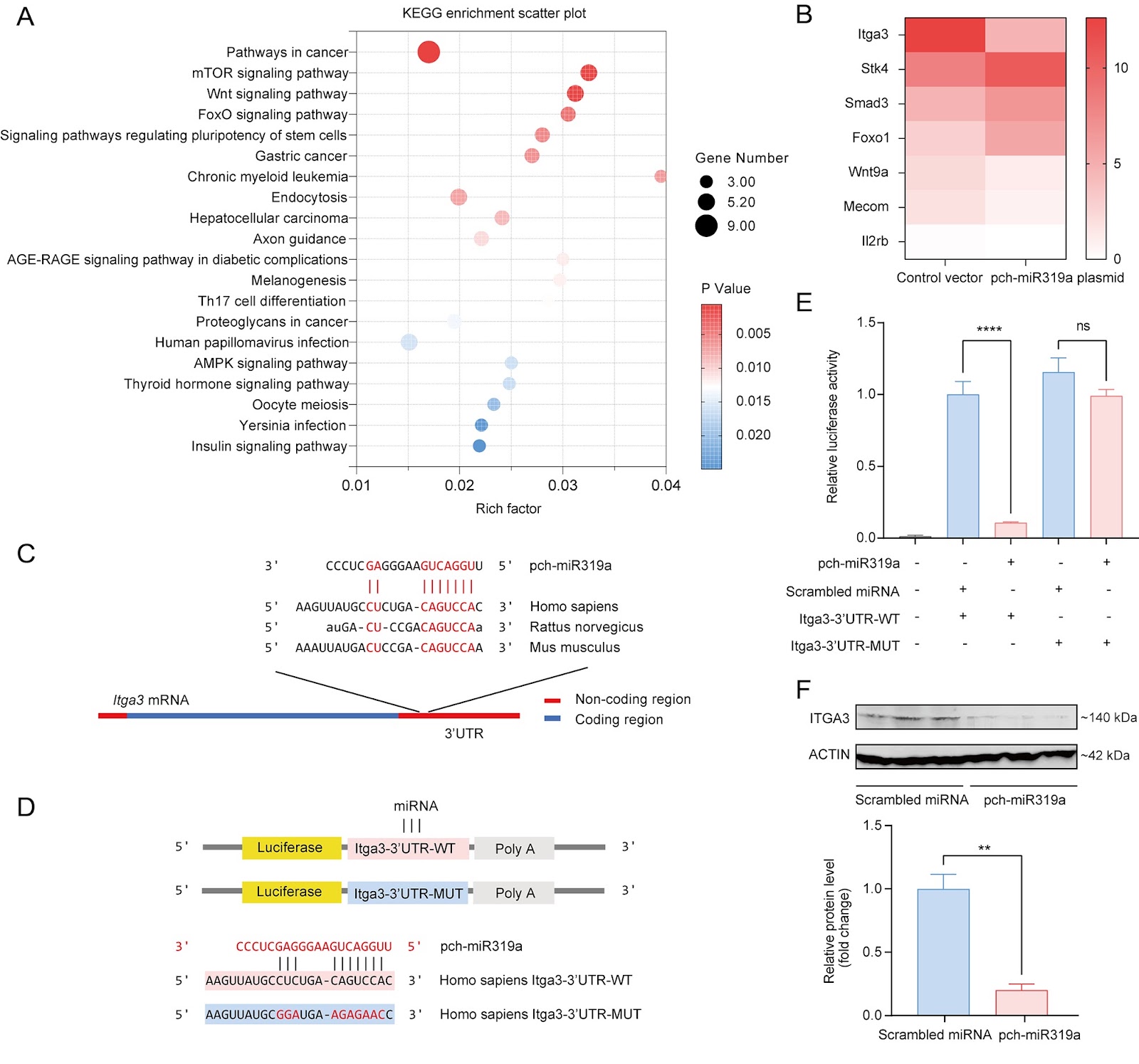
Distinct miR319a identified from Persicaria chinensis mediates cross-kingdom suppression of cervical cancer by targeting ITGA3
Persicaria chinensis, a well-known traditional Chinese medicinal herb that is both edible and medicinal, has been widely acknowledged for its therapeutic effects, such as anti-inflammatory, antioxidant, and antitumor activities. However, the role of miRNAs from this plant in the cross-kingdom regulation of human diseases has not been investigated. In this study, we analyze the miRNA expression profile of P. chinensis using high-throughput sequencing and identify a total of 673 miRNAs, including 422 novel miRNAs that are unique to this plant and 251 conserved miRNAs. Among the conserved miRNAs, pch-miR319a is found to be the most abundant. Moreover, food-oriented pch-miR319a accumulates in the uterus and tumors and exhibits a rich repertoire of target genes within cancer-related pathways, demonstrating significant cross-kingdom regulatory potential. Utilizing the dual-luciferase reporter gene assay, we demonstrate that pch-miR319a from P. chinensis targets the Itga3 gene, which is associated with cervical cancer progression. Overexpression of pch-miR319a significantly decreases the viability, migration, and induces apoptosis of HeLa cervical cancer cells in vitro. Moreover, in a syngeneic mouse tumor model of cervical cancer, treatment with pch-miR319a effectively inhibits tumor growth and downregulates the expressions of ITGA3 and the proliferation marker Ki-67. Our study highlights the potential of pch-miR319a from P. chinensis as a novel therapeutic agent for cervical cancer by targeting ITGA3 and provides new insights into the cross-kingdom regulatory mechanisms of plant miRNAs in human diseases.