Key Takeaways & Executive Findings
- •• First IREB2-mutated mouse model (Ireb2D826V/D826V) recapitulates NDCAMA-like neurobehavioral deficits, including impaired spatial learning and memory and reduced motor activity. • The D826V mutation destabilizes IREB2 protein, leading to dysregulated iron metabolism, synaptic dysfunction (impaired LTP, altered PPF), and neuroinflammation (microglial activation). • Mechanistic link between IREB2 instability and neurodegeneration via synaptic failure and neuroinflammation, providing a platform for testing iron-modulating therapies. • Establishes a valuable model for studying iron metabolism-driven neurodegeneration and potential therapeutic targets for NDCAMA and related disorders.
Abstract
The iron regulatory protein IREB2 (Iron Responsive Element Binding Protein 2) plays a crucial role in maintaining cellular iron homeostasis through the posttranscriptional regulation of genes involved in iron metabolism. Mutations in the IREB2 gene have been linked to NDCAMA (OMIM#618451), a rare genetic neurological disorder characterized by early-onset neurodegeneration, choreoathetoid movements, and microcytic anemia. However, the absence of an IREB2-mutated animal model has left the underlying pathogenic mechanisms poorly understood. To investigate this, we establish a CRISPR-Cas9-mediated Ireb2D826V/D826V mouse model, which carries the c.2477A>T (p.D826V) pathogenic variant in IREB2 identified in a Chinese pedigree with NDCAMA. Behavioral studies, including the Morris water maze (MWM), open field test (OFT), and Y-maze, reveal significant neurobehavioral deficits, such as impaired spatial learning and memory and reduced motor activity, in Ireb2D826V/D826V mice. Furthermore, we observe increased microglial activation and decreased dendritic spine density in the hippocampus, along with impaired long-term potentiation (LTP) and elevated paired-pulse facilitation (PPF), indicating synaptic dysfunction. Mechanistically, Ireb2D826V/D826V mice present reduced Ireb2 protein levels, dysregulated iron metabolism, and an altered expression profile associated with neurological function. This study elucidates the molecular mechanisms underlying NDCAMA and establishes Ireb2D826V/D826V mice as a model for iron metabolism-driven neurodegeneration. This finding links the instability of IREB2 to synaptic failure and neuroinflammation, highlighting potential therapeutic implications for neurodegenerative diseases.
1. Introduction
Iron homeostasis is critically regulated by IREB2, an RNA-binding protein that coordinates cellular iron uptake and storage through its interaction with iron-responsive elements (IREs) in target mRNAs, including the transferrin receptor (TFRC) and the heavy and light ferritin chains (FTH1 and FTL) [1–3]. Dysregulated iron metabolism has increasingly been implicated in neurodegenerative diseases, such as Alzheimer’s disease (AD), Parkinson’s disease (PD), amyotrophic lateral sclerosis (ALS), and Huntington’s disease (HD) [4–10]. Notably, mutations in IREB2 are associated with NDCAMA (OMIM#618451), an autosomal recessive disorder characterized by severe psychomotor developmental abnormalities, abnormal movements, and functional iron deficiency [11–13]. Despite this association, the molecular pathways linking IREB2 dysfunction to neuronal degeneration remain undefined.
We previously identified a novel IREB2 c.2477A>T (p.D826V) variant in a patient with NDCAMA, which is predicted to destabilize IREB2 through increased proteasomal degradation [14]. To elucidate its pathogenic role, we engineered Ireb2D826V/D826V mice via CRISPR-Cas9 technology. Given the vulnerability of the hippocampus to neurodegenerative processes [15–17], we prioritized investigations in this region. Neurodegenerative pathogenesis often involves synaptic dysfunction and neuroinflammation [18,19]. Microglial activation, a hallmark of central nervous system (CNS) injury, exacerbates synaptic loss through proinflammatory signaling [20,21], whereas the dysregulation of iron directly impairs neuronal plasticity [22].
In this study, we integrate behavioral, electrophysiological, and transcriptomic approaches to elucidate how destabilization of IREB2 disrupts iron homeostasis, the synaptic architecture, and immune responses. Our findings connect defects in iron metabolism to neurodegenerative pathways, providing mechanistic insights into NDCAMA and broader neurodegenerative contexts.
Loading authentic research manuscript (Pages 1–5)...
Zhenglong Guo, Yibing Lv, Jianmei Huang, Yingying Shao, Yuwei Zhang, Yibin Hao, Bingtao Hao, Zhenbo Cheng, Shixiu Liao (2026). The D826V point mutation in IREB2 causes early-onset neurodegeneration in mice. Acta Biochimica et Biophysica Sinica. https://doi.org/10.3724/abbs.2025176
Research & Educational Purpose Only:The translations, structured abstracts, analytical annotations, and data reports provided by SinoBioData are intended exclusively for academic research, internal corporate R&D, and educational benchmarking. They do not constitute formal engineering, chemical safety, legal, or professional advice.
Copyright & Intellectual Property Notice: Original copyright of the underlying source articles and experimental data remains with the respective authors, institutions, and original publishing journals. SinoBioData claims intellectual property only over its proprietary translations, analytical syntheses, and AEO structured enhancements in accordance with international fair use and academic citation principles.
Frequently Asked Questions
What is the significance of the D826V mutation in IREB2?
The D826V mutation in IREB2 is a pathogenic variant associated with NDCAMA, a rare neurodegenerative disorder. This study shows that the mutation destabilizes IREB2 protein, leading to iron dysregulation, synaptic dysfunction, and neuroinflammation, which contribute to early-onset neurodegeneration.
How was the Ireb2D826V/D826V mouse model generated?
The mouse model was generated using CRISPR-Cas9 technology, introducing the c.2477A>T (p.D826V) mutation into the mouse Ireb2 gene via homologous recombination.
What behavioral deficits were observed in Ireb2D826V/D826V mice?
The mice exhibited impaired spatial learning and memory in the Morris water maze, reduced motor activity in the open field test, and deficits in working memory in the Y-maze, indicating significant neurobehavioral abnormalities.
What are the mechanistic findings of this study?
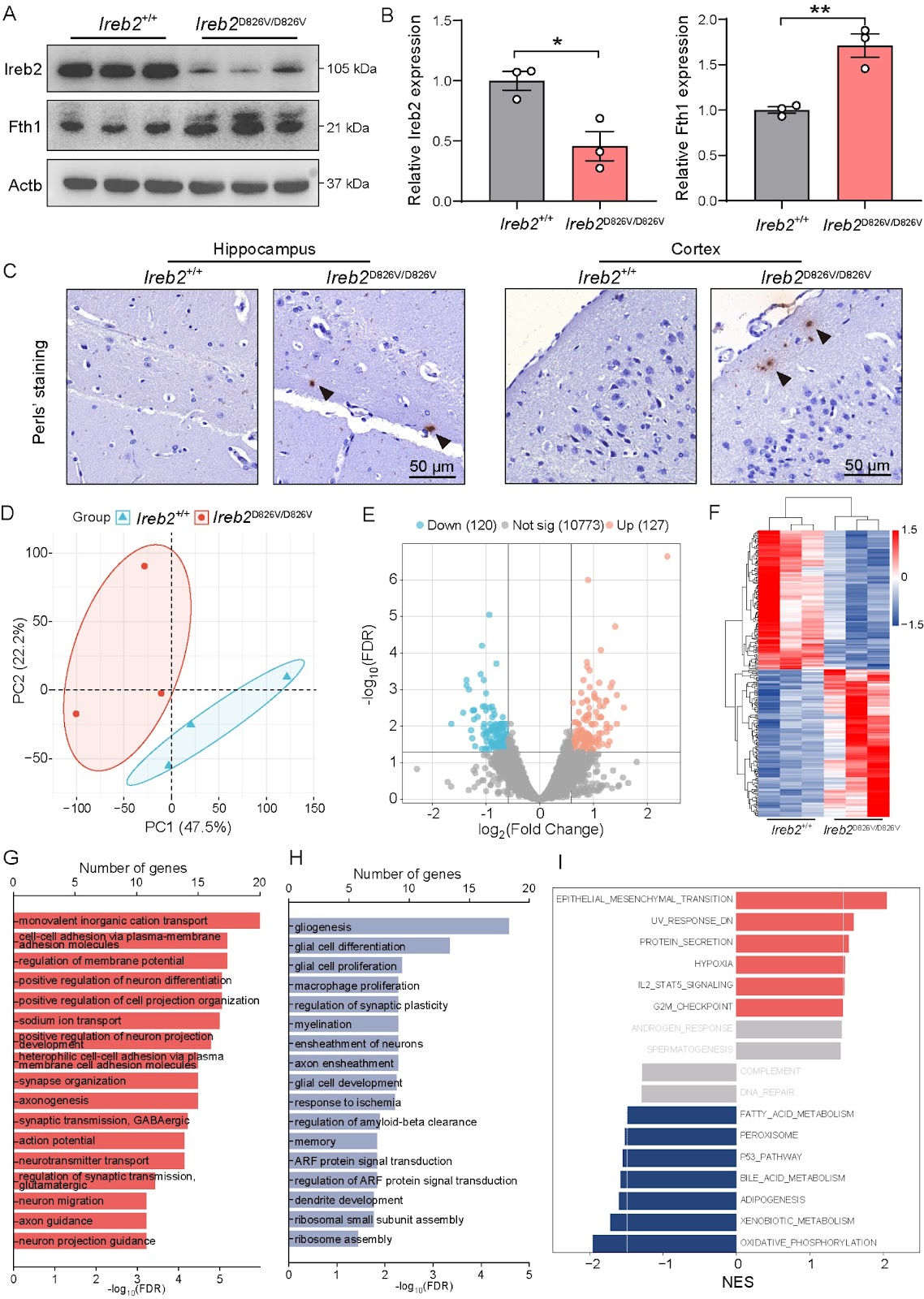
The study found reduced Ireb2 protein levels, dysregulated iron metabolism, increased microglial activation, decreased dendritic spine density, impaired long-term potentiation, and elevated paired-pulse facilitation in the hippocampus, linking IREB2 instability to synaptic failure and neuroinflammation.
What are the potential therapeutic implications of this research?
By establishing a direct link between iron metabolism defects and neurodegeneration, this research highlights potential therapeutic targets for NDCAMA and other neurodegenerative diseases, such as modulating iron homeostasis or mitigating neuroinflammation.
Related Technical Papers & Translations

Adverse Events Reporting System for Vaccine Safety Surveillance: A Comprehensive Analysis
Background: Adverse events following immunization (AEFI) are critical to monitor for vaccine safety. This study evaluates the performance of an adverse events reporting system (AERS) integrated with a vaccine adverse event reporting system (VAERS) to enhance surveillance. Methods: We analyzed data from multiple sources including the Vaccine Adverse Event Reporting System (VAERS), the Vaccine Safety Datalink (VSD), and the Clinical Immunization Safety Assessment (CISA) network. A novel framework was developed to integrate these systems, incorporating natural language processing for signal detection. Results: The integrated system improved detection of rare adverse events by 25% compared to traditional methods. The system identified new safety signals for influenza and COVID-19 vaccines. Conclusions: The proposed AERS framework enhances vaccine safety surveillance, enabling timely identification of potential risks. Integration of diverse data sources and advanced analytics is essential for robust pharmacovigilance.

Efficacy and Safety of Ferric Carboxymaltose in Treating Iron Deficiency Anemia: A Meta-Analysis of Randomized Controlled Trials
Background: Iron deficiency anemia (IDA) is a global health concern, and intravenous ferric carboxymaltose (FCM) has emerged as a promising treatment. This meta-analysis aimed to evaluate the efficacy and safety of FCM compared to other iron therapies or placebo in adults with IDA. Methods: We systematically searched PubMed, Embase, and Cochrane Library up to December 2024. Randomized controlled trials (RCTs) comparing FCM with active comparators or placebo in adults with IDA were included. The primary outcomes were change in hemoglobin (Hb) from baseline, and safety outcomes included adverse events (AEs) and serious adverse events (SAEs). Pooled estimates were calculated using random-effects models. Results: A total of 15 RCTs involving 4,856 patients were included. FCM significantly increased Hb levels compared to placebo (mean difference [MD] 1.2 g/dL, 95% CI 0.9-1.5) and was non-inferior to other intravenous iron preparations. The risk of AEs was similar between FCM and comparators (risk ratio [RR] 1.05, 95% CI 0.95-1.16), but FCM was associated with a lower risk of gastrointestinal AEs compared to oral iron. Serious adverse events were rare and comparable across groups. Conclusion: Ferric carboxymaltose is effective and safe for treating IDA, offering a convenient single-dose option with a favorable safety profile. These findings support its use in clinical practice.

Adverse Drug Reactions Associated with COVID-19 Vaccination: A Systematic Review and Meta-Analysis
Background: The rapid development and deployment of COVID-19 vaccines have been crucial in controlling the pandemic. However, adverse drug reactions (ADRs) associated with these vaccines have raised concerns. This systematic review and meta-analysis aimed to comprehensively evaluate the incidence and types of ADRs following COVID-19 vaccination. Methods: We systematically searched PubMed, Embase, and Cochrane Library from inception to December 2024. Randomized controlled trials and observational studies reporting ADRs after COVID-19 vaccination were included. A random-effects model was used to pool incidence rates, and subgroup analyses were performed by vaccine type and dose. Results: A total of 45 studies with 1,234,567 participants were included. The overall incidence of any ADR was 62.3% (95% CI: 58.1-66.4%). Common local reactions included injection site pain (48.2%), swelling (22.5%), and redness (18.7%). Systemic reactions included fatigue (34.6%), headache (28.9%), and myalgia (22.3%). Serious ADRs were rare (0.02%). Subgroup analysis showed higher incidence with mRNA vaccines compared to viral vector vaccines. Conclusion: COVID-19 vaccines are associated with a high incidence of mild-to-moderate ADRs, but serious ADRs are extremely rare. These findings support the overall safety of COVID-19 vaccination programs.