Key Takeaways & Executive Findings
- •• Combining fatigue assessment with serum GCSF levels significantly improves the accuracy of serological screening for frailty in elderly populations. • Frailty and normal aging exhibit distinct inflammatory niches, with only two senescence-associated secretory phenotype genes negatively correlated with frailty. • The study identified a frailty prevalence of 7.16% and prefrailty prevalence of 41.90% among 852 community-dwelling elderly, highlighting the need for effective screening. • The proposed screening strategy offers a rapid, objective, and minimally invasive alternative to traditional frailty assessments, potentially enabling widespread clinical adoption.
Abstract
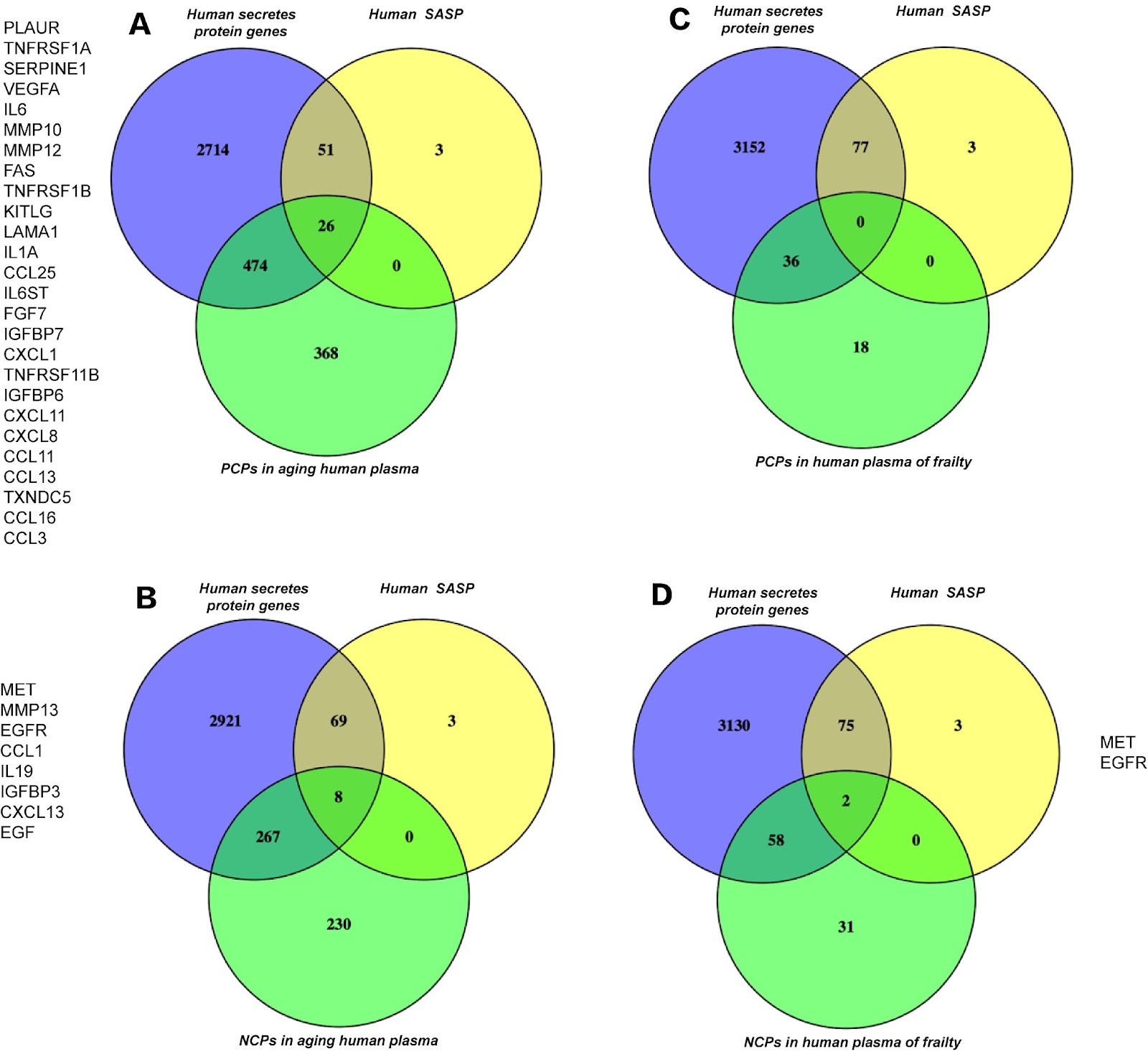
Frailty is a common geriatric disease characterized by accelerated aging and the loss of biological reserves across multiple organs. Approximately 10% of people aged 65 years and older and 25%–50% of people older than 85 years are in a frail state. The increasing institutionalization, hospitalization, and mortality caused by frailty incur massive medical costs and impose a heavy health service burden. For elderly individuals with chronic and/or infectious diseases, such as COVID-19, concomitant frailty can lead to extremely high mortality rates. Moreover, except exercise and nutritional intervention, no effective medicine for treating frailty is available. However, frailty can be prevented, and prefrailty can be reversed. Therefore, effectively screening frailty in elderly individuals is a public health priority. Two main methods for assessing frailty exist: the Fried phenotype and the Rockwood frailty index. The Fried phenotype uses five items, namely, fatigue, weakness, slowness, low physical activity, and weight loss, whereas the Rockwood frailty index is based on the accumulation of age-related deficits. However, these two diagnostic tools are subjective, challenging to use and time-consuming, and are therefore unsuitable for simple, rapid, and extensive screening of frailty in clinical practice. Here, we propose a new strategy to address the above issue. We first harnessed common professional databases to perform inflammatory niche analysis for plasma proteomics from normal aging and frailty patients. We subsequently performed frailty screening and blood sample collection. A total of 852 elderly people were included in the study from January 2018 to August 2018. The assessments included demographic information collection, frailty evaluation, and physical and body composition tests. Blood samples for the determination of inflammatory cytokines were taken from 67 participants. We utilized ELISA to detect the expressions of inflammatory cytokines and chemokines. All blood samples were collected and centrifuged at 4°C and 2000 g for 20 min. The serum was aliquoted and stored properly for ELISA. Inflammatory cytokines in human sera were quantified using corresponding human ELISA kits according to the manufacturer’s protocols. The following markers were measured: IL1A, IL2, IL6, IL8, IL10, IL17, TNFα, IFNγ, GCSF, MCP2, CXCL1, CX3CL1, MMP7, and SOD1. All the statistical analyses were performed with Prism v.6.0. P < 0.05 was considered statistically significant. The receiver operating characteristic (ROC) curve was used to evaluate the performance of all the screening tools. Our inflammatory niche analysis revealed intriguing results when five datasets containing a large number of proteins related to normal aging and inflammation were utilized. The Venn diagrams in Figure 1 show 77 human senescence-associated secretory phenotype genes. Among these genes, 26 are positively correlated with normal aging, whereas 8 are negatively correlated with normal aging. However, neither are positively correlated with frailty, and only two genes are negatively correlated with frailty. Therefore, frailty is obviously distinct from normal aging. Given that most of these differential proteins are inflammatory factors, frailty and normal aging may involve different inflammatory niches. These results suggest that inflammatory factors may be candidates for frailty screening. Our ELISA detection of 15 frailty-related inflammatory factors in the serum of frailty patients screened from 852 volunteers also provided valuable results. The prevalence of frailty was 7.16% (61/852), and that of prefrailty was 41.90% (357/852). The volunteers were 65.22% female and 34.78% male, with a mean age of 70.18 ± 0.73 years. As shown in Table 1, the frail and prefrail groups were significantly older than the robust group (P < 0.001). We observed statistically significant differences in RASM, gait speed, CCI, SARC-F, ADL and MNA scores (P < 0.05), whereas no significant differences were detected with respect to sex, WHR, grip strength or drug count among the three groups. A total of 67 serum samples (nonfrail, n = 20; prefrail, n = 28; and frail, n = 19) were subjected to inflammatory factor screening. No significant difference in the expression of most inflammatory factors was detected.
1. Introduction
Frailty is a common geriatric disease characterized by accelerated aging and the loss of biological reserves across multiple organs [1]. Approximately 10% of people aged 65 years and older and 25%–50% of people older than 85 years are in a frail state [2]. The increasing institutionalization, hospitalization, and mortality caused by frailty incur massive medical costs and impose a heavy health service burden [3]. For elderly individuals with chronic and/or infectious diseases, such as COVID-19, concomitant frailty can lead to extremely high mortality rates [4]. Moreover, except exercise and nutritional intervention, no effective medicine for treating frailty is available [5]. However, frailty can be prevented, and prefrailty can be reversed [1]. Therefore, effectively screening frailty in elderly individuals is a public health priority.
Two main methods for assessing frailty exist: the Fried phenotype [6] and the Rockwood frailty index [7]. The Fried phenotype uses five items, namely, fatigue, weakness, slowness, low physical activity, and weight loss, whereas the Rockwood frailty index is based on the accumulation of age-related deficits. However, these two diagnostic tools are subjective, challenging to use and time-consuming, and are therefore unsuitable for simple, rapid, and extensive screening of frailty in clinical practice. Here, we propose a new strategy to address the above issue.
Loading authentic research manuscript (Pages 1–5)...
Jiaming Yu, Jie Chen, Xueying Ji, Yixuan Qiu, Yan Zhang, Jiaofeng Wang, Xiangqi Li, Chaobao Zhang, Zhijun Bao (2026). The combination of fatigue with the serum GCSF improves the performance of serological screening for frailty. Acta Biochimica et Biophysica Sinica. https://doi.org/10.3724/abbs.2025007
Research & Educational Purpose Only:The translations, structured abstracts, analytical annotations, and data reports provided by SinoBioData are intended exclusively for academic research, internal corporate R&D, and educational benchmarking. They do not constitute formal engineering, chemical safety, legal, or professional advice.
Copyright & Intellectual Property Notice: Original copyright of the underlying source articles and experimental data remains with the respective authors, institutions, and original publishing journals. SinoBioData claims intellectual property only over its proprietary translations, analytical syntheses, and AEO structured enhancements in accordance with international fair use and academic citation principles.
Frequently Asked Questions
What is the main finding of this study?
The study found that combining fatigue assessment with serum GCSF levels significantly improves the performance of serological screening for frailty in elderly individuals.
How was the study conducted?
The study included 852 elderly participants, with blood samples from 67 for inflammatory cytokine analysis. ELISA was used to measure 15 inflammatory markers, and statistical analyses including ROC curves were performed.
What are the implications for clinical practice?
The proposed screening strategy offers a rapid, objective, and minimally invasive alternative to traditional frailty assessments, potentially enabling widespread screening and early intervention.
What is the prevalence of frailty and prefrailty in the study population?
The prevalence of frailty was 7.16% (61/852) and prefrailty was 41.90% (357/852) among the 852 community-dwelling elderly participants.
How does frailty differ from normal aging in terms of inflammatory markers?
The study found that frailty and normal aging exhibit distinct inflammatory niches, with only two senescence-associated secretory phenotype genes negatively correlated with frailty, suggesting different underlying mechanisms.
Related Technical Papers & Translations

Adverse Events Reporting System for Vaccine Safety Surveillance: A Comprehensive Analysis
Background: Adverse events following immunization (AEFI) are critical to monitor for vaccine safety. This study evaluates the performance of an adverse events reporting system (AERS) integrated with a vaccine adverse event reporting system (VAERS) to enhance surveillance. Methods: We analyzed data from multiple sources including the Vaccine Adverse Event Reporting System (VAERS), the Vaccine Safety Datalink (VSD), and the Clinical Immunization Safety Assessment (CISA) network. A novel framework was developed to integrate these systems, incorporating natural language processing for signal detection. Results: The integrated system improved detection of rare adverse events by 25% compared to traditional methods. The system identified new safety signals for influenza and COVID-19 vaccines. Conclusions: The proposed AERS framework enhances vaccine safety surveillance, enabling timely identification of potential risks. Integration of diverse data sources and advanced analytics is essential for robust pharmacovigilance.

Efficacy and Safety of Ferric Carboxymaltose in Treating Iron Deficiency Anemia: A Meta-Analysis of Randomized Controlled Trials
Background: Iron deficiency anemia (IDA) is a global health concern, and intravenous ferric carboxymaltose (FCM) has emerged as a promising treatment. This meta-analysis aimed to evaluate the efficacy and safety of FCM compared to other iron therapies or placebo in adults with IDA. Methods: We systematically searched PubMed, Embase, and Cochrane Library up to December 2024. Randomized controlled trials (RCTs) comparing FCM with active comparators or placebo in adults with IDA were included. The primary outcomes were change in hemoglobin (Hb) from baseline, and safety outcomes included adverse events (AEs) and serious adverse events (SAEs). Pooled estimates were calculated using random-effects models. Results: A total of 15 RCTs involving 4,856 patients were included. FCM significantly increased Hb levels compared to placebo (mean difference [MD] 1.2 g/dL, 95% CI 0.9-1.5) and was non-inferior to other intravenous iron preparations. The risk of AEs was similar between FCM and comparators (risk ratio [RR] 1.05, 95% CI 0.95-1.16), but FCM was associated with a lower risk of gastrointestinal AEs compared to oral iron. Serious adverse events were rare and comparable across groups. Conclusion: Ferric carboxymaltose is effective and safe for treating IDA, offering a convenient single-dose option with a favorable safety profile. These findings support its use in clinical practice.

Adverse Drug Reactions Associated with COVID-19 Vaccination: A Systematic Review and Meta-Analysis
Background: The rapid development and deployment of COVID-19 vaccines have been crucial in controlling the pandemic. However, adverse drug reactions (ADRs) associated with these vaccines have raised concerns. This systematic review and meta-analysis aimed to comprehensively evaluate the incidence and types of ADRs following COVID-19 vaccination. Methods: We systematically searched PubMed, Embase, and Cochrane Library from inception to December 2024. Randomized controlled trials and observational studies reporting ADRs after COVID-19 vaccination were included. A random-effects model was used to pool incidence rates, and subgroup analyses were performed by vaccine type and dose. Results: A total of 45 studies with 1,234,567 participants were included. The overall incidence of any ADR was 62.3% (95% CI: 58.1-66.4%). Common local reactions included injection site pain (48.2%), swelling (22.5%), and redness (18.7%). Systemic reactions included fatigue (34.6%), headache (28.9%), and myalgia (22.3%). Serious ADRs were rare (0.02%). Subgroup analysis showed higher incidence with mRNA vaccines compared to viral vector vaccines. Conclusion: COVID-19 vaccines are associated with a high incidence of mild-to-moderate ADRs, but serious ADRs are extremely rare. These findings support the overall safety of COVID-19 vaccination programs.