Key Takeaways & Executive Findings
- •• FAM134B-mediated excessive ER-phagy is linked to trophoblast mitochondrial dysfunction in preeclampsia. • Increased FAM134B, IP3R, calnexin, cleaved caspase 3, and cytochrome C are observed in PE placentas and SNP-treated trophoblast cells. • Overexpression of FAM134B impairs trophoblast invasion and mitochondrial function, while autophagy inhibition rescues mitochondrial performance. • Excessive ER-phagy is associated with elevated gamma linolenic acid, suggesting a lipidomic link in PE pathogenesis.
Abstract
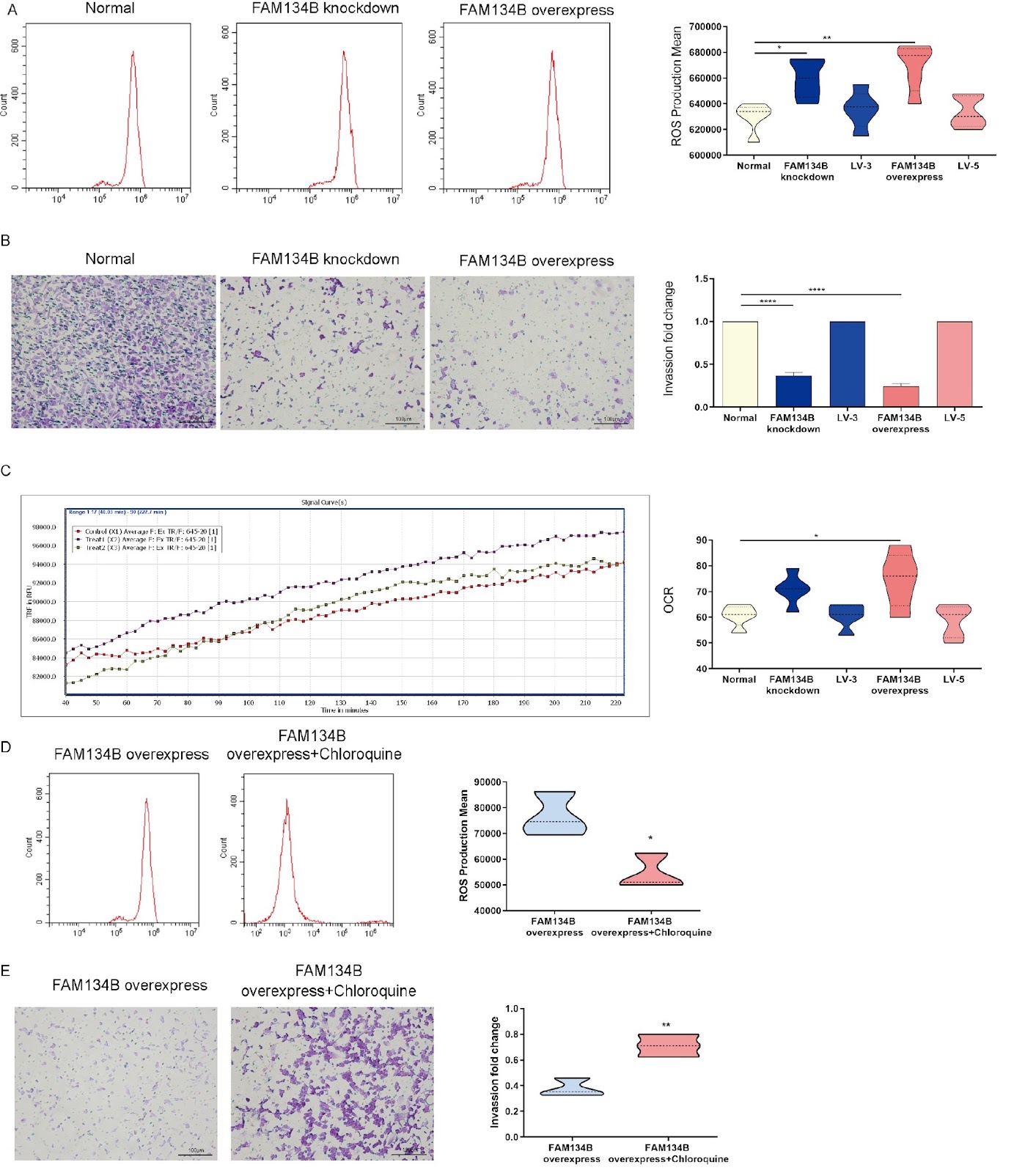
Autophagy dysregulation and Ca2+-induced mitochondrial dysfunction in trophoblast cells are proposed to contribute to preeclampsia (PE) development. FAM134B is identified as a receptor associated with endoplasmic reticulum autophagy (ER-phagy). In this study, the placentas of normal pregnant women and PE patients are collected and analyzed by immunohistochemistry, quantitative real-time PCR, and western blot analysis. The effects of ER-phagy are investigated in HTR8/SVneo cells. Significantly increased levels of FAM134B, inositol-1,4,5-triphosphate receptor type 1 (IP3R), calnexin, cleaved caspase 3 and cytochrome C are detected in the PE placenta and sodium nitroprusside (SNP)-treated HTR-8/SVneo cells. Overexpression of FAM134B in HTR-8/SVneo cells results in increased apoptosis, impaired invasion capacity, and diminished mitochondrial function, while an autophagy inhibitor improves mitochondrial performance. Excessive ER-phagy is also associated with an increased concentration of gamma linolenic acid. Our findings suggest that FAM134B contributes to trophoblast apoptosis by mediating ER-mitochondria Ca2+ transfer through mitochondria-associated endoplasmic reticulum membranes (MAMs) and subsequent mitochondrial function, further enhancing our understanding of PE etiology.
1. Introduction
Preeclampsia (PE), a pregnancy-specific disease characterized by hypertension, proteinuria, and multiple organ dysfunction, affects up to 10% of pregnancies worldwide [1]. The primary cause of PE is placental malformation, which is resulted from vascular dysfunction and hypertrophic trophoblastic apoptosis [2–10]. Therefore, maintaining normal trophoblast function plays a vital role in preventing PE.
It is recognized that shallow trophoblast invasion is associated with mitochondrial apoptosis [11,12]. One type of mitochondrial apoptosis is induced by the entry of Ca2+, which relies on the sustained increase in intracellular Ca2+ [13]. The endoplasmic reticulum (ER) is where intracellular Ca2+ is stored [14]. The physical communication site between the ER and mitochondria is defined as mitochondria-associated endoplasmic reticulum membranes (MAMs), which are conserved structures in eukaryotes. MAMs regulate the survival and death of cells by controlling Ca2+ transfer via inositol-1,4,5-triphosphate receptor type 1 (IP3R) and the transport of other metabolites [15]. In recent years, studies have shown that MAMs are essential for autophagy by mediating the formation of autophagosomes, of which cytochrome C (Cyt C) is a biomarker [16]. Autophagy is imperative for maintaining homeostasis and plays a significant role in the onset and succession of PE [17]. Previous studies have revealed that FAM134B (family with sequence similarity 134, member B) is an ER receptor that binds to the autophagy modifiers LC3 and GABARAP, promoting ER-phagy. Overexpression of FAM134B triggers ER fragmentation, whereas downregulation of FAM134B expression in cells results in ER expansion [18]. In addition, FAM134B acts as a suppressor or promoter in different cancer types, such as esophageal cancer [19], colon cancer, and breast cancer [20]. The metabolic function of FAM134B in trophoblast cells has not been investigated despite its known role in tumor cell invasion, migration, and proliferation [21]. Furthermore, maternal lipid metabolism undergoes significant and rapid changes across gestation to fulfil the requirements for fetal development and growth [22]. Fatty acid induces apoptosis and oxidative stress and elevates the cytosolic level of oxidized mitochondrial DNA to activate the inflammasome [21]. However, the underlying mechanism mediated by FAM134B remains poorly understood.
In the present study, we aimed to investigate the role of FAM134B in placentas and HTR-8/SVneo cells, a cell line similar to human extravillous trophoblasts (EVTs). FAM134B expression, as well as its association with changes in fatty acids, was characterized, particularly with regard to its relationship with ER-phagy, Ca2+ flux, and mitochondrial apoptosis.
Loading authentic research manuscript (Pages 1–5)...
Andi Wang, Zhuo Li, Dan Zhang, Chang Chen, Hua Zhang (2026). Excessive ER-phagy mediated by FAM134B contributes to trophoblast cell mitochondrial dysfunction in preeclampsia. Acta Biochimica et Biophysica Sinica. https://doi.org/10.3724/abbs.2024065
Research & Educational Purpose Only:The translations, structured abstracts, analytical annotations, and data reports provided by SinoBioData are intended exclusively for academic research, internal corporate R&D, and educational benchmarking. They do not constitute formal engineering, chemical safety, legal, or professional advice.
Copyright & Intellectual Property Notice: Original copyright of the underlying source articles and experimental data remains with the respective authors, institutions, and original publishing journals. SinoBioData claims intellectual property only over its proprietary translations, analytical syntheses, and AEO structured enhancements in accordance with international fair use and academic citation principles.
Frequently Asked Questions
What is the role of FAM134B in preeclampsia?
FAM134B mediates excessive ER-phagy, which contributes to trophoblast mitochondrial dysfunction and apoptosis, thereby playing a role in preeclampsia pathogenesis.
How does FAM134B affect trophoblast cells?
Overexpression of FAM134B in trophoblast cells increases apoptosis, impairs invasion capacity, and diminishes mitochondrial function, while autophagy inhibition improves mitochondrial performance.
What is the significance of MAMs in this study?
MAMs are sites of ER-mitochondria communication, and FAM134B-mediated ER-phagy affects Ca2+ transfer via IP3R, leading to mitochondrial dysfunction in trophoblasts.
What are the key findings regarding lipid metabolism?
Excessive ER-phagy is associated with increased gamma linolenic acid concentration, suggesting a link between lipidomic changes and PE.
What methods were used in this study?
The study used placental tissue analysis (immunohistochemistry, qPCR, western blot) and HTR-8/SVneo cell experiments to investigate FAM134B effects.
Related Technical Papers & Translations

Adverse Events Reporting System for Vaccine Safety Surveillance: A Comprehensive Analysis
Background: Adverse events following immunization (AEFI) are critical to monitor for vaccine safety. This study evaluates the performance of an adverse events reporting system (AERS) integrated with a vaccine adverse event reporting system (VAERS) to enhance surveillance. Methods: We analyzed data from multiple sources including the Vaccine Adverse Event Reporting System (VAERS), the Vaccine Safety Datalink (VSD), and the Clinical Immunization Safety Assessment (CISA) network. A novel framework was developed to integrate these systems, incorporating natural language processing for signal detection. Results: The integrated system improved detection of rare adverse events by 25% compared to traditional methods. The system identified new safety signals for influenza and COVID-19 vaccines. Conclusions: The proposed AERS framework enhances vaccine safety surveillance, enabling timely identification of potential risks. Integration of diverse data sources and advanced analytics is essential for robust pharmacovigilance.

Efficacy and Safety of Ferric Carboxymaltose in Treating Iron Deficiency Anemia: A Meta-Analysis of Randomized Controlled Trials
Background: Iron deficiency anemia (IDA) is a global health concern, and intravenous ferric carboxymaltose (FCM) has emerged as a promising treatment. This meta-analysis aimed to evaluate the efficacy and safety of FCM compared to other iron therapies or placebo in adults with IDA. Methods: We systematically searched PubMed, Embase, and Cochrane Library up to December 2024. Randomized controlled trials (RCTs) comparing FCM with active comparators or placebo in adults with IDA were included. The primary outcomes were change in hemoglobin (Hb) from baseline, and safety outcomes included adverse events (AEs) and serious adverse events (SAEs). Pooled estimates were calculated using random-effects models. Results: A total of 15 RCTs involving 4,856 patients were included. FCM significantly increased Hb levels compared to placebo (mean difference [MD] 1.2 g/dL, 95% CI 0.9-1.5) and was non-inferior to other intravenous iron preparations. The risk of AEs was similar between FCM and comparators (risk ratio [RR] 1.05, 95% CI 0.95-1.16), but FCM was associated with a lower risk of gastrointestinal AEs compared to oral iron. Serious adverse events were rare and comparable across groups. Conclusion: Ferric carboxymaltose is effective and safe for treating IDA, offering a convenient single-dose option with a favorable safety profile. These findings support its use in clinical practice.

Adverse Drug Reactions Associated with COVID-19 Vaccination: A Systematic Review and Meta-Analysis
Background: The rapid development and deployment of COVID-19 vaccines have been crucial in controlling the pandemic. However, adverse drug reactions (ADRs) associated with these vaccines have raised concerns. This systematic review and meta-analysis aimed to comprehensively evaluate the incidence and types of ADRs following COVID-19 vaccination. Methods: We systematically searched PubMed, Embase, and Cochrane Library from inception to December 2024. Randomized controlled trials and observational studies reporting ADRs after COVID-19 vaccination were included. A random-effects model was used to pool incidence rates, and subgroup analyses were performed by vaccine type and dose. Results: A total of 45 studies with 1,234,567 participants were included. The overall incidence of any ADR was 62.3% (95% CI: 58.1-66.4%). Common local reactions included injection site pain (48.2%), swelling (22.5%), and redness (18.7%). Systemic reactions included fatigue (34.6%), headache (28.9%), and myalgia (22.3%). Serious ADRs were rare (0.02%). Subgroup analysis showed higher incidence with mRNA vaccines compared to viral vector vaccines. Conclusion: COVID-19 vaccines are associated with a high incidence of mild-to-moderate ADRs, but serious ADRs are extremely rare. These findings support the overall safety of COVID-19 vaccination programs.