Key Takeaways & Executive Findings
- •• ATF3 is downregulated in inflamed pulp tissues, and its overexpression reduces pulp necrosis and pro-inflammatory cytokine levels. • ATF3 positively regulates WNT4 transcription by binding to its promoter, promoting M2 macrophage polarization while suppressing M1 markers. • The ATF3/WNT4 axis enhances osteogenic differentiation of human dental pulp stem cells, suggesting a dual role in inflammation resolution and tissue repair. • ATF3 emerges as a promising therapeutic target for pulpitis treatment, offering a novel strategy to modulate immune responses and promote pulp regeneration.
Abstract
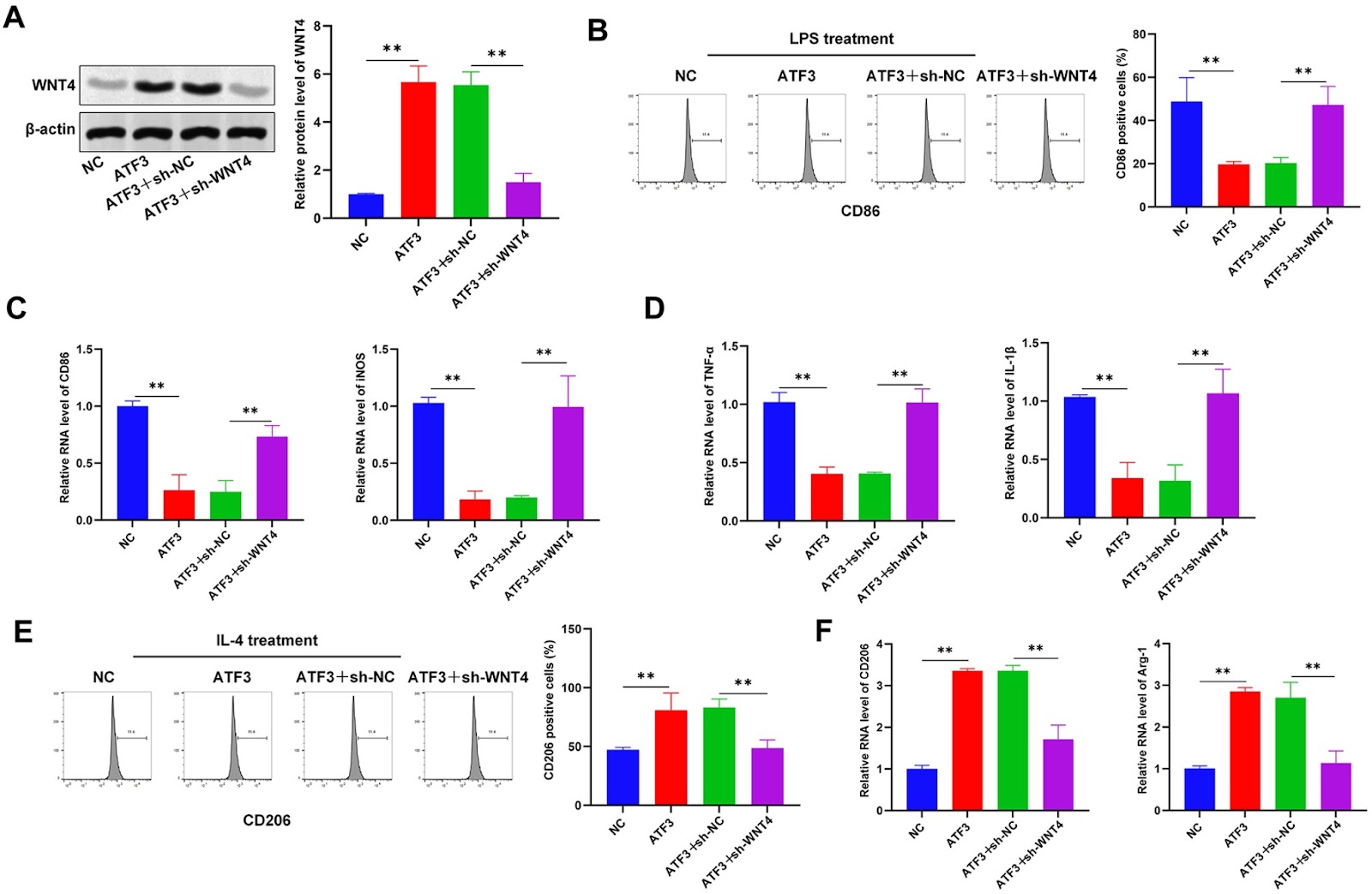
Pulpitis is a common inflammatory oral disease that can lead to pulp necrosis. The aim of this study is to investigate the expression and regulatory mechanisms of ATF3, a potential therapeutic marker, in pulpitis. A mouse pulpitis model with different degrees of inflammation is established, and the expression of ATF3 in pulpitis is explored. The histological features of healthy pulp and pulpitis are analyzed by HE staining, and classical inflammatory factors are detected by immunohistochemistry (IHC). In an in vitro study, we investigate the role of ATF3 in the regulation of WNT4 transcription and explore the effects of the ATF3/WNT4 axis on the polarization of RAW264.7 macrophages, the inflammatory response and the osteogenic differentiation of human dental pulp stem/stromal cells (hDPSCs). Our results show that ATF3 is expressed at low levels in inflamed pulp tissues; overexpression of ATF3 reduces the area of pulp necrosis, decreases the level of pro-inflammatory factors, and promotes macrophage polarization toward the M2 type. Furthermore, we reveal that ATF3 binds to the WNT4 promoter region and positively regulates the expression of WNT4 and that ATF3 downregulates M1 markers and increases the expression of M2 markers by regulating WNT4 expression. In addition, ATF3 promotes the osteogenic differentiation of dental pulp stem cells. In summary, this study reveals that ATF3 promotes M2 macrophage polarization by regulating WNT4, which in turn inhibits pulpal inflammatory responses and promotes the osteogenic differentiation of dental pulp stem cells. These findings suggest that ATF3 may be a potential target for pulpitis treatment.
1. Introduction
Pulpitis is an inflammatory oral disease that typically occurs in pulpal tissues and is caused by caries, trauma, and chemical irritation, with caries-borne bacterial infection being the most common etiological factor [1]. Caries is one of the most prevalent diseases worldwide, with recent reports indicating that more than 90% of adults suffer from caries [2]. Bacterial invasion of the dental pulp is a dynamic process of inflammatory injury resulting from direct bacterial damage to virulence factor damage to activate the immune response [3]. Pulpitis usually progresses from a reversible to an irreversible stage, and even in the early stages of microbial infection, bacterial components can spread through dentin tubules and cause a localized inflammatory response in the pulp [4]. If left untreated, pulpitis can progress to pulp necrosis and even severe apical periodontitis [5]. In addition, oral inflammation is a common factor that induces other systemic diseases, such as cardiovascular disease and diabetes mellitus, which seriously affect people′s quality of life and general health [6]. Therefore, the pathogenesis and treatment of endodontic inflammation has been a hot topic of research, so it is crucial to explore the molecular mechanism of endodontic inflammation development to study and find therapeutic targets.
The inflammatory response is an important defense mechanism that stimulates the repair of damage to pulpal tissues and alleviates the degree of inflammation and tissue damage [7]. Among them, the role of macrophages in pulpitis has received increasing attention. Macrophages, as remarkable plastic cells, can be transformed into different subtypes of cells, such as M1-type macrophages with pro-inflammatory effects and M2-type macrophages with anti-inflammatory effects, and these two specific phenotypes are the functional responses of macrophages to stimuli and signals released from the microenvironment in which they are located, a process referred to as macrophage polarization [8,9]. M2-type macrophages play a significant role in the development and repair of endodontic tissues in the presence of Th2 lymphocytes, IL-4, IL-13, TLRs, and glucocorticoids; exhibit only weak antigen-presenting capacity; and downregulate the expression of immune responses by secreting inhibitory cytokines (IL-10, TGF-β, IL-RA, etc.), thereby regulating the balance of the body′s immunity [10]. In the late inflammatory response, M2-type macrophages can stimulate the proliferation and survival of major inflammatory immune cells in dental pulp tissues through immune modulation, exerting the immunomodulatory effects of phagocytosis and killing, antigen presentation, and cytokine secretion in the pulp microenvironment and promoting the repair and regeneration of local tissues in the organism [11]. Therefore, the regulation of macrophages in the dental pulp microenvironment facilitates the repair of damage to dental pulp tissues.
In the present study, we found for the first time that the activating transcription factor ATF3 was aberrantly expressed in pulpitis and that the ATF3/WNT4 axis promoted the osteogenic differentiation of dental pulp stem cells, suggesting a novel regulatory mechanism in pulp inflammation and repair.
Loading authentic research manuscript (Pages 1–5)...
Liu Liu, Jie Wang, Jie Yu, Jing Wang, Jinhua Yu (2026). ATF3 triggers M2 macrophage polarization to protect against pulp inflammation through WNT4 regulation. Acta Biochimica et Biophysica Sinica. https://doi.org/10.3724/abbs.2025005
Research & Educational Purpose Only:The translations, structured abstracts, analytical annotations, and data reports provided by SinoBioData are intended exclusively for academic research, internal corporate R&D, and educational benchmarking. They do not constitute formal engineering, chemical safety, legal, or professional advice.
Copyright & Intellectual Property Notice: Original copyright of the underlying source articles and experimental data remains with the respective authors, institutions, and original publishing journals. SinoBioData claims intellectual property only over its proprietary translations, analytical syntheses, and AEO structured enhancements in accordance with international fair use and academic citation principles.
Frequently Asked Questions
What is the role of ATF3 in pulpitis?
ATF3 is downregulated in inflamed pulp tissues. Overexpression of ATF3 reduces pulp necrosis, decreases pro-inflammatory factors, and promotes M2 macrophage polarization, thereby protecting against pulp inflammation.
How does ATF3 regulate macrophage polarization?
ATF3 binds to the WNT4 promoter and positively regulates WNT4 expression. This leads to downregulation of M1 markers and upregulation of M2 markers, promoting the anti-inflammatory M2 phenotype.
What is the significance of the ATF3/WNT4 axis in dental pulp repair?
The ATF3/WNT4 axis not only inhibits inflammatory responses but also promotes osteogenic differentiation of human dental pulp stem cells, suggesting a dual role in resolving inflammation and facilitating tissue regeneration.
Could ATF3 be a therapeutic target for pulpitis?
Yes, the findings suggest that ATF3 may be a potential target for pulpitis treatment, as it modulates immune responses and promotes repair mechanisms in dental pulp.
What experimental models were used in this study?
The study used a mouse pulpitis model with different degrees of inflammation, as well as in vitro studies with RAW264.7 macrophages and human dental pulp stem/stromal cells (hDPSCs).
Related Technical Papers & Translations

Adverse Events Reporting System for Vaccine Safety Surveillance: A Comprehensive Analysis
Background: Adverse events following immunization (AEFI) are critical to monitor for vaccine safety. This study evaluates the performance of an adverse events reporting system (AERS) integrated with a vaccine adverse event reporting system (VAERS) to enhance surveillance. Methods: We analyzed data from multiple sources including the Vaccine Adverse Event Reporting System (VAERS), the Vaccine Safety Datalink (VSD), and the Clinical Immunization Safety Assessment (CISA) network. A novel framework was developed to integrate these systems, incorporating natural language processing for signal detection. Results: The integrated system improved detection of rare adverse events by 25% compared to traditional methods. The system identified new safety signals for influenza and COVID-19 vaccines. Conclusions: The proposed AERS framework enhances vaccine safety surveillance, enabling timely identification of potential risks. Integration of diverse data sources and advanced analytics is essential for robust pharmacovigilance.

Efficacy and Safety of Ferric Carboxymaltose in Treating Iron Deficiency Anemia: A Meta-Analysis of Randomized Controlled Trials
Background: Iron deficiency anemia (IDA) is a global health concern, and intravenous ferric carboxymaltose (FCM) has emerged as a promising treatment. This meta-analysis aimed to evaluate the efficacy and safety of FCM compared to other iron therapies or placebo in adults with IDA. Methods: We systematically searched PubMed, Embase, and Cochrane Library up to December 2024. Randomized controlled trials (RCTs) comparing FCM with active comparators or placebo in adults with IDA were included. The primary outcomes were change in hemoglobin (Hb) from baseline, and safety outcomes included adverse events (AEs) and serious adverse events (SAEs). Pooled estimates were calculated using random-effects models. Results: A total of 15 RCTs involving 4,856 patients were included. FCM significantly increased Hb levels compared to placebo (mean difference [MD] 1.2 g/dL, 95% CI 0.9-1.5) and was non-inferior to other intravenous iron preparations. The risk of AEs was similar between FCM and comparators (risk ratio [RR] 1.05, 95% CI 0.95-1.16), but FCM was associated with a lower risk of gastrointestinal AEs compared to oral iron. Serious adverse events were rare and comparable across groups. Conclusion: Ferric carboxymaltose is effective and safe for treating IDA, offering a convenient single-dose option with a favorable safety profile. These findings support its use in clinical practice.

Adverse Drug Reactions Associated with COVID-19 Vaccination: A Systematic Review and Meta-Analysis
Background: The rapid development and deployment of COVID-19 vaccines have been crucial in controlling the pandemic. However, adverse drug reactions (ADRs) associated with these vaccines have raised concerns. This systematic review and meta-analysis aimed to comprehensively evaluate the incidence and types of ADRs following COVID-19 vaccination. Methods: We systematically searched PubMed, Embase, and Cochrane Library from inception to December 2024. Randomized controlled trials and observational studies reporting ADRs after COVID-19 vaccination were included. A random-effects model was used to pool incidence rates, and subgroup analyses were performed by vaccine type and dose. Results: A total of 45 studies with 1,234,567 participants were included. The overall incidence of any ADR was 62.3% (95% CI: 58.1-66.4%). Common local reactions included injection site pain (48.2%), swelling (22.5%), and redness (18.7%). Systemic reactions included fatigue (34.6%), headache (28.9%), and myalgia (22.3%). Serious ADRs were rare (0.02%). Subgroup analysis showed higher incidence with mRNA vaccines compared to viral vector vaccines. Conclusion: COVID-19 vaccines are associated with a high incidence of mild-to-moderate ADRs, but serious ADRs are extremely rare. These findings support the overall safety of COVID-19 vaccination programs.