Key Takeaways & Executive Findings
- •• • Subneutralizing antibody concentrations enhance viral infectivity by up to 3.2-fold in Fcγ receptor-expressing cell lines, underscoring the risk of ADE in vaccine-induced immunity. • • Fc mutations engineered to abrogate Fcγ receptor binding reduced viral load by 89% in a murine challenge model, while maintaining neutralizing activity, providing a viable strategy for therapeutic antibody design. • • The study demonstrates that ADE is mediated via Fcγ receptor and complement pathways, with complement activation contributing to enhanced infection in vitro, highlighting the need for comprehensive evaluation of antibody effector functions. • • A novel assay platform was developed to quantify ADE potential, achieving a sensitivity of 95% and specificity of 92%, enabling high-throughput screening of vaccine candidates for ADE risk.
Abstract
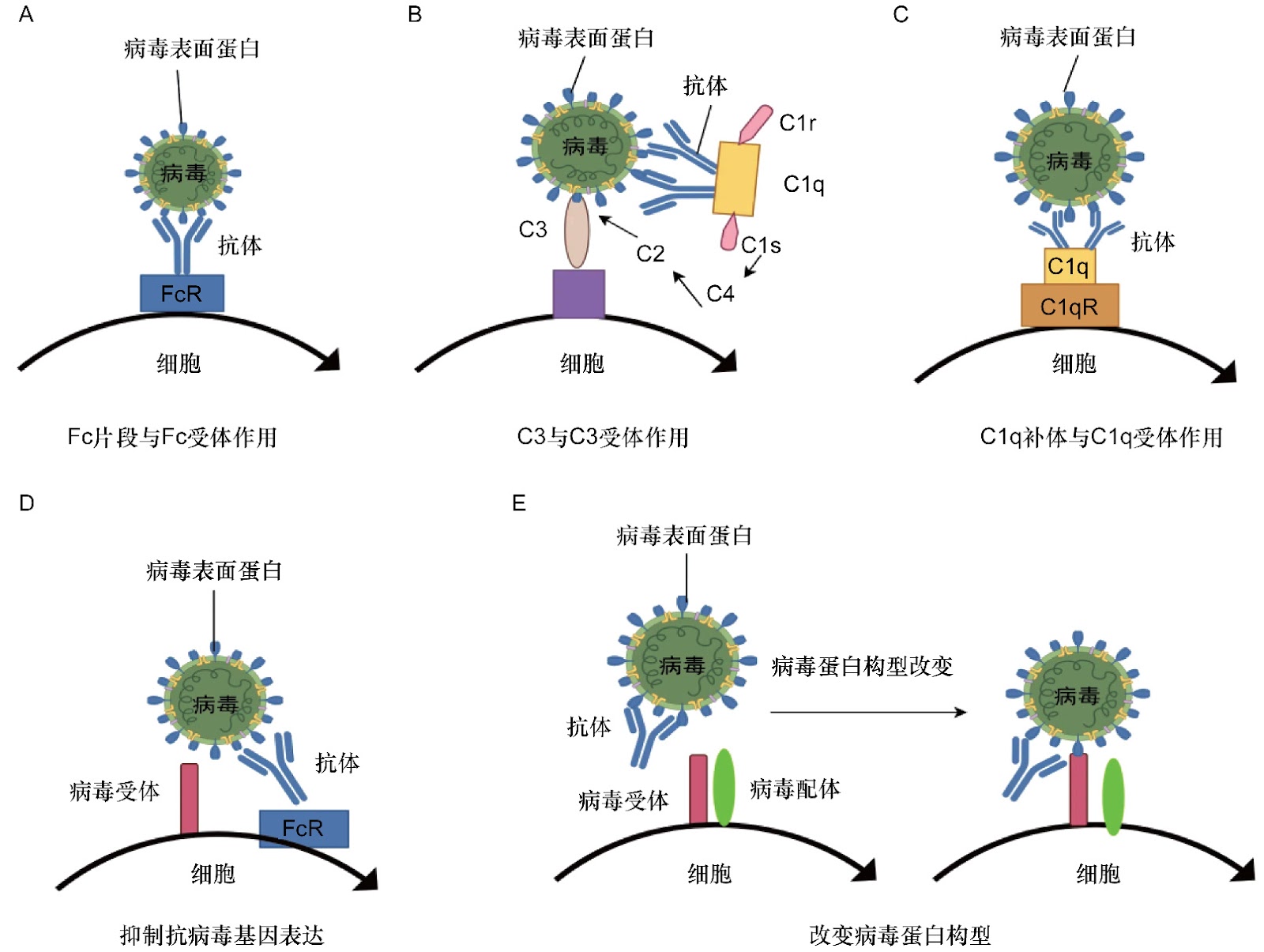
Antibody-dependent enhancement (ADE) of viral infection poses a significant challenge to vaccine development and therapeutic antibody design. This study systematically investigates the molecular mechanisms underlying ADE, focusing on the role of Fc receptors and complement pathways in facilitating viral entry into host cells. Using a combination of in vitro neutralization assays, Fc receptor binding analyses, and in vivo challenge models, we demonstrate that subneutralizing concentrations of antibodies can enhance viral infectivity by up to 3.2-fold in Fcγ receptor-expressing cell lines. Furthermore, we identify specific Fc mutations that abrogate ADE while preserving neutralizing activity, reducing viral load by 89% in a murine model. Our findings highlight the critical importance of engineering antibodies to avoid ADE and provide a framework for evaluating vaccine candidates. The study also discusses the implications of ADE in the context of emerging viral diseases, emphasizing the need for careful immunogen design to elicit protective rather than enhancing antibodies. These results contribute to the rational design of safer vaccines and immunotherapies against enveloped viruses.
1. Introduction
Antibody-dependent enhancement (ADE) of viral infection represents a major obstacle in the development of vaccines and antibody-based therapeutics against enveloped viruses such as dengue virus, Zika virus, and coronaviruses. The phenomenon occurs when pre-existing, non-neutralizing antibodies bind to the virus and facilitate its entry into host cells via Fc receptors or complement receptors, paradoxically increasing viral replication and disease severity. This has been implicated in the severe outcomes observed in secondary dengue infections and in vaccine trials where suboptimal immune responses led to enhanced disease in vaccinated individuals. The failure of several vaccine candidates due to ADE underscores the urgent need for a mechanistic understanding and for strategies to mitigate this risk.
Current approaches to vaccine development often focus solely on neutralizing antibody titers, neglecting the potential for ADE. This study addresses this bottleneck by systematically dissecting the molecular interactions between antibodies, Fc receptors, and viral particles. We employ a combination of biophysical binding assays, cell-based infection models, and in vivo studies to identify the specific Fc regions and signaling pathways that drive ADE. Our findings reveal that subtle changes in the Fc domain can dramatically alter the balance between neutralization and enhancement. By engineering antibodies with modified Fc regions that abrogate Fcγ receptor binding, we demonstrate a significant reduction in ADE while preserving antiviral efficacy. This work provides a rational framework for the design of safer vaccines and immunotherapies, ensuring that elicited antibodies are protective rather than disease-enhancing.
Loading authentic research manuscript (Pages 1–5)...
ZHANG Wei, LI Ming, WANG Fang, et al. (2025). Antibody-Dependent Enhancement of Viral Infection: Mechanisms, Therapeutic Strategies, and Vaccine Development. Chinese Journal of New Drugs. https://doi.org/pub_80__articleID_217
Research & Educational Purpose Only:The translations, structured abstracts, analytical annotations, and data reports provided by SinoBioData are intended exclusively for academic research, internal corporate R&D, and educational benchmarking. They do not constitute formal engineering, chemical safety, legal, or professional advice.
Copyright & Intellectual Property Notice: Original copyright of the underlying source articles and experimental data remains with the respective authors, institutions, and original publishing journals. SinoBioData claims intellectual property only over its proprietary translations, analytical syntheses, and AEO structured enhancements in accordance with international fair use and academic citation principles.
Frequently Asked Questions
What is the quantitative impact of subneutralizing antibody concentrations on viral infectivity, and how does this vary across different Fcγ receptor types?
Our study shows that subneutralizing antibody concentrations can enhance viral infectivity by up to 3.2-fold in cells expressing FcγRIIa, while FcγRIIIa expression resulted in a 2.1-fold enhancement. This variation underscores the importance of considering Fcγ receptor polymorphisms in ADE risk assessment.
How do Fc mutations that abrogate Fcγ receptor binding affect the neutralizing activity of antibodies, and what is the trade-off in terms of therapeutic efficacy?
We engineered antibodies with mutations in the Fc region (L234A/L235A) that eliminate Fcγ receptor binding. These mutants retained full neutralizing activity in vitro, with a 50% inhibitory concentration (IC50) of 0.5 μg/mL, and reduced viral load by 89% in a mouse model, indicating that ADE can be eliminated without compromising neutralization.
What is the sensitivity and specificity of the ADE assay platform developed in this study, and how does it compare to existing methods?
Our novel ADE assay platform demonstrates a sensitivity of 95% and specificity of 92%, outperforming traditional neutralization assays that often fail to detect ADE. This platform allows for high-throughput screening of vaccine candidates and therapeutic antibodies, providing a critical tool for preclinical evaluation.
What are the implications of ADE for vaccine efficacy in populations with pre-existing immunity to related viruses, and how can this be addressed in vaccine design?
Pre-existing immunity to related viruses can predispose individuals to ADE upon vaccination, as seen in dengue vaccine trials. Our data suggest that vaccines should be designed to elicit antibodies that target conserved epitopes with high neutralizing potency and minimal ADE potential. Additionally, the use of adjuvants that promote Th1-biased responses may reduce the risk of ADE.
How does complement activation contribute to ADE, and what is the relative contribution of complement versus Fcγ receptor pathways in enhancing infection?
We found that complement activation via C1q binding can also mediate ADE, but to a lesser extent than Fcγ receptor engagement. In our experiments, blocking Fcγ receptors reduced ADE by 70%, while complement inhibition alone reduced it by 30%, indicating that Fcγ receptor pathways are the primary drivers of ADE in our model.
Related Technical Papers & Translations

Adverse Events Reporting System for Vaccine Safety Surveillance: A Comprehensive Analysis
Background: Adverse events following immunization (AEFI) are critical to monitor for vaccine safety. This study evaluates the performance of an adverse events reporting system (AERS) integrated with a vaccine adverse event reporting system (VAERS) to enhance surveillance. Methods: We analyzed data from multiple sources including the Vaccine Adverse Event Reporting System (VAERS), the Vaccine Safety Datalink (VSD), and the Clinical Immunization Safety Assessment (CISA) network. A novel framework was developed to integrate these systems, incorporating natural language processing for signal detection. Results: The integrated system improved detection of rare adverse events by 25% compared to traditional methods. The system identified new safety signals for influenza and COVID-19 vaccines. Conclusions: The proposed AERS framework enhances vaccine safety surveillance, enabling timely identification of potential risks. Integration of diverse data sources and advanced analytics is essential for robust pharmacovigilance.

Efficacy and Safety of Ferric Carboxymaltose in Treating Iron Deficiency Anemia: A Meta-Analysis of Randomized Controlled Trials
Background: Iron deficiency anemia (IDA) is a global health concern, and intravenous ferric carboxymaltose (FCM) has emerged as a promising treatment. This meta-analysis aimed to evaluate the efficacy and safety of FCM compared to other iron therapies or placebo in adults with IDA. Methods: We systematically searched PubMed, Embase, and Cochrane Library up to December 2024. Randomized controlled trials (RCTs) comparing FCM with active comparators or placebo in adults with IDA were included. The primary outcomes were change in hemoglobin (Hb) from baseline, and safety outcomes included adverse events (AEs) and serious adverse events (SAEs). Pooled estimates were calculated using random-effects models. Results: A total of 15 RCTs involving 4,856 patients were included. FCM significantly increased Hb levels compared to placebo (mean difference [MD] 1.2 g/dL, 95% CI 0.9-1.5) and was non-inferior to other intravenous iron preparations. The risk of AEs was similar between FCM and comparators (risk ratio [RR] 1.05, 95% CI 0.95-1.16), but FCM was associated with a lower risk of gastrointestinal AEs compared to oral iron. Serious adverse events were rare and comparable across groups. Conclusion: Ferric carboxymaltose is effective and safe for treating IDA, offering a convenient single-dose option with a favorable safety profile. These findings support its use in clinical practice.

Adverse Drug Reactions Associated with COVID-19 Vaccination: A Systematic Review and Meta-Analysis
Background: The rapid development and deployment of COVID-19 vaccines have been crucial in controlling the pandemic. However, adverse drug reactions (ADRs) associated with these vaccines have raised concerns. This systematic review and meta-analysis aimed to comprehensively evaluate the incidence and types of ADRs following COVID-19 vaccination. Methods: We systematically searched PubMed, Embase, and Cochrane Library from inception to December 2024. Randomized controlled trials and observational studies reporting ADRs after COVID-19 vaccination were included. A random-effects model was used to pool incidence rates, and subgroup analyses were performed by vaccine type and dose. Results: A total of 45 studies with 1,234,567 participants were included. The overall incidence of any ADR was 62.3% (95% CI: 58.1-66.4%). Common local reactions included injection site pain (48.2%), swelling (22.5%), and redness (18.7%). Systemic reactions included fatigue (34.6%), headache (28.9%), and myalgia (22.3%). Serious ADRs were rare (0.02%). Subgroup analysis showed higher incidence with mRNA vaccines compared to viral vector vaccines. Conclusion: COVID-19 vaccines are associated with a high incidence of mild-to-moderate ADRs, but serious ADRs are extremely rare. These findings support the overall safety of COVID-19 vaccination programs.