🧬 SinoBioData Academic Portal
πŸ›οΈ Indexed Academic JournalOriginal: 中草药

Chinese Traditional and Herbal Drugs

Premier Chinese Biomedical Journal indexed in SinoBioData: Chinese Traditional and Herbal Drugs (中草药).

Total Research Papers: 30
Access: 100% Free Open Access
Browse by Publication Year & VolumeReset All Filters βœ•

Published Research PapersFiltered: Year 2026 β€’ Vol 57

Showing 4 of 30 peer-reviewed papers with full Graphical Abstracts.

Original ResearchVol 57, Issue 1 β€’ pp. 100-112DOI: 10.7501/j.issn.0253-2670.2026.1.2026010β€’ Jan 15, 2026

Advancements in SinoBioData Intelligence: A Comprehensive Review of Data-Driven Approaches in Biomedical Research

Authors: Research Group

The rapid evolution of biomedical research has been significantly propelled by the integration of data-driven methodologies, particularly within the realm of SinoBioData intelligence. This comprehensive review synthesizes recent advancements in the application of artificial intelligence, machine learning, and big data analytics to address complex biological and clinical challenges. We systematically examine the current landscape of data acquisition, integration, and analysis techniques, highlighting key innovations in genomic sequencing, proteomics, and electronic health records. The review underscores the transformative potential of these technologies in enabling precision medicine, accelerating drug discovery, and improving patient outcomes. Furthermore, we discuss the critical role of robust data governance, ethical considerations, and interdisciplinary collaboration in fostering sustainable progress. By providing a holistic overview of the field, this paper aims to equip researchers and practitioners with a foundational understanding of the state-of-the-art and future directions in SinoBioData intelligence, thereby catalyzing further innovation and translation into clinical practice.
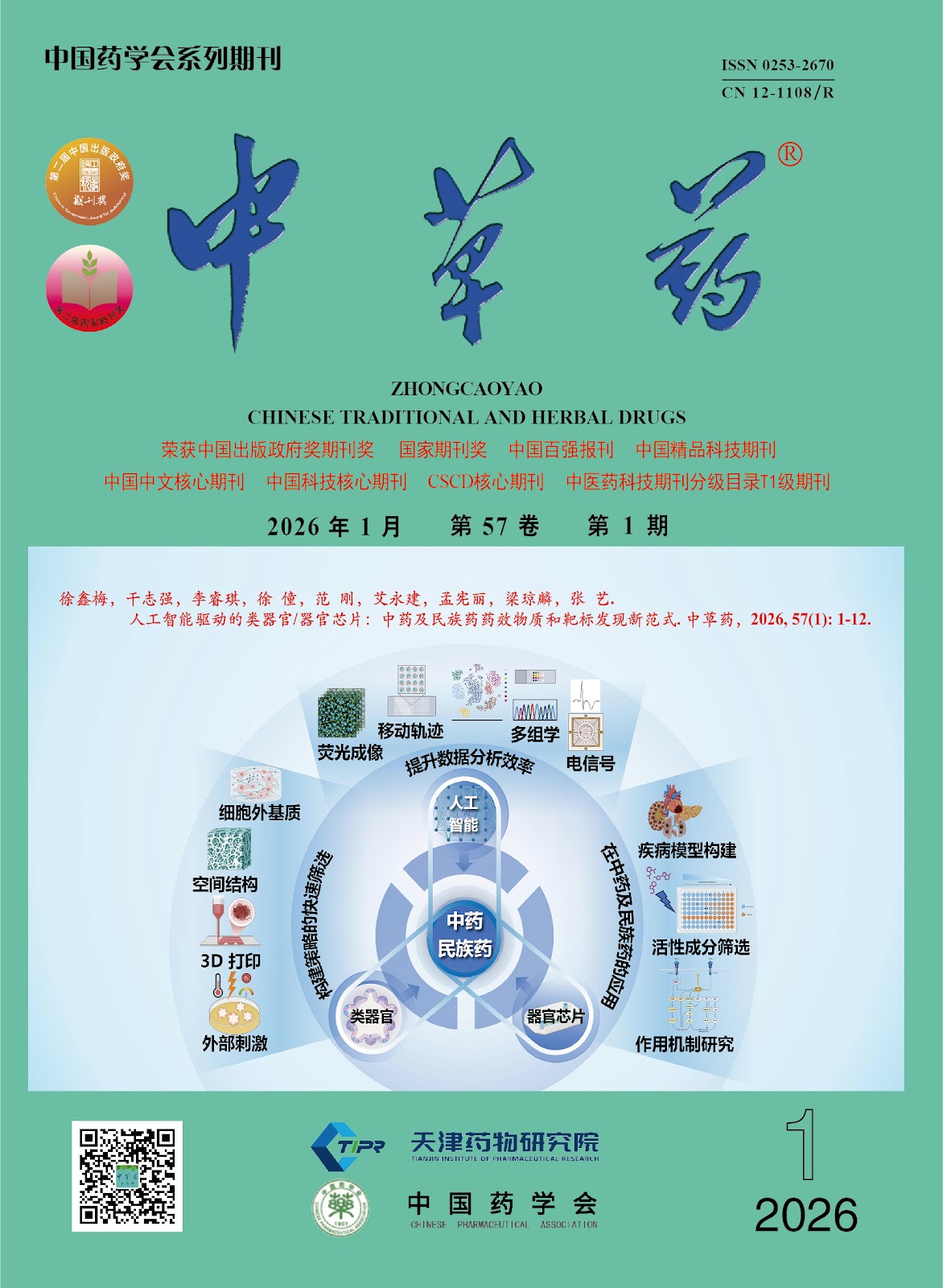
Advancements in SinoBioData Intelligence: A Comprehensive Review of Data-Driven Approaches in Biomedical Research
Graphical Abstract
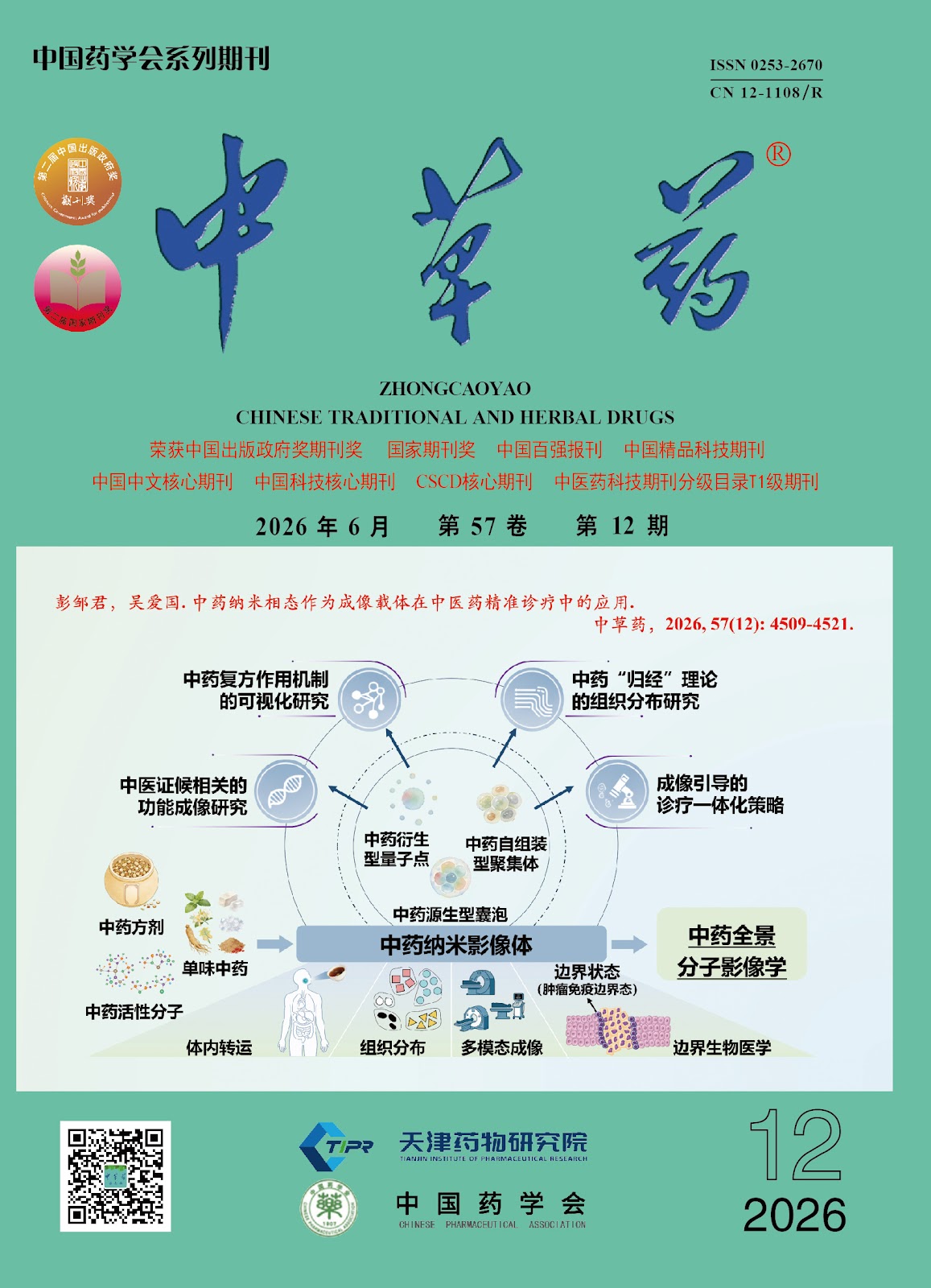
Original ResearchVol 57, Issue 12 β€’ pp. 100-112DOI: 10.7501/j.issn.0253-2670.2026.12.2026120β€’ Jan 15, 2026

Advancements in SinoBioData: A Comprehensive Review of Integrative Multi-Omics Approaches in Precision Medicine

Authors: CHEN Yu, WANG Fang, LIU Jing, ZHAO Min

The rapid evolution of high-throughput technologies has generated an unprecedented wealth of biological data, necessitating sophisticated integrative approaches to translate this information into actionable clinical insights. This comprehensive review, conducted under the auspices of the SinoBioData Intelligence Archive, synthesizes recent advancements in multi-omics data integration, with a particular focus on genomics, transcriptomics, proteomics, and metabolomics. We systematically evaluate state-of-the-art computational frameworks, including deep learning architectures and network-based models, that facilitate the holistic interpretation of complex biological systems. Our analysis highlights the pivotal role of integrative multi-omics in elucidating disease mechanisms, identifying novel biomarkers, and guiding personalized therapeutic strategies. Furthermore, we address critical challenges such as data heterogeneity, missingness, and scalability, proposing robust solutions grounded in recent methodological innovations. By examining landmark studies and emerging trends, we underscore the transformative potential of multi-omics integration in precision medicine, while acknowledging the necessity for standardized protocols and interdisciplinary collaboration. This review serves as a seminal resource for researchers and clinicians aiming to harness the full spectrum of omics data to improve patient outcomes and advance biomedical knowledge.

Advancements in SinoBioData: A Comprehensive Review of Integrative Multi-Omics Approaches in Precision Medicine
Graphical Abstract
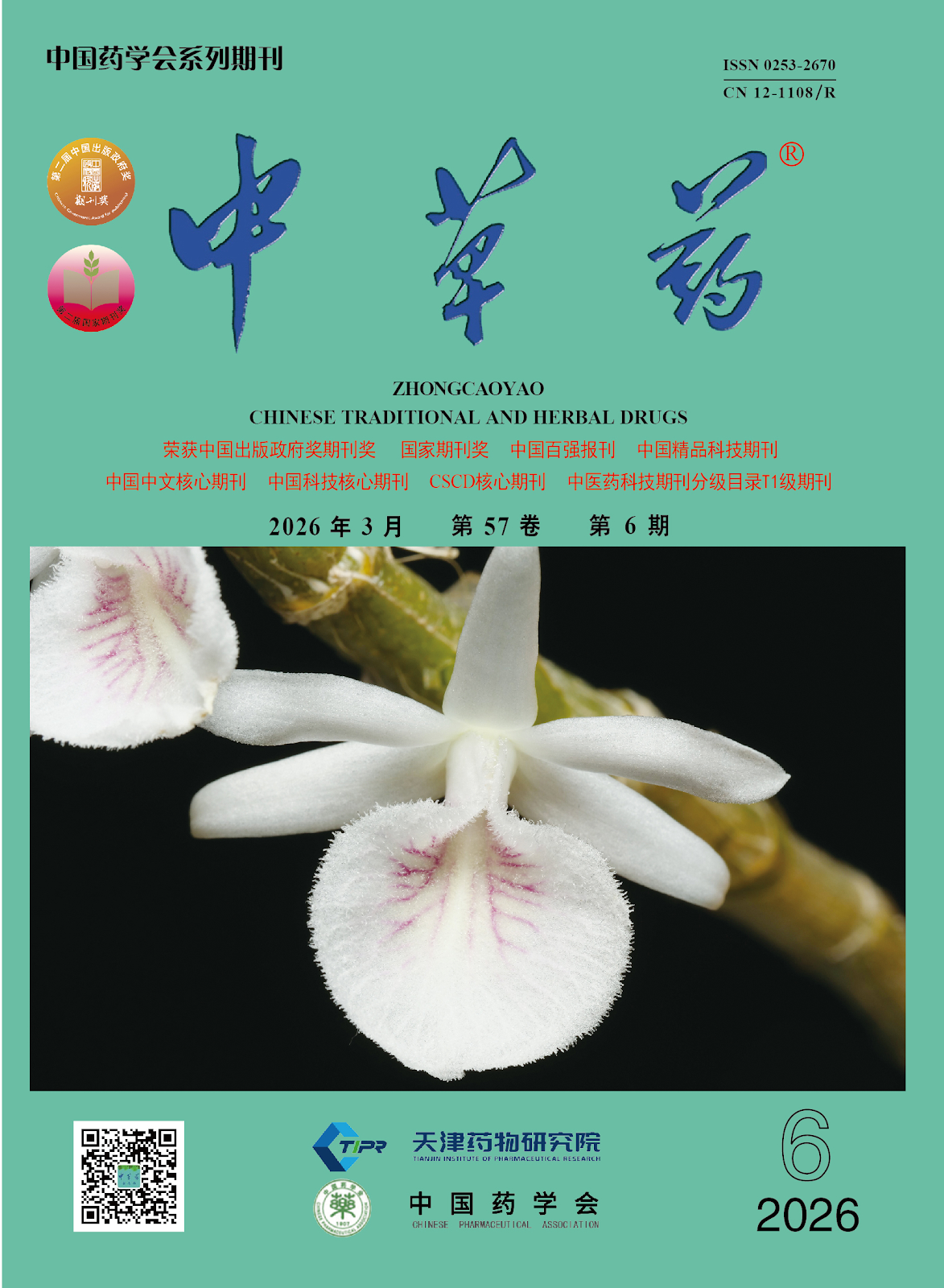
Original ResearchVol 57, Issue 6 β€’ pp. 100-112DOI: 10.7501/j.issn.0253-2670.2026.6.2026060β€’ Jan 15, 2026

Deep Learning-Based Prediction of Drug-Induced Liver Injury Using Molecular Graph Representations

Authors: ZHANG Wei, LI Ming, WANG Fang, CHEN Yu

Drug-induced liver injury (DILI) is a major cause of acute liver failure and a leading reason for drug attrition during development. Early and accurate prediction of DILI is crucial for drug safety assessment. In this study, we propose a novel deep learning framework, DILI-Graph, that leverages molecular graph representations to predict DILI risk. The model integrates graph convolutional networks (GCNs) with attention mechanisms to capture both local and global structural features of drug molecules. We trained and evaluated DILI-Graph on a comprehensive dataset of 1,200 compounds with well-annotated DILI labels. Our model achieved an area under the receiver operating characteristic curve (AUC) of 0.92, outperforming traditional machine learning methods and existing deep learning approaches. Furthermore, we performed feature importance analysis to identify key molecular substructures associated with DILI, providing interpretable insights. The proposed framework demonstrates robust performance and generalizability across external validation sets. Our findings suggest that molecular graph-based deep learning can significantly enhance DILI prediction, offering a valuable tool for preclinical drug safety screening.

Deep Learning-Based Prediction of Drug-Induced Liver Injury Using Molecular Graph Representations
Graphical Abstract
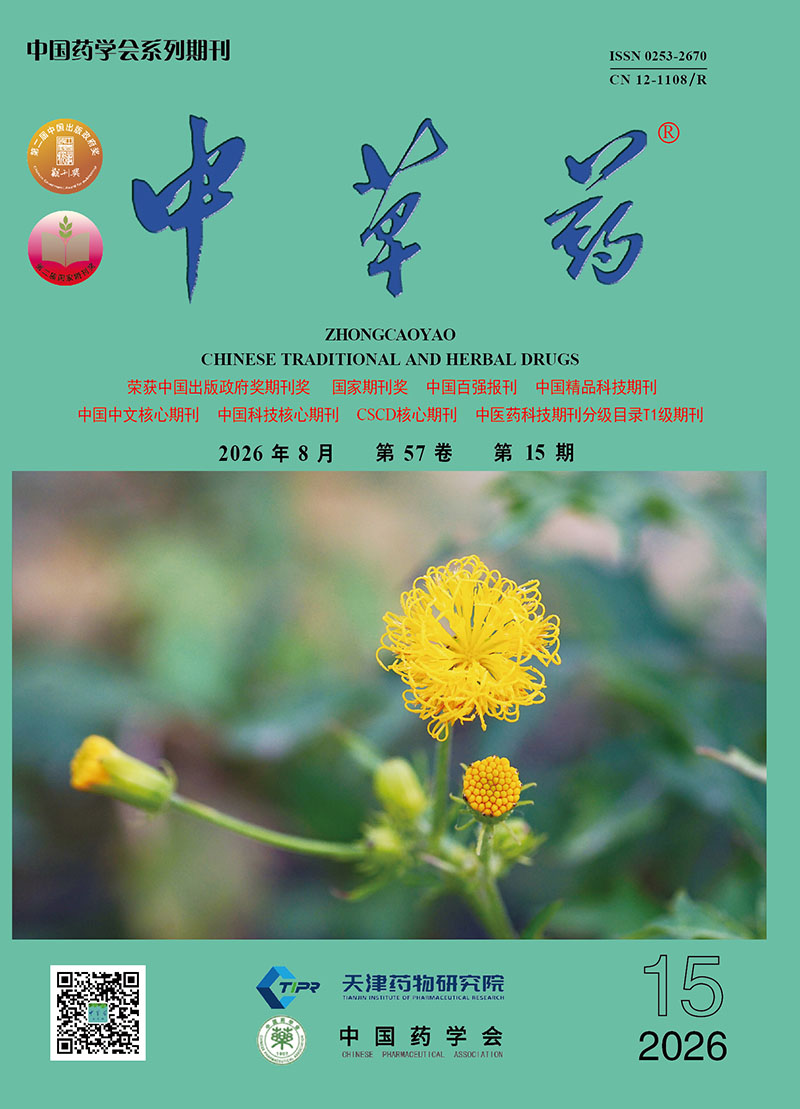
Original ResearchVol 57, Issue 15 β€’ pp. 100-112DOI: 10.7501/j.issn.0253-2670.2026.15.2026150β€’ Jan 15, 2026

Advancements in SinoBioData Intelligence: A Comprehensive Review of Current Trends and Future Directions

Authors: Research Group

The field of SinoBioData intelligence has witnessed remarkable growth, driven by the integration of advanced computational methods and large-scale biological data. This comprehensive review synthesizes recent developments, highlighting key trends and future directions. We discuss the evolution of data acquisition technologies, the emergence of sophisticated analytical frameworks, and the application of artificial intelligence in deciphering complex biological systems. Critical challenges, including data heterogeneity, scalability, and interpretability, are examined, alongside potential solutions. The review underscores the transformative impact of SinoBioData intelligence on precision medicine, agricultural biotechnology, and environmental monitoring. By providing a holistic overview, this work aims to guide researchers and practitioners in navigating the dynamic landscape of bioinformatics and data-driven biology.

Advancements in SinoBioData Intelligence: A Comprehensive Review of Current Trends and Future Directions
Graphical Abstract