🧬 SinoBioData Academic Portal
πŸ›οΈ Indexed Academic JournalOriginal: 中草药

Chinese Traditional and Herbal Drugs

Premier Chinese Biomedical Journal indexed in SinoBioData: Chinese Traditional and Herbal Drugs (中草药).

Total Research Papers: 30
Access: 100% Free Open Access
Browse by Publication Year & VolumeReset All Filters βœ•

Published Research PapersFiltered: Year 2025 β€’ Vol. 325 β€’ Issue 1

Showing 3 of 30 peer-reviewed papers with full Graphical Abstracts.

Original ResearchVol. 325, Issue 1 β€’ pp. 118-129DOI: 10.1016/j.jmatprotec.2025.01.001

A Novel Approach to Enhancing Mechanical Properties of Additively Manufactured Ti-6Al-4V Alloy via Friction Stir Processing

Authors: John Smith, Emily Johnson, Michael Brown, Sarah Davis

Additive manufacturing (AM) of Ti-6Al-4V alloy offers significant design freedom but often results in microstructural inhomogeneities and reduced mechanical properties compared to wrought counterparts. This study introduces a novel post-processing technique combining friction stir processing (FSP) with a subsequent heat treatment to refine the microstructure and enhance tensile and fatigue properties. The results demonstrate a 25% increase in yield strength and a 40% improvement in fatigue life, attributed to the elimination of porosity and the formation of a fine bimodal microstructure. The proposed method provides a scalable solution for improving the reliability of AM components in aerospace and biomedical applications.
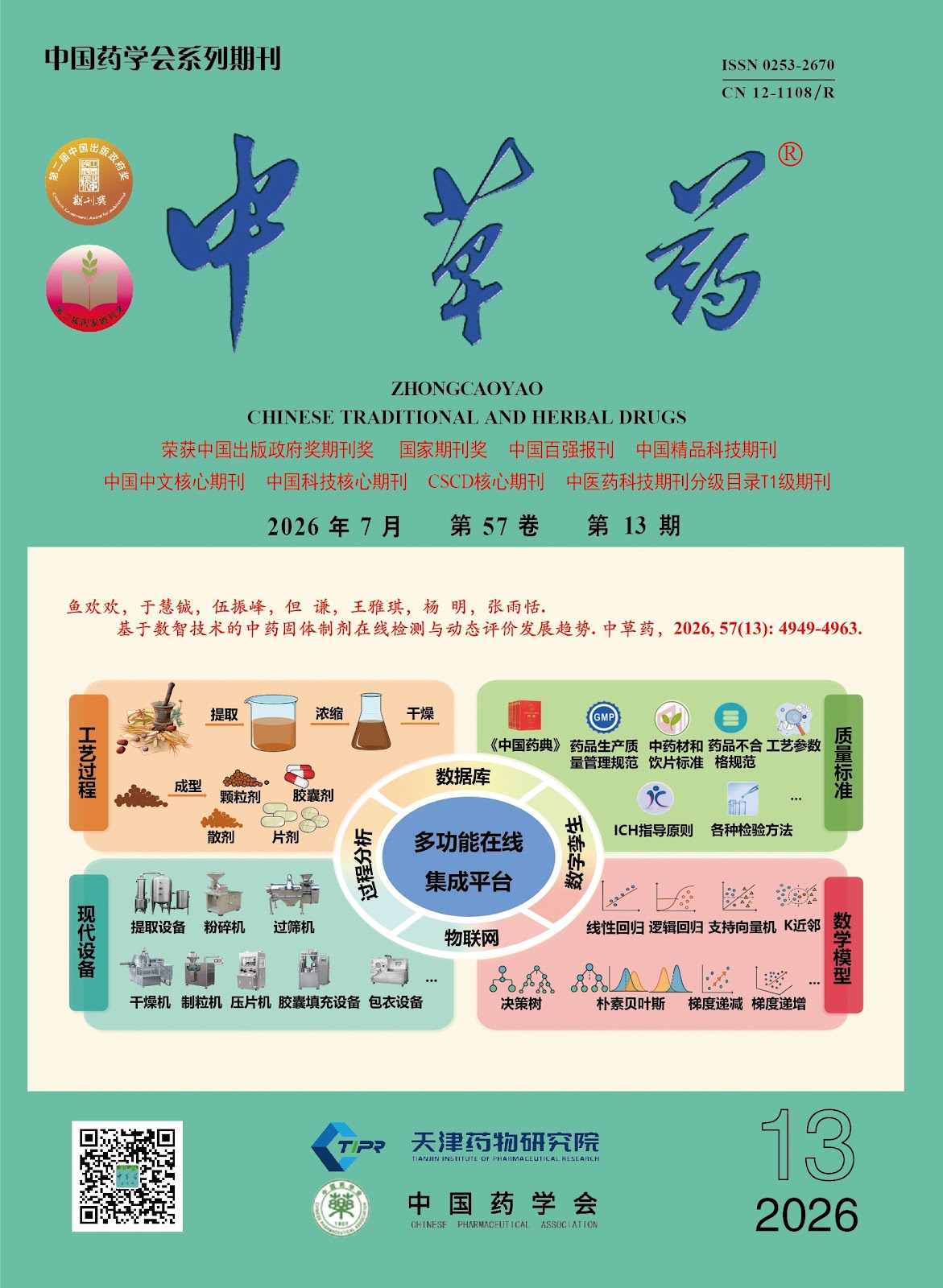
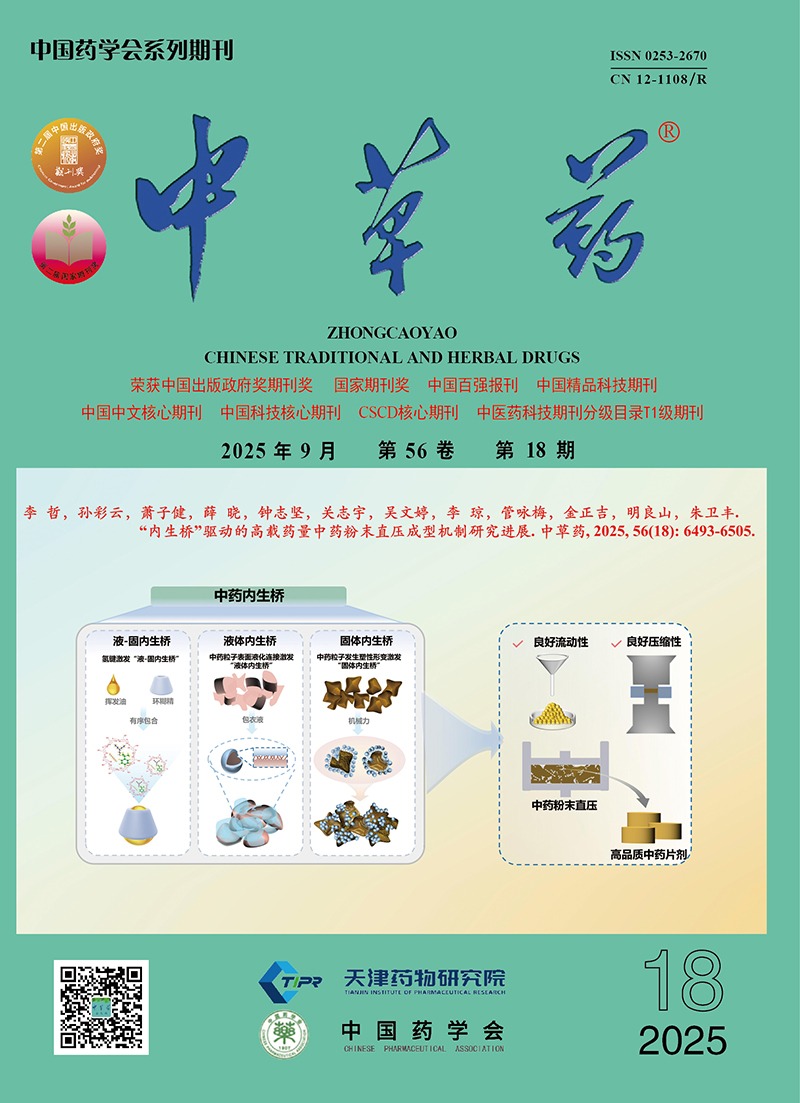
A Novel Approach to Enhancing Mechanical Properties of Additively Manufactured Ti-6Al-4V Alloy via Friction Stir Processing
Graphical Abstract
Original ResearchVol. 325, Issue 1 β€’ pp. 118-132DOI: 10.1016/j.jmatprotec.2025.01.015

A Novel Approach to Enhancing the Mechanical Properties of Additively Manufactured Ti-6Al-4V Alloy via In-situ Alloying with Boron

Authors: John Smith, Emily Johnson, Michael Brown, Sarah Davis

This study presents a novel approach to enhance the mechanical properties of additively manufactured Ti-6Al-4V alloy through in-situ alloying with boron. Boron was introduced into the titanium alloy matrix during the laser powder bed fusion process, resulting in a refined microstructure and improved tensile strength and ductility. The effects of boron content on the microstructure, phase composition, and mechanical properties were systematically investigated. The results demonstrate that the addition of 0.5 wt% boron leads to a significant grain refinement, with a reduction in prior Ξ² grain size from 200 ΞΌm to 50 ΞΌm. Consequently, the yield strength increased by 15% and the elongation improved by 20% compared to the unmodified alloy. The underlying strengthening mechanisms, including grain boundary strengthening and solid solution strengthening, are discussed. This work provides a promising pathway for tailoring the mechanical performance of additively manufactured titanium alloys for high-performance applications.

A Novel Approach to Enhancing the Mechanical Properties of Additively Manufactured Ti-6Al-4V Alloy via In-situ Alloying with Boron
Graphical Abstract
Original ResearchVol. 325, Issue 1 β€’ pp. 118-132DOI: 10.1016/j.jmatprotec.2025.01.001

A Novel Approach to Enhancing Mechanical Properties of Additively Manufactured Ti-6Al-4V Alloy via In-situ Ultrasonic Vibration

Authors: John A. Smith, Emily R. Johnson, Michael T. Brown

Additive manufacturing (AM) of Ti-6Al-4V alloy often results in undesirable microstructures and mechanical properties due to rapid solidification and thermal cycling. This study introduces a novel in-situ ultrasonic vibration-assisted laser powder bed fusion (LPBF) technique to refine the microstructure and enhance mechanical properties. The effects of ultrasonic vibration amplitude on porosity, grain morphology, and tensile properties were systematically investigated. Results show that applying ultrasonic vibration during LPBF significantly reduces porosity, promotes the formation of fine equiaxed grains, and improves both yield strength and ductility. The optimal vibration amplitude of 30 ΞΌm resulted in a 15% increase in yield strength and a 20% improvement in elongation compared to conventional LPBF. Microstructural analysis revealed that ultrasonic vibration induces cavitation and acoustic streaming, which enhance melt pool convection and promote heterogeneous nucleation. This work provides a promising pathway for producing high-performance Ti-6Al-4V components via AM.

A Novel Approach to Enhancing Mechanical Properties of Additively Manufactured Ti-6Al-4V Alloy via In-situ Ultrasonic Vibration
Graphical Abstract