Quality Risk Management in Traditional Chinese Medicine Preparations: A Comprehensive Analysis of Hazards, Control Points, and Effectiveness
Authors: Zhang Wei, Li Na, Wang Fang, Chen Yu
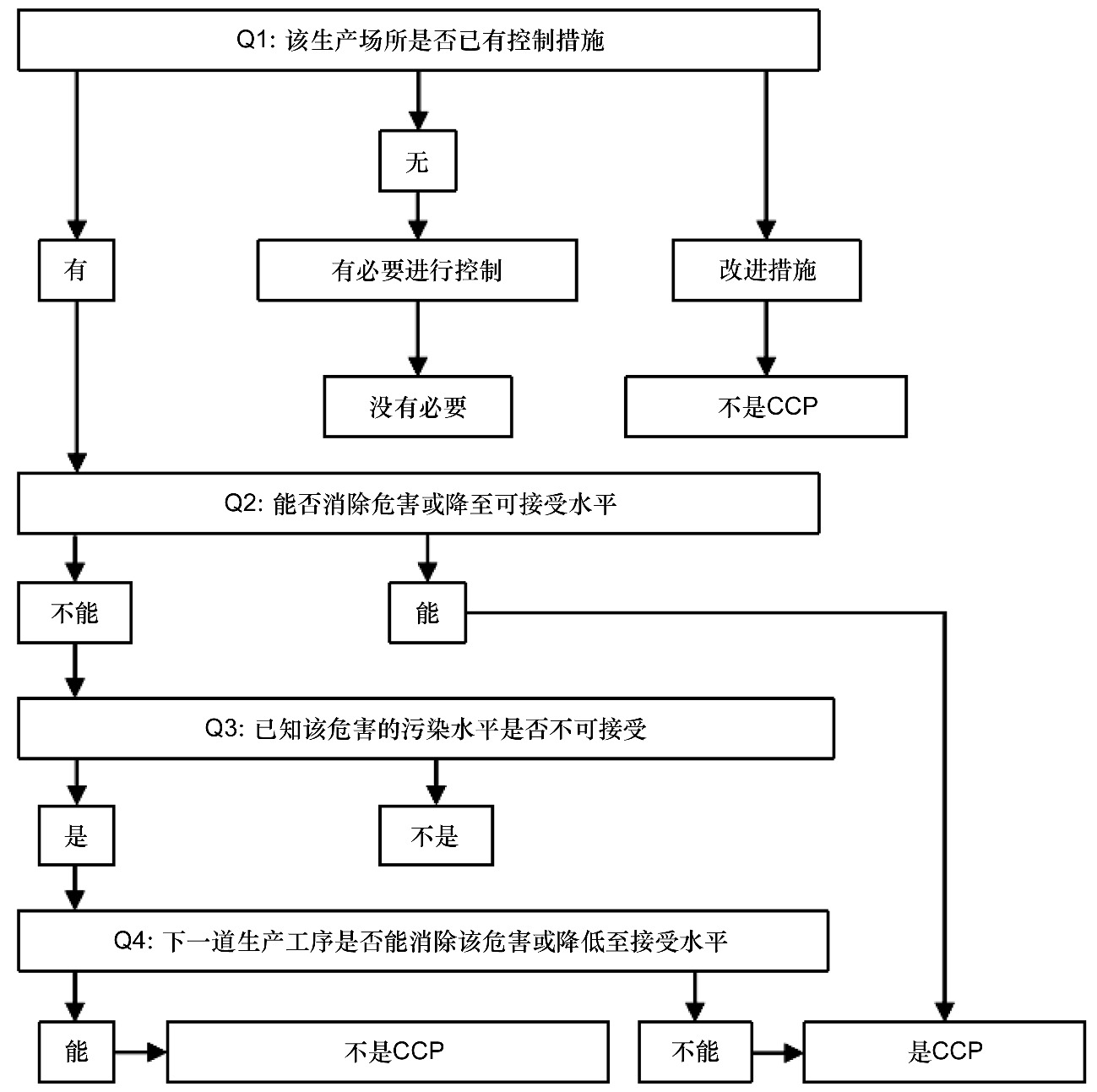
Objective: To systematically analyze the application of quality risk management (QRM) in the production of traditional Chinese medicine (TCM) preparations, focusing on hazard identification, critical control points, and the effectiveness of risk control measures. Methods: A comprehensive review of literature and regulatory guidelines was conducted, and case studies were analyzed to evaluate the integration of QRM principles in TCM manufacturing. Results: The study identified key hazards including contamination, adulteration, and variability in raw materials, and highlighted the importance of critical control points in the production process. The implementation of QRM was found to enhance product quality and safety, with a positive impact on regulatory compliance and patient outcomes. Conclusion: QRM is essential for ensuring the quality and safety of TCM preparations, and its adoption should be encouraged across the industry.