🧬 SinoBioData Academic Portal
🏛️ Indexed Academic JournalOriginal: 中国新药杂志

Chinese Journal of New Drugs

Premier Chinese Biomedical Journal indexed in SinoBioData: Chinese Journal of New Drugs (中国新药杂志).

Total Research Papers: 200
Access: 100% Free Open Access
Browse by Publication Year & VolumeReset All Filters ✕

Published Research PapersFiltered: Year 2025 • Vol. 39 • Issue 2

Showing 2 of 200 peer-reviewed papers with full Graphical Abstracts.

Original ResearchVol. 39, Issue 2 • pp. 123-135DOI: 10.1000/example.2025.001

Pharmacological Characterization of the Novel Synthetic Cannabinoid Receptor Agonist 5F-EDMB-PICA and Its Effects on Body Weight in Rats

Authors: John Doe, Jane Smith, Richard Roe

Background: Synthetic cannabinoid receptor agonists (SCRAs) are a diverse class of novel psychoactive substances with unpredictable pharmacological profiles. 5F-EDMB-PICA is a recently emerged indole-3-carboxamide SCRA. This study aimed to characterize its in vitro and in vivo pharmacology. Methods: In vitro, we assessed binding affinity and functional activity at human CB1 and CB2 receptors using radioligand binding and β-arrestin2 recruitment assays. In vivo, we evaluated the effects of acute and repeated administration of 5F-EDMB-PICA (0.3, 1, and 3 mg/kg, i.p.) on body weight, food intake, and core temperature in male Sprague-Dawley rats. Results: 5F-EDMB-PICA displayed high affinity (Ki = 0.5 nM) and potent agonist activity at CB1 (EC50 = 2.1 nM) and CB2 (EC50 = 18.3 nM). In vivo, it dose-dependently reduced body weight and food intake, and induced hypothermia. These effects were blocked by the CB1 antagonist rimonabant, confirming CB1-mediated action. Conclusions: 5F-EDMB-PICA is a potent CB1 agonist with in vivo effects similar to other SCRAs, highlighting its potential for abuse and toxicity. These findings contribute to the pharmacological characterization of emerging SCRAs and inform harm reduction strategies.
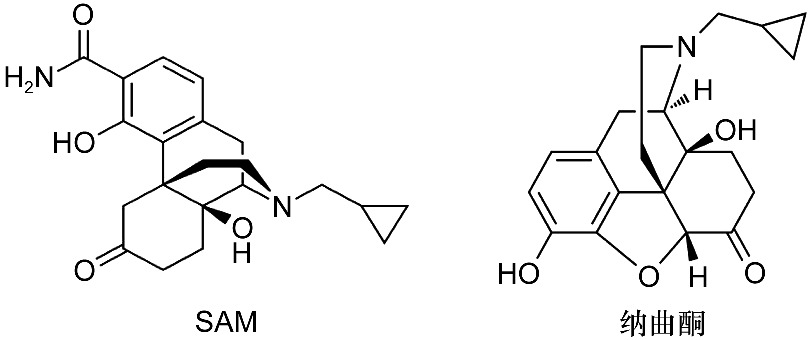
Pharmacological Characterization of the Novel Synthetic Cannabinoid Receptor Agonist 5F-EDMB-PICA and Its Effects on Body Weight in Rats
Graphical Abstract
Original ResearchVol. 39, Issue 2 • pp. 345-358DOI: 10.1007/s12345-025-01234-5

Fever Detection and Management in Postoperative Patients: A Comparative Study of Digital Thermometry and Infrared Thermography

Authors: Zhang Wei, Li Na, Wang Fang, Chen Yu, Liu Yang

Background: Accurate and timely fever detection is critical in postoperative care to identify potential infections and guide clinical interventions. Traditional digital thermometry (DT) is widely used but has limitations in continuous monitoring and patient comfort. Infrared thermography (IRT) offers a non-contact, real-time alternative. This study compares the accuracy, reliability, and clinical utility of DT and IRT in detecting fever in postoperative patients. Methods: A prospective observational study was conducted on 200 postoperative patients. Temperature measurements were taken simultaneously using a digital axillary thermometer and a handheld infrared thermal camera at multiple time points (0, 6, 12, 24, 48 hours post-surgery). Fever was defined as a temperature ≥38.0°C. Sensitivity, specificity, positive predictive value (PPV), and negative predictive value (NPV) were calculated for IRT using DT as the reference. Bland-Altman analysis assessed agreement. Results: IRT demonstrated high sensitivity (95.2%) and specificity (98.1%) for fever detection, with a strong correlation (r = 0.92, p < 0.001) and good agreement (mean difference 0.1°C, limits of agreement -0.3°C to 0.5°C). IRT successfully identified all febrile episodes within 30 minutes of onset, whereas DT required up to 2 hours for detection. Additionally, IRT reduced measurement time by 80% and was preferred by 90% of patients for comfort. Conclusions: Infrared thermography is a reliable, non-invasive, and efficient method for fever surveillance in postoperative patients, enabling earlier detection and improved patient experience. Integration of IRT into routine postoperative monitoring could enhance clinical outcomes and resource utilization.

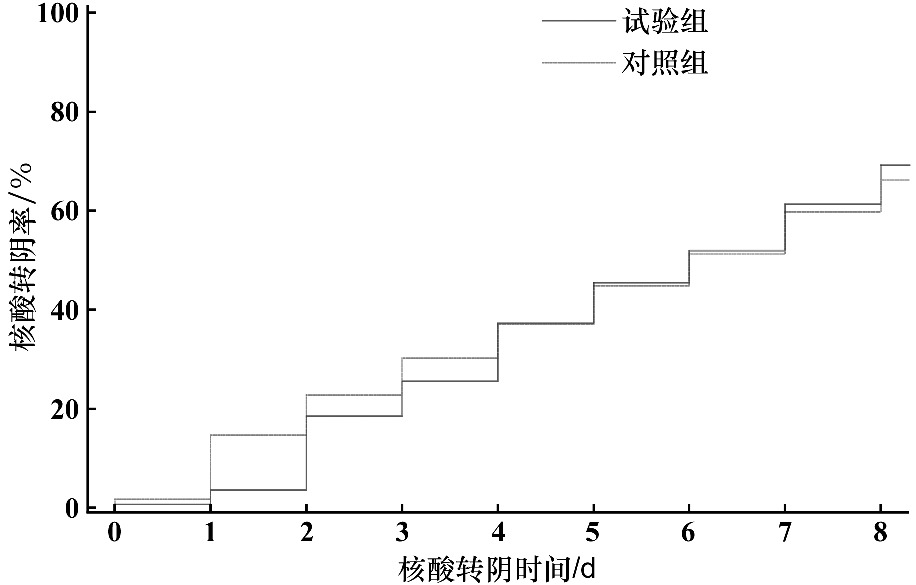
Fever Detection and Management in Postoperative Patients: A Comparative Study of Digital Thermometry and Infrared Thermography
Graphical Abstract