Key Takeaways & Executive Findings
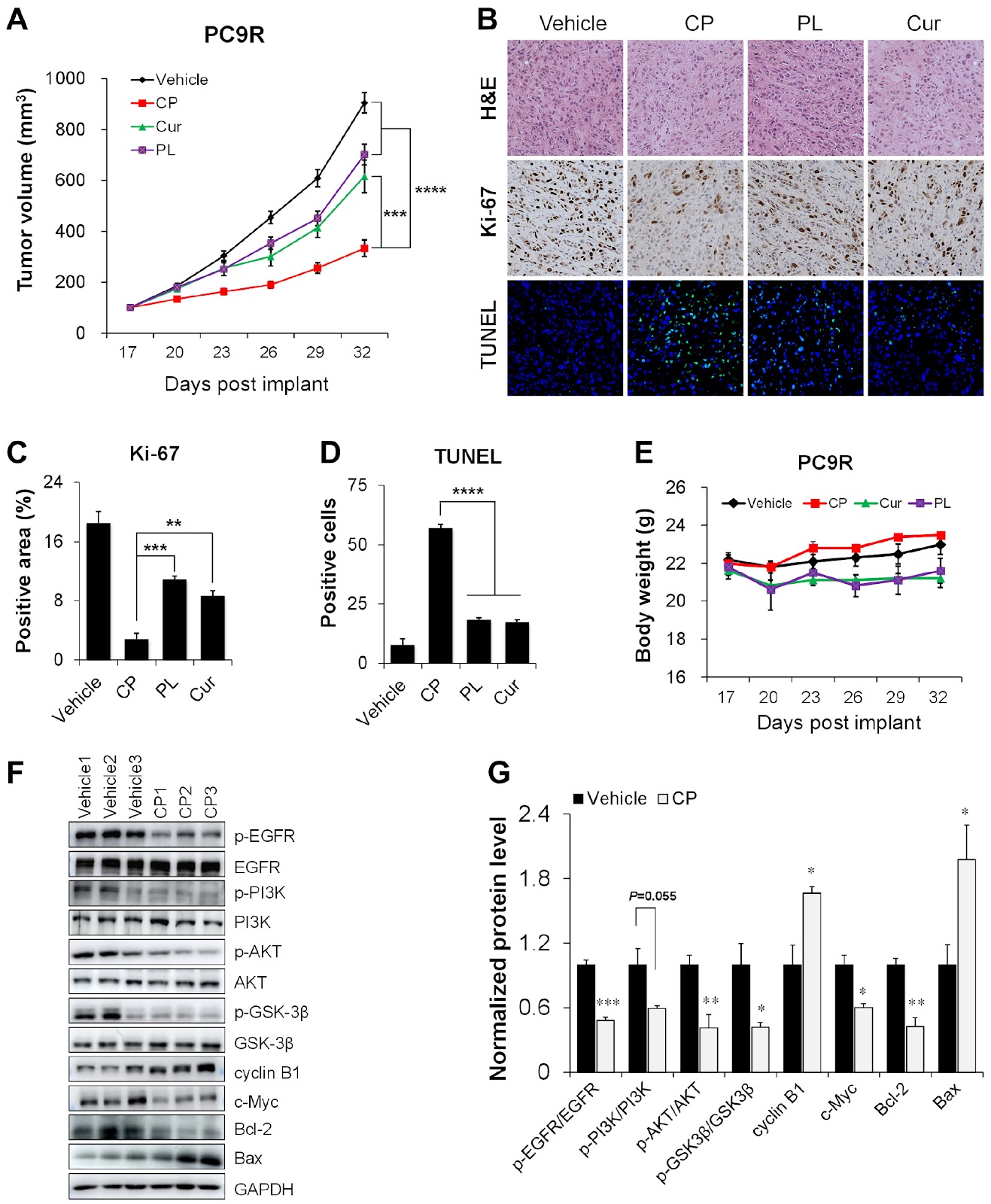
- •• • CP suppresses phosphorylation of EGFR, PI3K, AKT, and GSK-3β, directly disrupting the PI3K/AKT signaling axis that drives acquired resistance to third-generation EGFR-TKIs; this dual-pathway blockade is clinically relevant because bypass activation of PI3K/AKT accounts for a substantial fraction of osimertinib failures. • • Network pharmacology identified 10 core targets (EGFR, SRC, PIK3R, PIK3CA, KDR, MET, GRB2, PIK3CB, HSP90AA1, ITGB1) with KEGG enrichment converging on PI3K/AKT; this target set overlaps with known resistance drivers such as MET amplification and SRC activation, indicating CP may address multiple resistance mechanisms simultaneously. • • CP induces G2/M phase cell cycle arrest and apoptosis in AZD9291-resistant NSCLC cells at concentrations exceeding the activity of parent compounds curcumin and piperlongumine; the hybrid scaffold therefore overcomes the poor bioavailability and modest potency that have historically limited clinical translation of these natural products. • • In vivo xenograft experiments confirmed growth inhibition of EGFR-TKI-resistant lung cancer, establishing that CP's activity is not an artifact of monolayer culture; however, the study does not report pharmacokinetic parameters (AUC, Cmax, half-life) or toxicity thresholds, which are prerequisites for advancing to IND-enabling studies.
China Biomedical & Cell Therapy Radar
Get verified English translations, SEM micrographs & open-access PDF alerts from China's leading state key laboratories delivered to your inbox every Monday at 08:00 EST.
Abstract
Acquired resistance to third-generation EGFR tyrosine kinase inhibitors (TKIs) such as osimertinib (AZD9291) remains an unresolved clinical bottleneck in non-small cell lung cancer (NSCLC), with median progression-free survival plateauing at 18.9 months. This study evaluates CP, a novel curcumin-piperlongumine hybrid molecule, against AZD9291-resistant NSCLC using network pharmacology, molecular docking, and in vitro/in vivo validation. PPI network analysis of intersecting targets identified EGFR, SRC, PIK3R, PIK3CA, KDR, MET, GRB2, PIK3CB, HSP90AA1, and ITGB1 as core nodes, with KEGG enrichment converging on the PI3K/AKT signaling axis. Molecular docking confirmed hydrogen-bond-mediated binding between CP and these targets. Western blot analysis demonstrated that CP markedly suppressed phosphorylation of EGFR, PI3K, AKT, and GSK-3β. Functionally, CP arrested the cell cycle at G2/M and induced apoptosis in drug-resistant NSCLC cells, with enhanced potency relative to parent compounds curcumin and piperlongumine. In vivo xenograft experiments corroborated growth inhibition. The data position CP as a dual-pathway inhibitor targeting both EGFR and PI3K/AKT cascades, providing a mechanistic rationale for its development as a therapeutic candidate in EGFR-TKI-resistant advanced NSCLC. The unresolved question of whether GSK-3β inhibition operates independently of EGFR-AKT signaling warrants further investigation.
1. Introduction
Osimertinib (AZD9291), an irreversible third-generation EGFR-TKI, achieves high selectivity against activating EGFR mutations including T790M, yet acquired resistance emerges inevitably, with median progression-free survival of 18.9 months. Resistance mechanisms bifurcate into EGFR-dependent alterations, bypass pathway activation (MET, SRC, PI3K/AKT), and histological transformation. The PI3K/AKT/mTOR cascade represents a dominant downstream node through which resistant clones sustain proliferation and evade apoptosis. Existing therapeutic strategies—combining EGFR-TKIs with single-pathway inhibitors—have produced modest and transient responses, largely because redundant signaling networks compensate for isolated target suppression.
Curcumin and piperlongumine each exhibit antitumor and tyrosine kinase inhibitory activity, but their clinical translation has stalled due to poor aqueous solubility, rapid metabolic clearance, and insufficient potency as monotherapies. The present study addresses this bottleneck by covalently hybridizing curcumin and piperlongumine into a single molecule (CP) designed to engage both EGFR and PI3K/AKT signaling. Using network pharmacology to prioritize targets, molecular docking to confirm binding, and in vitro/in vivo models of AZD9291-resistant NSCLC, the authors test whether CP's dual-target architecture translates into superior growth inhibition and apoptosis induction relative to parent compounds. The experimental protocol specifically interrogates whether GSK-3β suppression occurs downstream of or parallel to EGFR-AKT blockade—a mechanistic distinction with implications for patient stratification.
Loading authentic research manuscript (Pages 1–5)...
WANG Shiyu, LAI Yinshuang, HUANG Huijing, YUAN Jing, LI Shanxin, HUI Min, WANG Peipei, CHEN Bingbing, LIU Zhiguo, QIAN Jianchang, ZHANG Qianwen (2025). Exploring the antitumor effect of curcumin-piperlongumine hybrid molecule (CP) on EGFR-TKI-resistant non-small cell lung cancer using network pharmacological analysis and experimental verification. Acta Biochimica et Biophysica Sinica. https://doi.org/10.3724/abbs.2025076
Research & Educational Purpose Only: The translations, structured abstracts, analytical annotations, and data reports provided by SinoBioDataare intended exclusively for academic research, internal corporate R&D, and educational benchmarking. They do not constitute formal engineering, chemical safety, legal, or professional advice.
Copyright & Intellectual Property Notice: Original copyright of the underlying source articles and experimental data remains with the respective authors, institutions, and original publishing journals. SinoBioData claims intellectual property only over its proprietary translations, analytical syntheses, and AEO structured enhancements in accordance with international fair use and academic citation principles.
Frequently Asked Questions
What is the specific mechanism by which CP overcomes AZD9291 resistance, and does it address bypass pathway activation?
CP simultaneously inhibits phosphorylation of EGFR, PI3K, AKT, and GSK-3β, as demonstrated by western blot analysis. Network pharmacology identified core targets including MET, SRC, and PIK3CA—all established bypass drivers of EGFR-TKI resistance. This multi-node suppression distinguishes CP from single-target TKIs and suggests it may retain activity against resistant clones harboring MET amplification or SRC hyperactivation, though direct testing against such defined resistance models was not reported.
What are the pharmacokinetic and toxicity profiles of CP, and are they sufficient for clinical development?
The paper does not report pharmacokinetic parameters (AUC, Cmax, t1/2, clearance) or maximum tolerated dose in animal models. In vivo efficacy was demonstrated, but without exposure-response relationships or organ toxicity data, the therapeutic index remains undefined. For a hybrid natural product derivative, metabolic stability and oral bioavailability are critical liabilities that must be quantified before IND filing.
Is GSK-3β inhibition by CP dependent on or independent of EGFR-AKT signaling?
The authors explicitly state this question requires further investigation. Their data show concurrent suppression of EGFR-AKT and GSK-3β activity, but do not establish hierarchy. Prior work in SRPK1-overexpressing cells demonstrated that AKT blockade failed to inhibit GSK-3β phosphorylation, suggesting potential pathway independence. Resolving this requires genetic ablation or pharmacological dissection experiments.
How does CP's potency compare to parent compounds, and what formulation challenges remain?
CP exhibits enhanced biological activity relative to curcumin and piperlongumine, including superior growth inhibition and apoptosis induction in drug-resistant NSCLC cells. However, the hybrid molecule's molecular weight and lipophilicity likely remain high, and no solubility, stability, or formulation data are presented. These parameters determine whether CP can be delivered at efficacious doses without excipient-mediated toxicity.
What in vivo evidence supports CP's efficacy, and what are the limitations of the xenograft model used?
CP inhibited tumor growth in an AZD9291-resistant lung cancer xenograft model. However, the model's immune-deficient background precludes assessment of immunomodulatory effects, and the study does not report tumor regression rates, survival benefit, or resistance emergence under treatment. These endpoints are essential for predicting clinical translation in immunocompetent patients.
Related Chinese Research & Cross-Citations
miR-199a-3p suppresses Vldlr expression to promote cardiomyocyte proliferation
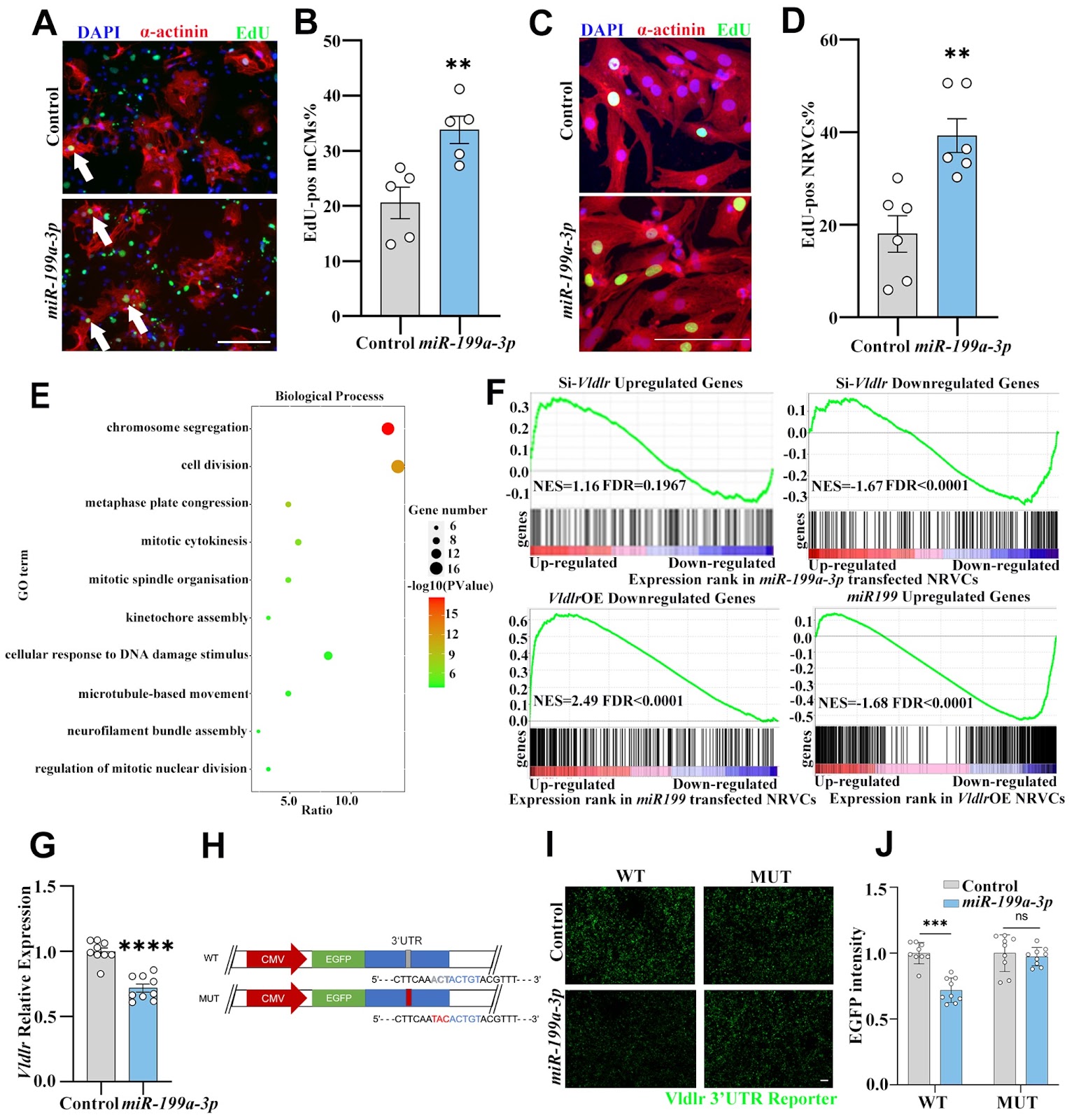
The proliferative capacity of cardiomyocytes is limited in adult mammals, and replacing lost tissue following acute ischemic injury is challenging. Previous studies have demonstrated that miR-199a-3p can promote cardiomyocyte proliferation, but the exact mechanism by which this occurs remains unclear, although multiple targets of miR-199a-3p have been identified. We recently showed that very-low-density-lipoprotein receptor (Vldlr) inhibits cardiomyocyte proliferation, and in this study we aim to test whether Vldlr is a functional target gene of miR-199a-3p. 3′UTR reporter assays demonstrate that miR-199a-3p directly binds to the 3′UTR of Vldlr and inhibits its translation. Overexpressing Vldlr blunts the pro-proliferative effect of miR-199a-3p on cardiomyocytes, suggesting that Vldlr is indeed a functional target of miR-199a-3p. Mechanistically, Vldlr reduces S807/811 phosphorylation of RB1, and inhibiting CDK4/6 to prevent RB1 phosphorylation can block the pro-proliferative effect of both Vldlr knockdown and miR-199a-3p, suggesting that RB1 phosphorylation is required for the cardiomyocyte proliferation induced by miR-199a-3p and Vldlr knockdown. The findings of this study reveal Vldlr as a novel functional target of miR-199a-3p in cardiomyocytes and identify RB1 as a downstream effector of cardiomyocyte proliferation. The identification of the role of the miR-199a-3p-Vldlr-RB1 axis in cardiomyocyte proliferation may provide potential therapeutic targets for cardiac regenerative medicine.
A positive feedback loop between FOSB and miR-133b controls colon cancer cell proliferation
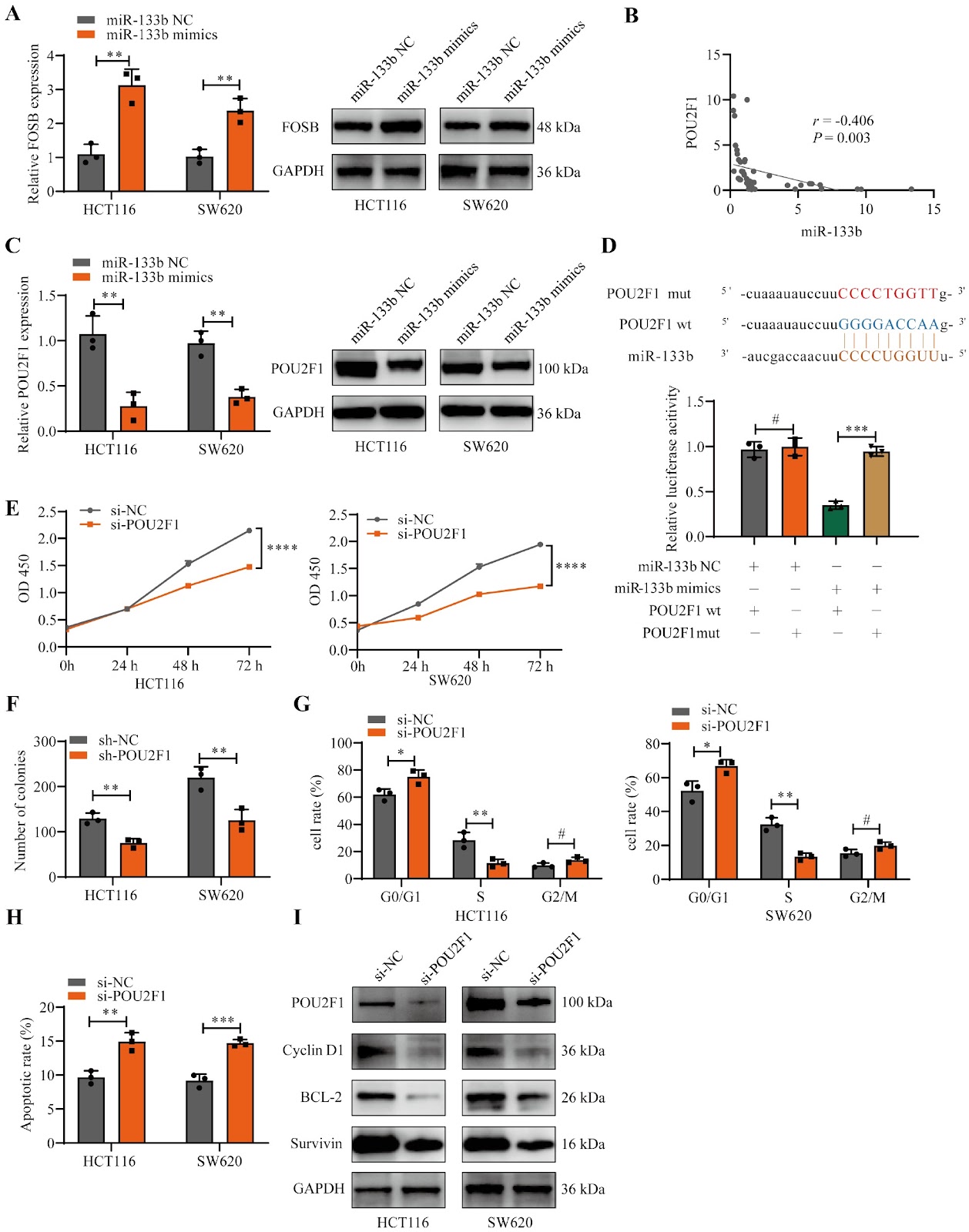
FOSB, a member of the FOS gene family, forms heterodimers with JUN family proteins to engage in diverse cellular processes. Its biological impacts vary among different types of tumors, yet its specific function in colon cancer (CC) remains ambiguous. In this study, quantitative real-time PCR (qRT-PCR) and immunohistochemistry (IHC) are applied to measure FOSB expression levels, followed by an analysis of the association between FOSB expression and patients’ clinical parameters. In vitro experiments are performed to assess cell proliferation, including growth rate, cell cycle distribution, and apoptosis. A subcutaneous xenograft model in nude mice is utilized to monitor tumor growth in vivo. Additionally, chromatin immunoprecipitation (ChIP) and luciferase reporter assays are conducted to dissect the interactions among FOSB, miR-133b, and POU2F1. The results indicate that FOSB expression is downregulated in CC tissues relative to normal controls. Overexpression of FOSB suppresses proliferation and promotes apoptosis in CC cells. Mechanistically, FOSB binds to the promoter region of miR-133b, enhancing its transcription and subsequently repressing POU2F1 expression. Notably, decreased POU2F1 expression also alleviates the transcriptional repression of the FOSB promoter region, establishing a FOSB-miR-133b-POU2F1 feedback loop that inhibits CC proliferation. In summary, our findings suggest that FOSB acts as a tumor suppressor gene in CC and may exert its inhibitory effects on CC growth via the FOSB-miR-133b-POU2F1 feedback loop.
Reduced expression of the PER2 protein contributes to β1-AA-induced cardiac autophagy rhythm disorders
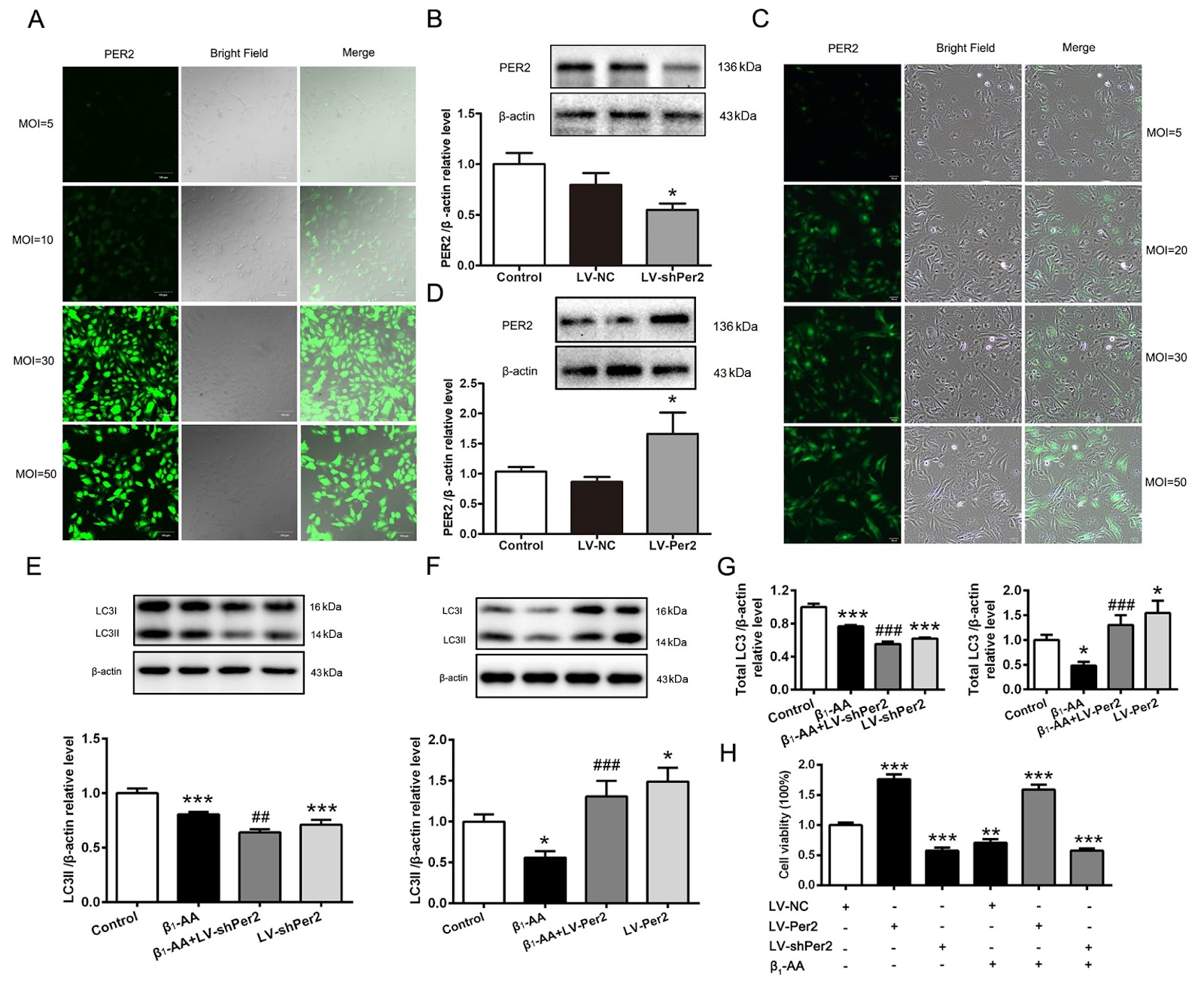
Heart failure may be linked to fluctuations in the rhythm of autophagy in cardiomyocytes throughout the day. Circadian rhythms depend on the regulation of core biological clock proteins, with PER2 playing a crucial role. Our previous research confirmed that the presence of β1-adrenergic receptor autoantibodies (β1-AAs) could inhibit myocardial autophagy, leading to cell death and heart failure. However, it remains unclear whether β1-AA induces cardiac autophagy rhythm disorders by affecting PER2 expression. In this study, we find that β1-AA disrupts the autophagy rhythm in cardiomyocytes, which is primarily indicated by decreased expression of the autophagy marker protein LC3. β1-AA disrupts the rhythmic expression of the PER2 protein in myocardial cells, which is manifested mainly by a decrease in PER2 protein expression. Metoprolol is used to verify that the β1-adrenergic receptor contributes to the reduction in the Per2 protein caused by β1-AA. Knockdown of Per2 with lentivirus reduces the inhibition of LC3 expression caused by β1-AA, whereas overexpression of Per2 in cardiomyocytes using lentivirus significantly restores the β1-AA-induced decrease in LC3 expression. Moreover, mTORC1 activation is found to participate in β1-AA-induced autophagy inhibition in cardiomyocytes after pretreatment with the mTORC1 inhibitor rapamycin. Furthermore, the decreased expression of the PER2 protein caused by β1-AA disrupts the myocardial autophagy rhythm by promoting mTORC1 activation through lentiviruses that knock down or overexpress the Per2 gene. This study provides an experimental basis for the precise treatment of cardiovascular diseases from the perspective of biological rhythm.
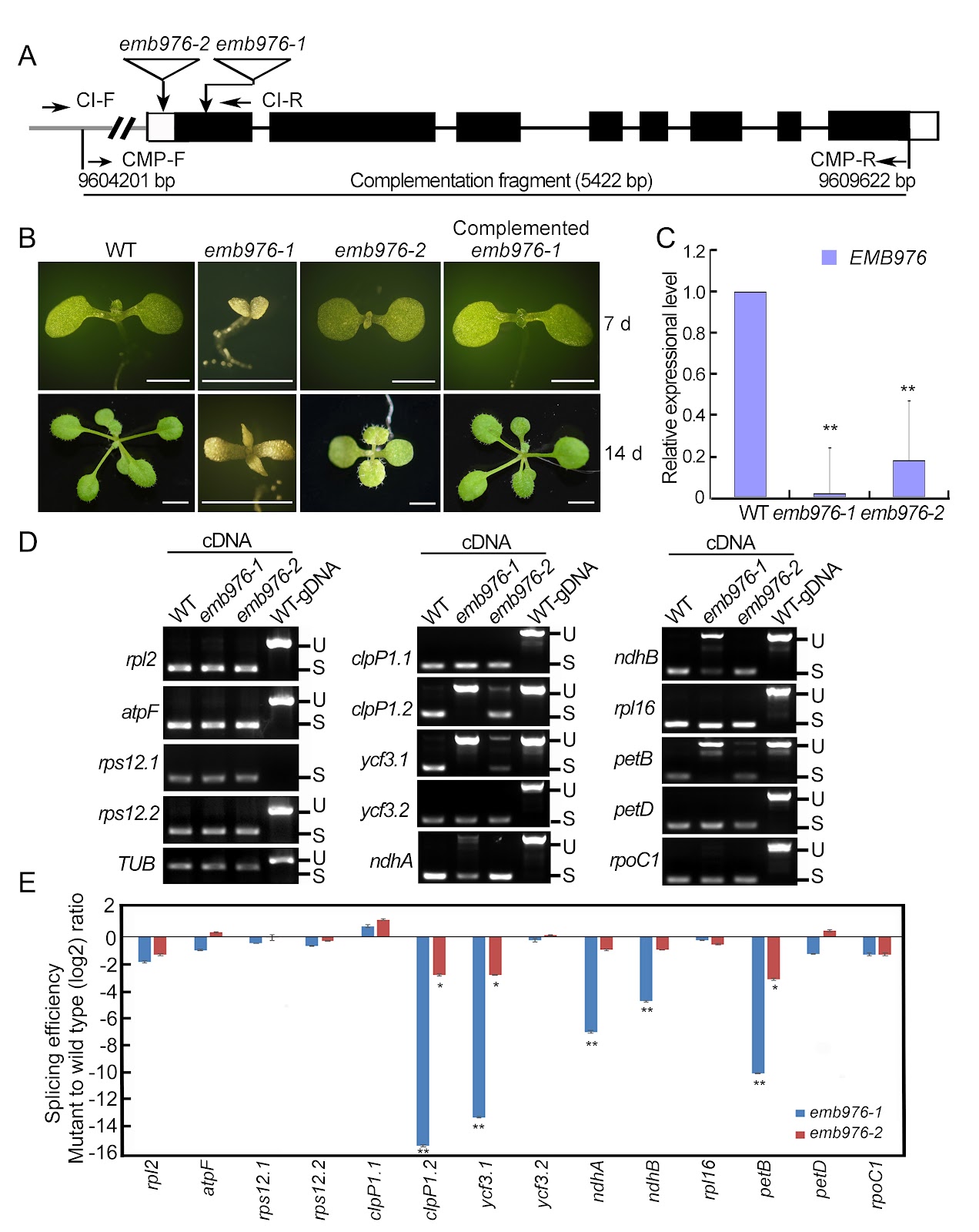
A protein-RNA complex orchestrated by EMB1006, EMB1270, EMB976, and CFM2 facilitates clpP1 intron 2 splicing in Arabidopsis chloroplasts
In Arabidopsis, the PPR proteins EMB1006, EMB1270, and EMB976 are all essential for the splicing of plastid clpP1 intron 2 (clpP1.2), although each also targets other distinct RNAs. The precise mechanism underlying their co-ordinated action in clpP1.2 splicing remains unclear. In this study, RNA electrophoretic mobility shift assays, guided by PPR code prediction, confirm that EMB1006 specifically binds to a sequence near the 3′ end of clpP1 exon 2. Additionally, immunoprecipitation coupled with mass spectrometry reveals that EMB1006 forms a complex with EMB1270, EMB976, and CFM2. Direct interactions between EMB1006 and EMB1270 or CFM2 are further supported by yeast two-hybrid (Y2H) and semi-in vivo pull-down assays. However, no direct interactions between EMB976 and EMB1006, CFM2 or EMB1270 are detected by Y2H. Based on these findings and previous evidence that EMB1270 binds to clpP1 intron 2 and interacts with CFM2, we propose a model in which EMB1006 and EMB1270 bind to distinct sites on clpP1 pre-mRNA. Together with CFM2 and possible indirect association with EMB976, they assemble into a protein-RNA complex that facilitates the splicing of clpP1.2 in chloroplasts.
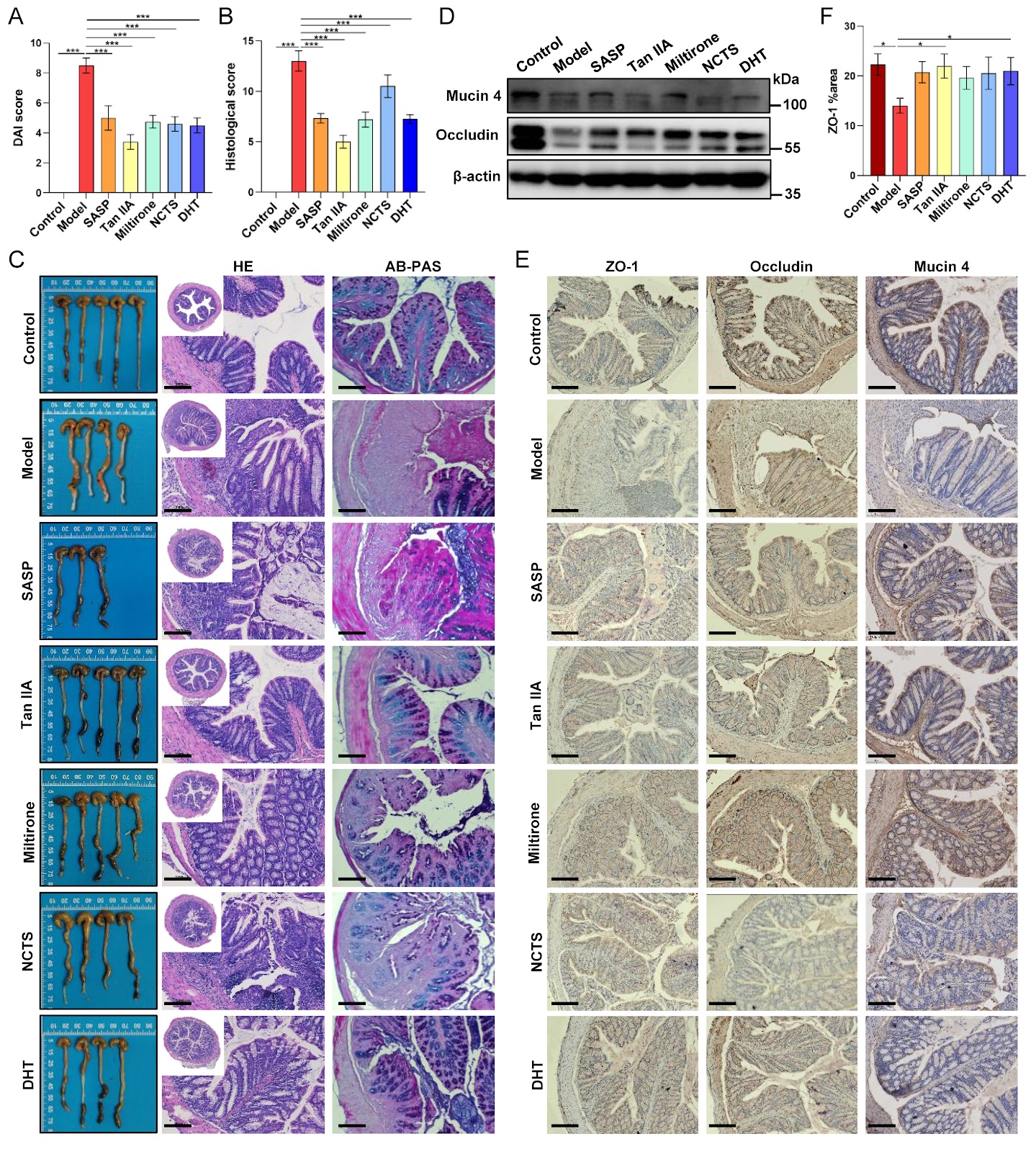
Tanshinones from Salvia miltiorrhiza alleviate ulcerative colitis via reprogramming the gut microbiota-metabolite axis
The anti-inflammatory properties of the traditional herb Salvia miltiorrhiza Bunge are well-established, yet its precise mechanism of action in ulcerative colitis (UC) remains unclear. Herein, we evaluate the therapeutic potential of four major tanshinones–tanshinone IIA (Tan IIA), miltirone, neocryptotanshinone, and dihydrotanshinone I–in a murine dextran sulfate sodium (DSS)-induced colitis model. Our results show that tanshinones effectively alleviate disease severity, suppress systemic and local inflammation, and restore intestinal barrier integrity. Integrated multi-omics analysis reveals that the therapeutic efficacy originates from a comprehensive reprogramming of the gut microbiota-metabolite axis. Specifically, tanshinones reverse colitis-associated dysbiosis and rectify metabolic disturbances in linoleic acid metabolism, bile acid biosynthesis, and amino acid utilization. Correlation network analysis identifies key functional modules linking beneficial microbes (e.g., Akkermansia) to anti-inflammatory lipid mediators and associating pathobionts (e.g., Desulfovibrio) with disrupted bile acid metabolism. Notably, supplementation with Akkermansia muciniphila synergizes with Tan IIA to amplify barrier restoration and metabolic normalization. Our findings establish that tanshinones ameliorate UC through microbiota-driven metabolic reprogramming, wherein the restructured microbial community actively shapes a therapeutic metabolic output. This work elucidates a metabolite-mediated mechanism of action and positions tanshinones as promising microbiome-targeting therapeutics for inflammatory bowel disease.
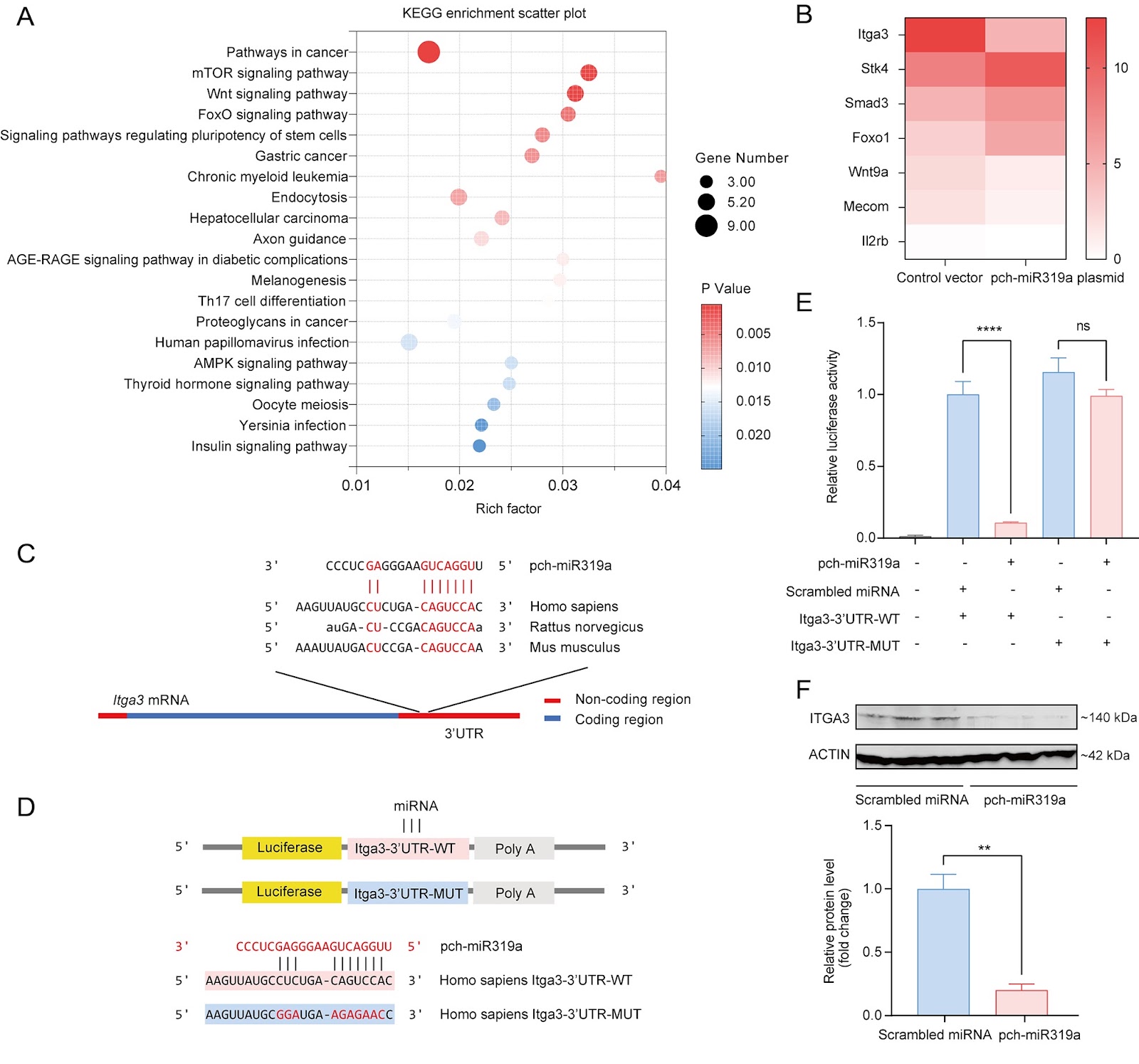
Distinct miR319a identified from Persicaria chinensis mediates cross-kingdom suppression of cervical cancer by targeting ITGA3
Persicaria chinensis, a well-known traditional Chinese medicinal herb that is both edible and medicinal, has been widely acknowledged for its therapeutic effects, such as anti-inflammatory, antioxidant, and antitumor activities. However, the role of miRNAs from this plant in the cross-kingdom regulation of human diseases has not been investigated. In this study, we analyze the miRNA expression profile of P. chinensis using high-throughput sequencing and identify a total of 673 miRNAs, including 422 novel miRNAs that are unique to this plant and 251 conserved miRNAs. Among the conserved miRNAs, pch-miR319a is found to be the most abundant. Moreover, food-oriented pch-miR319a accumulates in the uterus and tumors and exhibits a rich repertoire of target genes within cancer-related pathways, demonstrating significant cross-kingdom regulatory potential. Utilizing the dual-luciferase reporter gene assay, we demonstrate that pch-miR319a from P. chinensis targets the Itga3 gene, which is associated with cervical cancer progression. Overexpression of pch-miR319a significantly decreases the viability, migration, and induces apoptosis of HeLa cervical cancer cells in vitro. Moreover, in a syngeneic mouse tumor model of cervical cancer, treatment with pch-miR319a effectively inhibits tumor growth and downregulates the expressions of ITGA3 and the proliferation marker Ki-67. Our study highlights the potential of pch-miR319a from P. chinensis as a novel therapeutic agent for cervical cancer by targeting ITGA3 and provides new insights into the cross-kingdom regulatory mechanisms of plant miRNAs in human diseases.