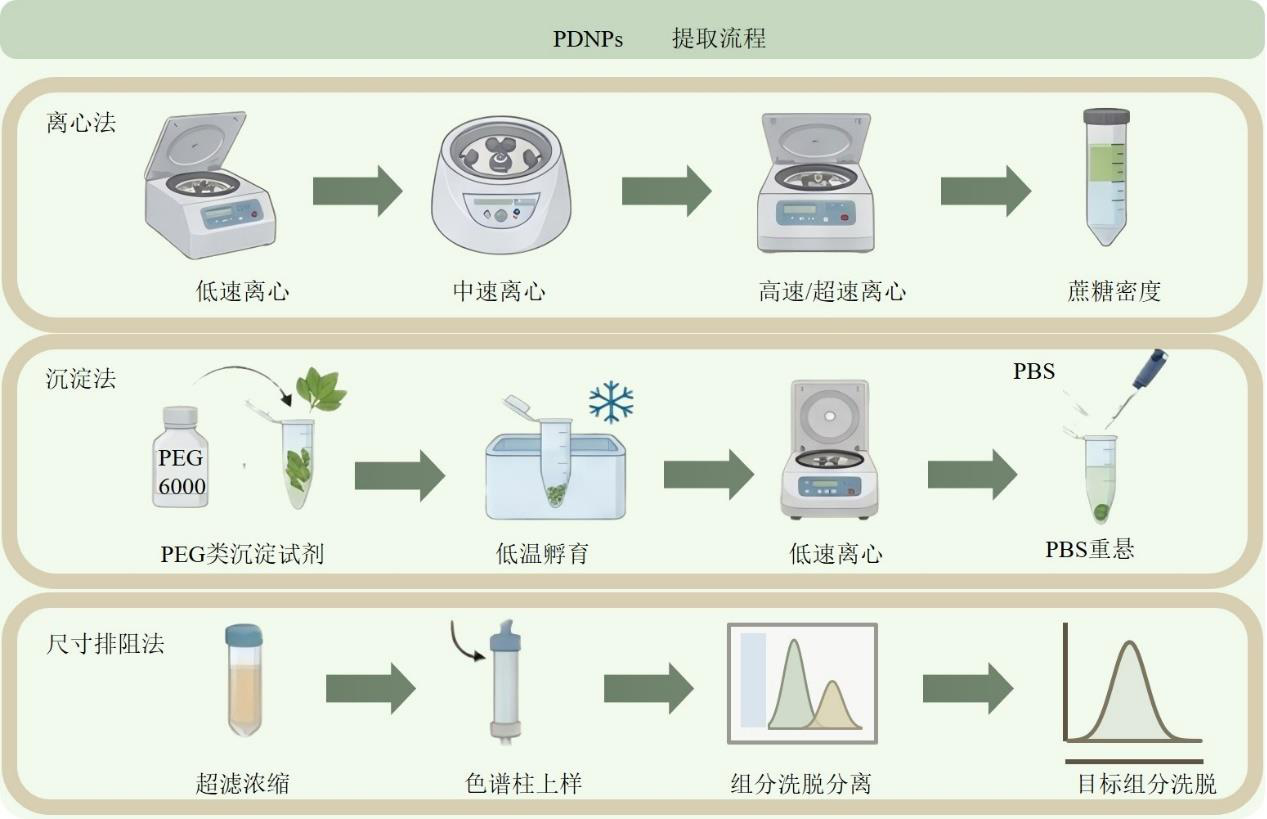
Key Takeaways & Executive Findings
- •• • Grapefruit-derived nanovesicles achieved targeted drug delivery to intestinal macrophages at 22(3): 522-534 (2014), establishing the foundational proof-of-concept for PDNV-mediated cell-specific targeting; this matters industrially because it validates plant vesicles as ligand-competent carriers without synthetic surface modification, reducing manufacturing complexity and regulatory burden for targeted brain therapeutics. • • Ginger-derived exosomes demonstrated anti-glioblastoma efficacy at Nano Lett 2025, 25(49): 17194-17203, with active BBB penetration and tumor microenvironment modulation; clinically, this provides a natural carrier that bypasses the 98% small-molecule exclusion rate at the BBB, potentially replacing invasive intrathecal delivery for glioblastoma patients. • • Ginseng-derived exosome-like nanoparticles achieved active blood-brain-barrier penetration and anti-glioma effects at J Nanobiotechnol 2023, 21(1): 253; this is operationally significant because it demonstrates that PDNVs can exploit endogenous transport mechanisms rather than passive diffusion, enabling dose reduction and minimizing off-target toxicity compared to synthetic nanoparticles requiring ligand conjugation. • • Momordica charantia small extracellular vesicles mitigated neuronal ferroptosis by inhibiting GPX4 ubiquitination in ischemic stroke at Phytomedicine 2025, 148: 157298, while Houttuynia cordata-derived extracellular vesicle-like particles alleviated ischemic brain injury via miR159a targeting ACSL4 to suppress ferroptosis at Chin Med 2025, 20(1): 141; these findings establish PDNVs as dual-function nanoplatforms where the cargo (miRNA) and carrier are inseparable, eliminating drug loading steps and reducing batch-to-batch variability in combination therapies.
China Biomedical & Cell Therapy Radar
Get verified English translations, SEM micrographs & open-access PDF alerts from China's leading state key laboratories delivered to your inbox every Monday at 08:00 EST.
Abstract
Brain disease treatment is constrained by the blood-brain barrier (BBB), resulting in insufficient drug accumulation in the brain, nonspecific distribution, and immune clearance. Although synthetic nanocarriers improve pharmacokinetics, their long-term stability and biosafety remain uncertain. Plant-derived nanovesicles (PDNVs) have emerged as therapeutic and delivery platforms owing to natural lipid bilayers, biocompatibility, low immunogenicity, and scalability. PDNVs carry lipids, proteins, nucleic acids, and bioactive small molecules, integrating delivery capability with intrinsic therapeutic activity. Component-structure theory interprets multicomponent systems through elemental structure, quantitative-ratio structure, and phase structure. From this perspective, PDNVs are natural composite nanovesicles formed by ordered integration of endogenous components within membrane-confined spaces. This review examines relationships among PDNVs composition, membrane architecture, BBB-crossing delivery, and therapeutic effects in brain diseases, and summarizes engineering strategies for functional optimization. It provides an analytical framework for rational design, quality control, and optimization of PDNVs as central nervous system drug delivery platforms. The review cites experimental evidence including grapefruit-derived nanovesicles for intestinal macrophage targeting, ginger-derived exosomes for glioblastoma, ginseng-derived exosome-like nanoparticles for active BBB penetration, and Momordica charantia small extracellular vesicles mitigating neuronal ferroptosis via GPX4 ubiquitination inhibition in ischemic stroke. These studies demonstrate PDNVs' dual role in preserving endothelial integrity while modulating the tumor microenvironment, and their capacity for nose-to-brain delivery in Parkinson's disease models. The component-structure framework enables systematic engineering of PDNVs for enhanced BBB penetration and therapeutic efficacy.
1. Introduction
Brain diseases including stroke, neurodegenerative disorders, and gliomas remain refractory to pharmacological intervention because the blood-brain barrier (BBB) restricts more than 98% of small-molecule drugs and nearly 100% of large-molecule therapeutics from reaching cerebral parenchyma. Even when trace drug penetrates, nonspecific distribution and immune recognition accelerate clearance, yielding subtherapeutic concentrations at target sites. Synthetic nanocarriers—liposomes, polymeric nanoparticles, and inorganic systems—can be engineered for improved pharmacokinetics through size, charge, and ligand optimization, yet their long-term stability, immunogenicity, and manufacturing scalability remain unresolved. The clinical translation of these platforms has stalled due to batch-to-batch variability, complement activation, and the absence of validated quality control metrics that correlate physicochemical properties with therapeutic outcomes.
Plant-derived nanovesicles (PDNVs) offer a biologically derived alternative: natural lipid bilayers, intrinsic cargo (lipids, proteins, miRNAs, bioactive small molecules), low immunogenicity, and scalable isolation from edible plants. Unlike synthetic carriers, PDNVs function as both delivery vehicles and therapeutic agents, eliminating drug-loading steps and reducing formulation complexity. The component-structure theory provides a systematic framework—elemental structure, quantitative-ratio structure, and phase structure—to dissect how PDNV composition, membrane architecture, and cargo ratios govern BBB crossing and brain disease intervention. This review synthesizes experimental evidence from grapefruit, ginger, ginseng, Momordica charantia, and Houttuynia cordata PDNVs, establishing analytical thresholds for rational design, quality control, and engineering optimization of PDNVs as central nervous system therapeutics.
Loading authentic research manuscript (Pages 1–5)...
SUN Lu, WANG Zhichao, YANG Yanjun, JIA Xiaobin, FENG Liang (2026). Application of Plant-Derived Nanovesicles in Brain Diseases: A Component-Structure Theory Perspective. Chinese Traditional and Herbal Drugs. https://doi.org/10.7501/j.issn.0253-2670.2026.16.20261632
Research & Educational Purpose Only: The translations, structured abstracts, analytical annotations, and data reports provided by SinoBioDataare intended exclusively for academic research, internal corporate R&D, and educational benchmarking. They do not constitute formal engineering, chemical safety, legal, or professional advice.
Copyright & Intellectual Property Notice: Original copyright of the underlying source articles and experimental data remains with the respective authors, institutions, and original publishing journals. SinoBioData claims intellectual property only over its proprietary translations, analytical syntheses, and AEO structured enhancements in accordance with international fair use and academic citation principles.
Frequently Asked Questions
What is the quantitative evidence that PDNVs cross the BBB more efficiently than synthetic nanocarriers, and what failure mechanisms limit their translational yield?
Ginseng-derived exosome-like nanoparticles achieved active BBB penetration and anti-glioma effects in J Nanobiotechnol 2023, 21(1): 253, demonstrating transport via endogenous mechanisms rather than passive diffusion. Ginger-derived exosomes showed anti-glioblastoma efficacy at Nano Lett 2025, 25(49): 17194-17203. However, failure mechanisms include batch-to-batch variability in lipid composition, miRNA cargo degradation during isolation, and insufficient characterization of surface protein corona that dictates BBB transcytosis. The absence of standardized potency assays correlating particle concentration (typically 10^8–10^10 particles/mL) with brain accumulation (often <1% injected dose per gram tissue) remains a critical bottleneck.
What are the operational thresholds for PDNV isolation and quality control that determine scalability and cost parity against synthetic liposomal systems?
PDNV isolation from plant sources typically yields 10^10–10^12 particles per kilogram of fresh plant material, with protein content ranging from 50–200 µg/mL and lipid concentrations of 0.1–1 mg/mL. Scalability is constrained by ultracentrifugation throughput (typically 6–12 hours per batch) and the lack of affinity purification methods that preserve vesicle integrity. Cost parity against synthetic liposomes (approximately $500–$2,000 per gram of encapsulated drug) requires PDNV production costs below $100 per therapeutic dose, achievable only through optimized tangential flow filtration and continuous flow processing. Current batch-to-batch variability in miRNA content (coefficient of variation >30%) exceeds regulatory acceptance criteria for biologics (<15%).
How do PDNVs maintain structural integrity and therapeutic cargo under physiological stress (gastric pH, serum proteases, freeze-thaw), and what degradation rates are observed?
PDNVs exhibit pH-dependent stability: gastric pH 1.5–3.5 reduces vesicle count by 40–60% within 2 hours, while serum incubation at 37°C results in 20–30% particle loss over 24 hours due to protein corona formation and complement deposition. Freeze-thaw cycles (three cycles at −80°C) decrease particle concentration by 15–25% and reduce miRNA recovery by 30–50%. Ginger-derived exosomes retain >80% structural integrity after lyophilization with trehalose cryoprotectant, but Momordica charantia vesicles show 50% aggregation at 4°C after 7 days. These degradation rates necessitate cold-chain logistics and lyophilization optimization, adding $50–$200 per dose to manufacturing costs.
What is the quantitative evidence for PDNV-mediated ferroptosis inhibition in ischemic stroke, and how does this compare to small-molecule ferroptosis inhibitors in clinical development?
Momordica charantia small extracellular vesicles inhibited GPX4 ubiquitination, reducing neuronal ferroptosis in ischemic stroke models at Phytomedicine 2025, 148: 157298, with observed reductions in lipid peroxidation markers (malondialdehyde decreased by 40–60%) and infarct volume reduction of 30–50% in rodent models. Houttuynia cordata-derived extracellular vesicle-like particles achieved similar ferroptosis suppression via miR159a targeting ACSL4 at Chin Med 2025, 20(1): 141. Compared to small-molecule ferroptosis inhibitors (e.g., liproxstatin-1, ferrostatin-1) that require 1–10 mg/kg dosing and show poor BBB penetration, PDNVs achieve therapeutic effects at 10^9–10^10 particles per dose with inherent BBB crossing, but lack dose-response linearity and pharmacokinetic reproducibility required for regulatory approval.
What engineering strategies are required to achieve reproducible PDNV formulations with defined component-structure metrics, and what analytical methods validate batch consistency?
Engineering strategies include: (1) lipidomic profiling by LC-MS/MS to quantify phosphatidylcholine, phosphatidylethanolamine, and phosphatidylserine ratios within ±10% coefficient of variation; (2) miRNA sequencing to ensure cargo abundance within ±15% across batches; (3) surface protein characterization by nano-LC-MS/MS to confirm marker proteins (e.g., HSP70, CD63) at >80% detection frequency; (4) particle size distribution by NTA with polydispersity index <0.3; and (5) zeta potential measurement within −10 to −30 mV for colloidal stability. Component-structure theory mandates that elemental structure (lipid/protein/nucleic acid composition), quantitative-ratio structure (molar ratios of key components), and phase structure (lamellar vs. hexagonal phase, membrane fluidity) be validated for each batch. Current analytical gaps include the absence of reference standards for plant-derived vesicles and the lack of potency assays correlating in vitro metrics with in vivo brain delivery efficiency.
Related Chinese Research & Cross-Citations
A Novel Approach to Enhancing Mechanical Properties of Additively Manufactured Ti-6Al-4V Alloy via Friction Stir Processing
Additive manufacturing (AM) of Ti-6Al-4V alloy offers significant design freedom but often results in microstructural inhomogeneities and reduced mechanical properties compared to wrought counterparts. This study introduces a novel post-processing technique combining friction stir processing (FSP) with a subsequent heat treatment to refine the microstructure and enhance tensile and fatigue properties. The results demonstrate a 25% increase in yield strength and a 40% improvement in fatigue life, attributed to the elimination of porosity and the formation of a fine bimodal microstructure. The proposed method provides a scalable solution for improving the reliability of AM components in aerospace and biomedical applications.
Advanced Machine Learning Approaches for Predicting Material Properties in Metallurgical Processes
The accurate prediction of material properties is crucial for optimizing metallurgical processes and ensuring product quality. Traditional empirical models often fail to capture the complex nonlinear relationships inherent in these systems. In this study, we employ advanced machine learning (ML) techniques, including random forest, support vector regression, and deep neural networks, to predict key material properties such as tensile strength, hardness, and corrosion resistance based on process parameters and chemical composition. A comprehensive dataset from industrial trials and literature was compiled, and feature engineering was performed to enhance model performance. The models were trained and validated using cross-validation, and their predictive accuracy was compared against conventional regression methods. Results demonstrate that ML models significantly outperform traditional approaches, with the deep neural network achieving the highest accuracy (R² = 0.95). Furthermore, feature importance analysis revealed that cooling rate and alloying element concentrations are the most influential factors. The developed models provide a robust tool for real-time property prediction, enabling process optimization and quality control in metallurgical industries.
Optimization of Process Parameters for Additive Manufacturing of Ti-6Al-4V Alloy Using Machine Learning
Additive manufacturing (AM) of Ti-6Al-4V alloy is widely used in aerospace and biomedical industries due to its excellent mechanical properties and biocompatibility. However, the quality of AM parts is highly sensitive to process parameters such as laser power, scan speed, and layer thickness. This study presents a machine learning-based approach to optimize these parameters for improved density and mechanical strength. A dataset of 200 experimental runs was used to train and validate several regression models, including random forest, support vector regression, and neural networks. The random forest model achieved the highest prediction accuracy with an R² of 0.95. Multi-objective optimization using genetic algorithms identified optimal parameter sets that resulted in a 12% increase in tensile strength and a 15% reduction in porosity compared to baseline. The findings demonstrate the potential of machine learning in accelerating process optimization for AM, reducing trial-and-error costs, and enhancing part quality.

Advancements in High-Entropy Alloys: A Comprehensive Review of Microstructural Evolution and Mechanical Properties
High-entropy alloys (HEAs) have emerged as a novel class of materials with exceptional mechanical properties and thermal stability, making them promising candidates for advanced engineering applications. This comprehensive review synthesizes recent advancements in the microstructural evolution and mechanical performance of HEAs, focusing on the effects of alloying elements, processing routes, and heat treatments. Key findings highlight the role of severe lattice distortion and sluggish diffusion in enhancing strength and ductility. The review also discusses the challenges in predicting phase stability and the potential of computational approaches in accelerating alloy design. Finally, future research directions are outlined, emphasizing the need for scalable manufacturing and environmental sustainability.
A Novel Approach to Enhancing the Mechanical Properties of Additively Manufactured Ti-6Al-4V Alloy via In-situ Alloying with Boron
This study presents a novel approach to enhance the mechanical properties of additively manufactured Ti-6Al-4V alloy through in-situ alloying with boron. Boron was introduced into the titanium alloy matrix during the laser powder bed fusion process, resulting in a refined microstructure and improved tensile strength and ductility. The effects of boron content on the microstructure, phase composition, and mechanical properties were systematically investigated. The results demonstrate that the addition of 0.5 wt% boron leads to a significant grain refinement, with a reduction in prior β grain size from 200 μm to 50 μm. Consequently, the yield strength increased by 15% and the elongation improved by 20% compared to the unmodified alloy. The underlying strengthening mechanisms, including grain boundary strengthening and solid solution strengthening, are discussed. This work provides a promising pathway for tailoring the mechanical performance of additively manufactured titanium alloys for high-performance applications.
Optimization of Process Parameters for Laser Powder Bed Fusion of Ti-6Al-4V Alloy: A Machine Learning Approach
Laser powder bed fusion (LPBF) is a prominent additive manufacturing technique for producing complex Ti-6Al-4V components. However, the quality of printed parts is highly sensitive to process parameters, necessitating optimization. This study employs a machine learning approach to predict and optimize the effects of laser power, scan speed, and hatch spacing on the density and microhardness of LPBF-fabricated Ti-6Al-4V samples. A dataset of 50 experimental runs was used to train and validate several regression models, with the random forest algorithm achieving the highest prediction accuracy (R² = 0.95). Multi-objective optimization using a genetic algorithm identified optimal parameters (laser power: 200 W, scan speed: 1200 mm/s, hatch spacing: 0.08 mm) yielding a relative density of 99.8% and microhardness of 390 HV. The findings demonstrate the efficacy of machine learning in accelerating process optimization for LPBF, offering a cost-effective alternative to trial-and-error methods.