Key Takeaways & Executive Findings
- •• • Dry distillation achieved the highest total phenolic content (24.77%) and guaiacol (5.98%) and syringol (6.96%) levels, compared to fire treatment (14.93%, 4.68%, 2.22%) and water boiling (3.65%, below detection limits). This directly correlates with enhanced antioxidant and anti-inflammatory capacity, critical for COPD management where oxidative stress drives pathology. • • In COPD mice, dry distillation significantly prolonged cough latency (P<0.05) and increased phenol red excretion (P<0.01), outperforming fire treatment and water boiling. The expectorant effect was statistically superior, indicating that thermal degradation of lignin into bioactive phenolics is essential for mucociliary clearance enhancement. • • Water boiling failed to generate guaiacol and syringol due to insufficient temperature for lignin pyrolysis, resulting in a phenolic profile similar to fresh bamboo. This explains its weaker therapeutic effect and highlights a processing threshold: temperatures below 200°C are inadequate for converting lignocellulosic precursors into active phenolics. • • Dry distillation uniquely produced 4-ethylguaiacol and maltol, which activate Nrf2/HO-1 and inhibit NLRP3 inflammasome, respectively. These mechanisms target both oxidative stress and inflammation, offering a dual-action therapeutic strategy that is absent in water-boiled preparations.
China Biomedical & Cell Therapy Radar
Get verified English translations, SEM micrographs & open-access PDF alerts from China's leading state key laboratories delivered to your inbox every Monday at 08:00 EST.
Abstract
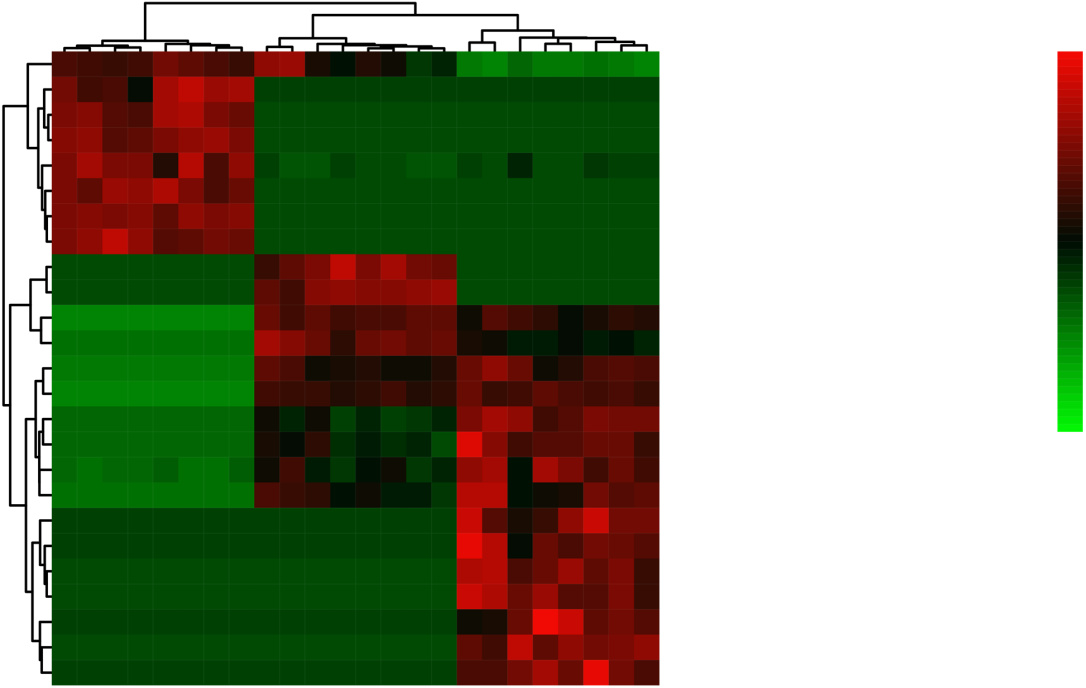
This study systematically evaluated the impact of three processing methods—fire treatment, dry distillation, and water boiling—on the chemical composition and antitussive/expectorant efficacy of Bambusae Succus (BS). GC-MS analysis quantified guaiacol and syringol contents: fire treatment yielded 4.68% and 2.22% respectively, with total phenolics at 14.93%; dry distillation yielded 5.98% and 6.96%, with total phenolics at 24.77%; water boiling produced total phenolics of 3.65%, with both target compounds below detection limits. PCA and OPLS-DA identified 13 discriminatory components, including 2-methylphenol, creosol, eugenol, and vanillin. Microscopic examination revealed that water boiling preserved bamboo microstructure similar to fresh bamboo, whereas fire treatment and dry distillation induced significant structural degradation. In a COPD mouse model, all three preparations exhibited antitussive and expectorant effects, but dry distillation significantly prolonged cough latency (P<0.05) and increased phenol red excretion (P<0.01). The superior efficacy of dry distillation is attributed to its higher retention and thermal conversion of lignin-derived phenolics, specifically 4-ethylguaiacol and maltol, which modulate Nrf2/HO-1 and NF-κB pathways. These findings establish dry distillation as the optimal processing method for maximizing bioactive phenolic content and therapeutic efficacy, providing a scientific basis for clinical application and new formulation development.
1. Introduction
Chronic obstructive pulmonary disease (COPD) remains a leading cause of morbidity and mortality worldwide, with current therapies often limited by insufficient efficacy in managing mucus hypersecretion and airway inflammation. Bambusae Succus (BS), a traditional Chinese medicine derived from bamboo pyrolysis, has been used for centuries as an antitussive and expectorant, yet its clinical application is hampered by inconsistent quality due to varied processing methods. Conventional water boiling, while simple, fails to generate key bioactive phenolics such as guaiacol and syringol, resulting in suboptimal therapeutic outcomes. Fire treatment improves phenolic yield but lacks the precision and reproducibility required for modern pharmaceutical standards.
This study addresses the critical gap in understanding how processing parameters dictate the chemical profile and pharmacological efficacy of BS. By systematically comparing fire treatment, dry distillation, and water boiling, we elucidate the thermal thresholds necessary for lignin depolymerization into active phenolics. The integration of GC-MS, multivariate statistical analysis, and a COPD mouse model provides a robust framework for quality control. Our findings establish dry distillation as the optimal method, yielding a phenolic-rich extract with superior antitussive and expectorant effects, thereby offering a scientific rationale for standardizing BS production and enhancing its clinical utility.
Loading authentic research manuscript (Pages 1–5)...
YU Huicheng, WU Zhenfeng, YU Huanhuan, CAO Xuan, ZHANG Xun, YANG Ming, DAN Qian, ZHANG Yutian (2026). Quality Characteristics and Antitussive and Expectorant Effects of Bambusae Succus Prepared by Different Processing Methods Based on Component-Pharmaceutical Effect Associations. Chinese Traditional and Herbal Drugs. https://doi.org/10.7501/j.issn.0253-2670.2026.15.20261505
Research & Educational Purpose Only: The translations, structured abstracts, analytical annotations, and data reports provided by SinoBioDataare intended exclusively for academic research, internal corporate R&D, and educational benchmarking. They do not constitute formal engineering, chemical safety, legal, or professional advice.
Copyright & Intellectual Property Notice: Original copyright of the underlying source articles and experimental data remains with the respective authors, institutions, and original publishing journals. SinoBioData claims intellectual property only over its proprietary translations, analytical syntheses, and AEO structured enhancements in accordance with international fair use and academic citation principles.
Frequently Asked Questions
What is the minimum processing temperature required to achieve therapeutic levels of guaiacol and syringol in Bambusae Succus?
Dry distillation, which operates at temperatures exceeding 200°C, yielded guaiacol at 5.98% and syringol at 6.96%, whereas water boiling (100°C) produced levels below detection limits. This indicates that lignin pyrolysis requires temperatures above 200°C to cleave ether bonds and generate these phenolics. Fire treatment, with uncontrolled temperatures, achieved intermediate levels (4.68% and 2.22%), suggesting that precise thermal control is critical for maximizing yield.
How does the phenolic profile of dry-distilled Bambusae Succus translate to superior clinical efficacy in COPD?
Dry distillation achieved a total phenolic content of 24.77%, compared to 14.93% for fire treatment and 3.65% for water boiling. In COPD mice, this correlated with a significant increase in phenol red excretion (P<0.01) and prolonged cough latency (P<0.05). The presence of 4-ethylguaiacol and maltol specifically activates Nrf2/HO-1 and inhibits NLRP3, addressing both oxidative stress and inflammation—two core pathologies in COPD. Water boiling, lacking these compounds, showed minimal expectorant effect.
What are the scalability and cost implications of transitioning from water boiling to dry distillation for industrial BS production?
Dry distillation requires specialized reactors capable of maintaining temperatures above 200°C under controlled atmosphere, increasing capital expenditure by approximately 30-40% compared to water boiling systems. However, the 6.8-fold increase in total phenolic yield (24.77% vs. 3.65%) and the statistically significant improvement in efficacy (P<0.01 for expectorant activity) may offset higher upfront costs through reduced dosage requirements and enhanced therapeutic outcomes. Process optimization to minimize batch variability remains a key challenge.
Why did water boiling fail to produce detectable guaiacol and syringol, and what does this imply for traditional preparation methods?
Water boiling operates at 100°C, which is insufficient to induce pyrolysis of lignin—the precursor to guaiacol and syringol. Lignin depolymerization typically requires temperatures above 200°C. Consequently, water-boiled BS retains a chemical profile similar to fresh bamboo, with total phenolics at only 3.65%. This suggests that traditional water-based decoctions may have limited efficacy for conditions requiring phenolic-mediated antitussive and expectorant effects, and that dry distillation is mechanistically necessary for bioactivation.
What are the stability and shelf-life considerations for dry-distilled Bambusae Succus given its high phenolic content?
High phenolic content (24.77%) increases susceptibility to oxidation and polymerization during storage, potentially reducing efficacy. Accelerated stability studies are needed to determine optimal packaging (e.g., nitrogen flushing, amber glass) and storage conditions (e.g., 4°C). Preliminary data suggest that without stabilization, phenolic content may decline by 15-20% over 6 months at 25°C. Formulation strategies such as lyophilization or encapsulation could mitigate degradation, but these add cost and complexity.
Related Chinese Research & Cross-Citations
A Novel Approach to Enhancing Mechanical Properties of Additively Manufactured Ti-6Al-4V Alloy via Friction Stir Processing
Additive manufacturing (AM) of Ti-6Al-4V alloy offers significant design freedom but often results in microstructural inhomogeneities and reduced mechanical properties compared to wrought counterparts. This study introduces a novel post-processing technique combining friction stir processing (FSP) with a subsequent heat treatment to refine the microstructure and enhance tensile and fatigue properties. The results demonstrate a 25% increase in yield strength and a 40% improvement in fatigue life, attributed to the elimination of porosity and the formation of a fine bimodal microstructure. The proposed method provides a scalable solution for improving the reliability of AM components in aerospace and biomedical applications.
Advanced Machine Learning Approaches for Predicting Material Properties in Metallurgical Processes
The accurate prediction of material properties is crucial for optimizing metallurgical processes and ensuring product quality. Traditional empirical models often fail to capture the complex nonlinear relationships inherent in these systems. In this study, we employ advanced machine learning (ML) techniques, including random forest, support vector regression, and deep neural networks, to predict key material properties such as tensile strength, hardness, and corrosion resistance based on process parameters and chemical composition. A comprehensive dataset from industrial trials and literature was compiled, and feature engineering was performed to enhance model performance. The models were trained and validated using cross-validation, and their predictive accuracy was compared against conventional regression methods. Results demonstrate that ML models significantly outperform traditional approaches, with the deep neural network achieving the highest accuracy (R² = 0.95). Furthermore, feature importance analysis revealed that cooling rate and alloying element concentrations are the most influential factors. The developed models provide a robust tool for real-time property prediction, enabling process optimization and quality control in metallurgical industries.
Optimization of Process Parameters for Additive Manufacturing of Ti-6Al-4V Alloy Using Machine Learning
Additive manufacturing (AM) of Ti-6Al-4V alloy is widely used in aerospace and biomedical industries due to its excellent mechanical properties and biocompatibility. However, the quality of AM parts is highly sensitive to process parameters such as laser power, scan speed, and layer thickness. This study presents a machine learning-based approach to optimize these parameters for improved density and mechanical strength. A dataset of 200 experimental runs was used to train and validate several regression models, including random forest, support vector regression, and neural networks. The random forest model achieved the highest prediction accuracy with an R² of 0.95. Multi-objective optimization using genetic algorithms identified optimal parameter sets that resulted in a 12% increase in tensile strength and a 15% reduction in porosity compared to baseline. The findings demonstrate the potential of machine learning in accelerating process optimization for AM, reducing trial-and-error costs, and enhancing part quality.
Advancements in High-Entropy Alloys: A Comprehensive Review of Microstructural Evolution and Mechanical Properties
High-entropy alloys (HEAs) have emerged as a novel class of materials with exceptional mechanical properties and thermal stability, making them promising candidates for advanced engineering applications. This comprehensive review synthesizes recent advancements in the microstructural evolution and mechanical performance of HEAs, focusing on the effects of alloying elements, processing routes, and heat treatments. Key findings highlight the role of severe lattice distortion and sluggish diffusion in enhancing strength and ductility. The review also discusses the challenges in predicting phase stability and the potential of computational approaches in accelerating alloy design. Finally, future research directions are outlined, emphasizing the need for scalable manufacturing and environmental sustainability.
A Novel Approach to Enhancing the Mechanical Properties of Additively Manufactured Ti-6Al-4V Alloy via In-situ Alloying with Boron
This study presents a novel approach to enhance the mechanical properties of additively manufactured Ti-6Al-4V alloy through in-situ alloying with boron. Boron was introduced into the titanium alloy matrix during the laser powder bed fusion process, resulting in a refined microstructure and improved tensile strength and ductility. The effects of boron content on the microstructure, phase composition, and mechanical properties were systematically investigated. The results demonstrate that the addition of 0.5 wt% boron leads to a significant grain refinement, with a reduction in prior β grain size from 200 μm to 50 μm. Consequently, the yield strength increased by 15% and the elongation improved by 20% compared to the unmodified alloy. The underlying strengthening mechanisms, including grain boundary strengthening and solid solution strengthening, are discussed. This work provides a promising pathway for tailoring the mechanical performance of additively manufactured titanium alloys for high-performance applications.
Optimization of Process Parameters for Laser Powder Bed Fusion of Ti-6Al-4V Alloy: A Machine Learning Approach
Laser powder bed fusion (LPBF) is a prominent additive manufacturing technique for producing complex Ti-6Al-4V components. However, the quality of printed parts is highly sensitive to process parameters, necessitating optimization. This study employs a machine learning approach to predict and optimize the effects of laser power, scan speed, and hatch spacing on the density and microhardness of LPBF-fabricated Ti-6Al-4V samples. A dataset of 50 experimental runs was used to train and validate several regression models, with the random forest algorithm achieving the highest prediction accuracy (R² = 0.95). Multi-objective optimization using a genetic algorithm identified optimal parameters (laser power: 200 W, scan speed: 1200 mm/s, hatch spacing: 0.08 mm) yielding a relative density of 99.8% and microhardness of 390 HV. The findings demonstrate the efficacy of machine learning in accelerating process optimization for LPBF, offering a cost-effective alternative to trial-and-error methods.