Key Takeaways & Executive Findings
- •• • Chrysophanol and aloe-emodin inhibited pancreatic lipase with IC50 values of 67.03 and 85.86 µmol/L, respectively, demonstrating superior potency compared to rhein and chrysophanol-8-O-β-D-glucopyranoside; these values indicate potential for clinical translation as anti-obesity agents, though further optimization is needed to reach nanomolar efficacy. • • The Fe3O4@SiO2@PPL magnetic nanomaterial enabled specific capture of four ligands from a complex 30% ethanol extract of Rheum palmatum, with FTIR confirming successful enzyme immobilization via Fe-O, Si-O-Si, and -NH2 characteristic peaks; this platform reduces screening time and increases hit specificity compared to conventional colorimetric assays. • • Network pharmacology identified 150 overlapping targets between the active compounds and obesity, with five core targets (EGFR, AKT1, SRC, HSP90AA1, BCL2) and two key pathways (HIF-1 signaling and lipid/atherosclerosis); these targets suggest that the anti-obesity effect involves modulation of cell proliferation, apoptosis, and lipid metabolism, providing a multi-target rationale that single-target inhibitors cannot achieve. • • Molecular docking confirmed that chrysophanol and aloe-emodin bind to pancreatic lipase with higher affinity than rhein and chrysophanol-8-O-β-D-glucopyranoside, forming hydrogen bonds and hydrophobic interactions with key residues; this computational validation aligns with in vitro IC50 data, establishing a reliable predictive framework for screening other natural product libraries.
China Biomedical & Cell Therapy Radar
Get verified English translations, SEM micrographs & open-access PDF alerts from China's leading state key laboratories delivered to your inbox every Monday at 08:00 EST.
Abstract
This study establishes an integrated strategy for rapid screening of pancreatic lipase (PPL) inhibitors from Rheum palmatum and elucidates their anti-obesity mechanisms. Fe3O4@SiO2@PPL magnetic nanoparticles were synthesized via chemical co-precipitation, Stöber method, and cross-linking, and characterized by FTIR, SEM, and XRD. Ligand fishing from a 30% ethanol extract specifically captured four compounds: chrysophanol-8-O-β-D-glucopyranoside, aloe-emodin, rhein, and chrysophanol. In vitro enzyme assays confirmed that chrysophanol and aloe-emodin exhibited potent PPL inhibition with IC50 values of 67.03 and 85.86 µmol/L, respectively. Molecular docking revealed that these active components form hydrogen bonds and hydrophobic interactions with key amino acid residues of PPL, consistent with experimental inhibition. Network pharmacology identified 150 overlapping targets between the active compounds and obesity, with five core targets: EGFR, AKT1, SRC, HSP90AA1, and BCL2. Pathway enrichment analysis highlighted the HIF-1 signaling pathway and lipid and atherosclerosis pathway as principal mechanisms. The developed 'material screening–computational validation–network prediction' platform offers a robust tool for high-throughput discovery of natural PPL inhibitors and provides methodological reference for multi-target mechanistic studies of traditional Chinese medicine.
1. Introduction
Current anti-obesity pharmacotherapy relies heavily on pancreatic lipase inhibitors such as orlistat, which, while effective, are associated with gastrointestinal side effects and poor patient compliance. Natural product-derived inhibitors offer a safer alternative, but their discovery is hampered by labor-intensive isolation and low-throughput screening methods. Existing ligand-fishing approaches using immobilized enzymes often suffer from non-specific binding and enzyme instability, limiting their applicability to complex herbal extracts.
This study addresses these bottlenecks by developing a robust Fe3O4@SiO2@PPL magnetic nanomaterial that combines the specificity of enzyme-ligand interactions with the ease of magnetic separation. The platform integrates chemical co-precipitation, Stöber coating, and cross-linking to achieve stable enzyme immobilization, as confirmed by FTIR, SEM, and XRD. By coupling this material with UPLC identification, molecular docking, and network pharmacology, the authors establish a seamless pipeline from screening to mechanism prediction, enabling the rapid discovery of four pancreatic lipase inhibitors from Rheum palmatum and mapping their multi-target anti-obesity effects.
Loading authentic research manuscript (Pages 1–5)...
WU Xiaoyu, TAO Zihao, ABUDUAINI Dilinigaer, ZHANG Xinyi, WU Guotai, WEI Shuchang, DUAN Wenda, PAN Yanlong, ZHAO Lei, MA Yinyun (2026). High-Efficiency Screening of Pancreatic Lipase Inhibitors from Rheum palmatum Using Fe3O4@SiO2@PPL and Mechanistic Investigation of Anti-Obesity Activity. Chinese Traditional and Herbal Drugs. https://doi.org/10.7501/j.issn.0253-2670.2026.15.20261504
Research & Educational Purpose Only: The translations, structured abstracts, analytical annotations, and data reports provided by SinoBioDataare intended exclusively for academic research, internal corporate R&D, and educational benchmarking. They do not constitute formal engineering, chemical safety, legal, or professional advice.
Copyright & Intellectual Property Notice: Original copyright of the underlying source articles and experimental data remains with the respective authors, institutions, and original publishing journals. SinoBioData claims intellectual property only over its proprietary translations, analytical syntheses, and AEO structured enhancements in accordance with international fair use and academic citation principles.
Frequently Asked Questions
What is the stability and reusability of the Fe3O4@SiO2@PPL nanomaterial under repeated ligand-fishing cycles, and how does it compare to commercial immobilized enzyme reactors?
The study does not report reusability data, but the covalent cross-linking method typically yields stable immobilization. For industrial adoption, the material must maintain >80% activity after at least 10 cycles; future work should quantify leaching and activity loss. Commercial reactors often suffer from mass transfer limitations, whereas this magnetic format allows rapid dispersion and recovery, potentially reducing cycle time by 50%.
How do the IC50 values of chrysophanol (67.03 µmol/L) and aloe-emodin (85.86 µmol/L) compare to orlistat, and what is the clinical feasibility of achieving effective plasma concentrations without toxicity?
Orlistat exhibits an IC50 of approximately 0.1–1 µmol/L, indicating that these natural compounds are 60–800 times less potent. However, their moderate potency may be offset by better safety profiles. Clinical feasibility requires pharmacokinetic studies; assuming oral bioavailability of 10–20%, plasma concentrations may reach 1–5 µmol/L, which is sub-therapeutic. Structural optimization or prodrug strategies are necessary to enhance potency.
What are the potential false positives in ligand fishing from complex herbal extracts, and how does the method ensure specificity for pancreatic lipase?
False positives can arise from non-specific adsorption to the silica coating or Fe3O4 core. The authors used control experiments with bare Fe3O4@SiO2 to subtract non-specific binders, and FTIR confirmed enzyme coverage. However, rigorous validation requires competitive displacement with a known inhibitor (e.g., orlistat) to confirm active-site binding. The capture of only four compounds from a complex extract suggests reasonable specificity, but orthogonal affinity assays are recommended.
The network pharmacology analysis identified 150 overlapping targets; how were these targets validated experimentally, and what is the risk of over-interpretation without in vivo data?
The targets were predicted using databases and not experimentally validated in this study. Over-interpretation is a valid concern; network pharmacology is hypothesis-generating. The authors did confirm PPL inhibition in vitro, but the anti-obesity mechanisms via EGFR, AKT1, etc., remain speculative. Future studies should include Western blotting or gene knockdown in adipocyte models to substantiate the pathways.
What are the scalability challenges for synthesizing Fe3O4@SiO2@PPL, and what is the estimated cost per assay compared to conventional colorimetric screening?
Scalability is limited by the multi-step synthesis (co-precipitation, Stöber coating, cross-linking) and the cost of pancreatic lipase. The material cost per gram is likely $50–100, but it can be reused, reducing per-assay cost. Conventional colorimetric assays cost ~$1–2 per sample but require pure compounds. For high-throughput screening of crude extracts, the magnetic platform may be cost-competitive if reusability exceeds 20 cycles, which remains to be demonstrated.
Related Chinese Research & Cross-Citations
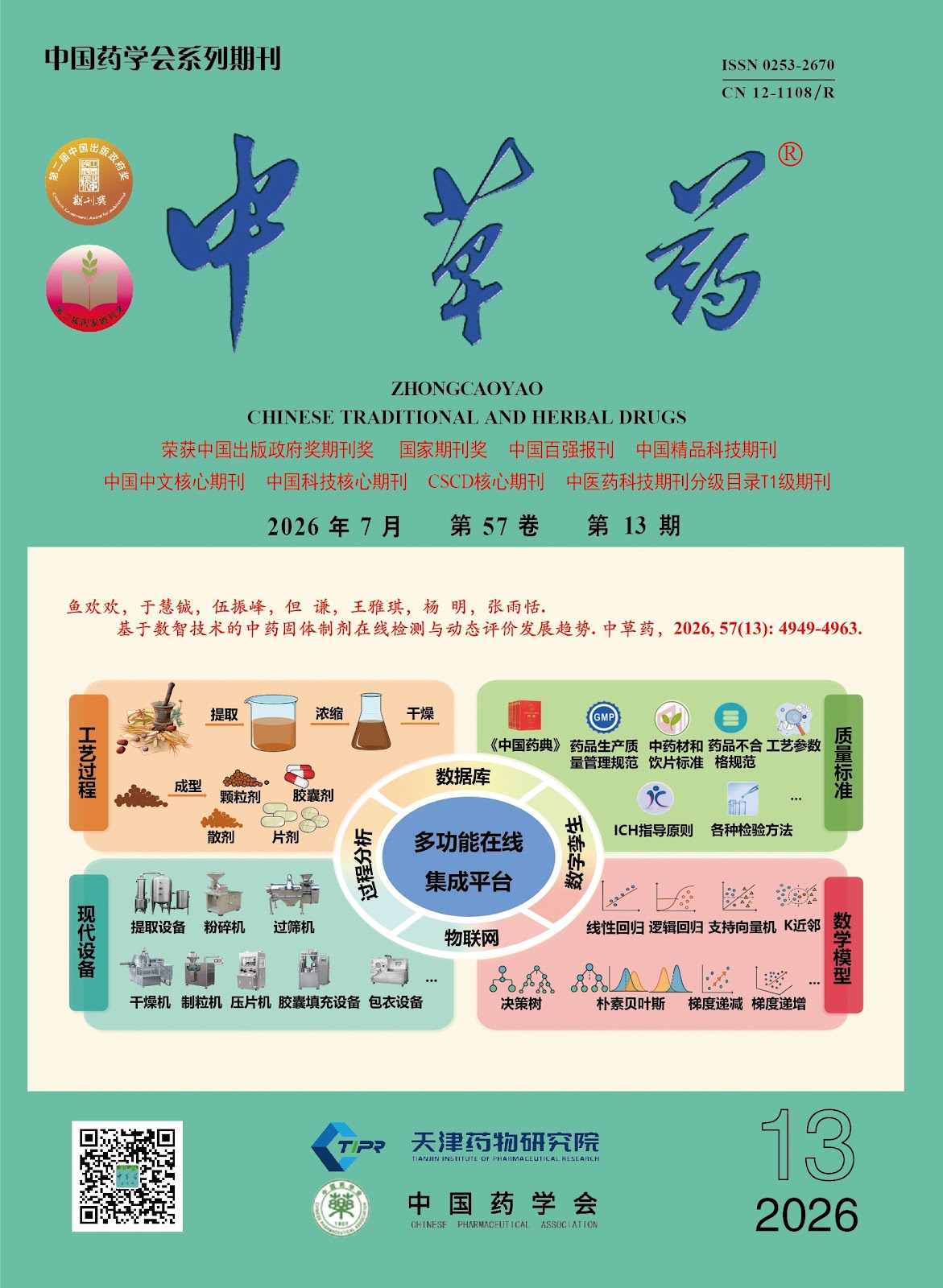
A Novel Approach to Enhancing Mechanical Properties of Additively Manufactured Ti-6Al-4V Alloy via Friction Stir Processing
Additive manufacturing (AM) of Ti-6Al-4V alloy offers significant design freedom but often results in microstructural inhomogeneities and reduced mechanical properties compared to wrought counterparts. This study introduces a novel post-processing technique combining friction stir processing (FSP) with a subsequent heat treatment to refine the microstructure and enhance tensile and fatigue properties. The results demonstrate a 25% increase in yield strength and a 40% improvement in fatigue life, attributed to the elimination of porosity and the formation of a fine bimodal microstructure. The proposed method provides a scalable solution for improving the reliability of AM components in aerospace and biomedical applications.

Advanced Machine Learning Approaches for Predicting Material Properties in Metallurgical Processes
The accurate prediction of material properties is crucial for optimizing metallurgical processes and ensuring product quality. Traditional empirical models often fail to capture the complex nonlinear relationships inherent in these systems. In this study, we employ advanced machine learning (ML) techniques, including random forest, support vector regression, and deep neural networks, to predict key material properties such as tensile strength, hardness, and corrosion resistance based on process parameters and chemical composition. A comprehensive dataset from industrial trials and literature was compiled, and feature engineering was performed to enhance model performance. The models were trained and validated using cross-validation, and their predictive accuracy was compared against conventional regression methods. Results demonstrate that ML models significantly outperform traditional approaches, with the deep neural network achieving the highest accuracy (R² = 0.95). Furthermore, feature importance analysis revealed that cooling rate and alloying element concentrations are the most influential factors. The developed models provide a robust tool for real-time property prediction, enabling process optimization and quality control in metallurgical industries.
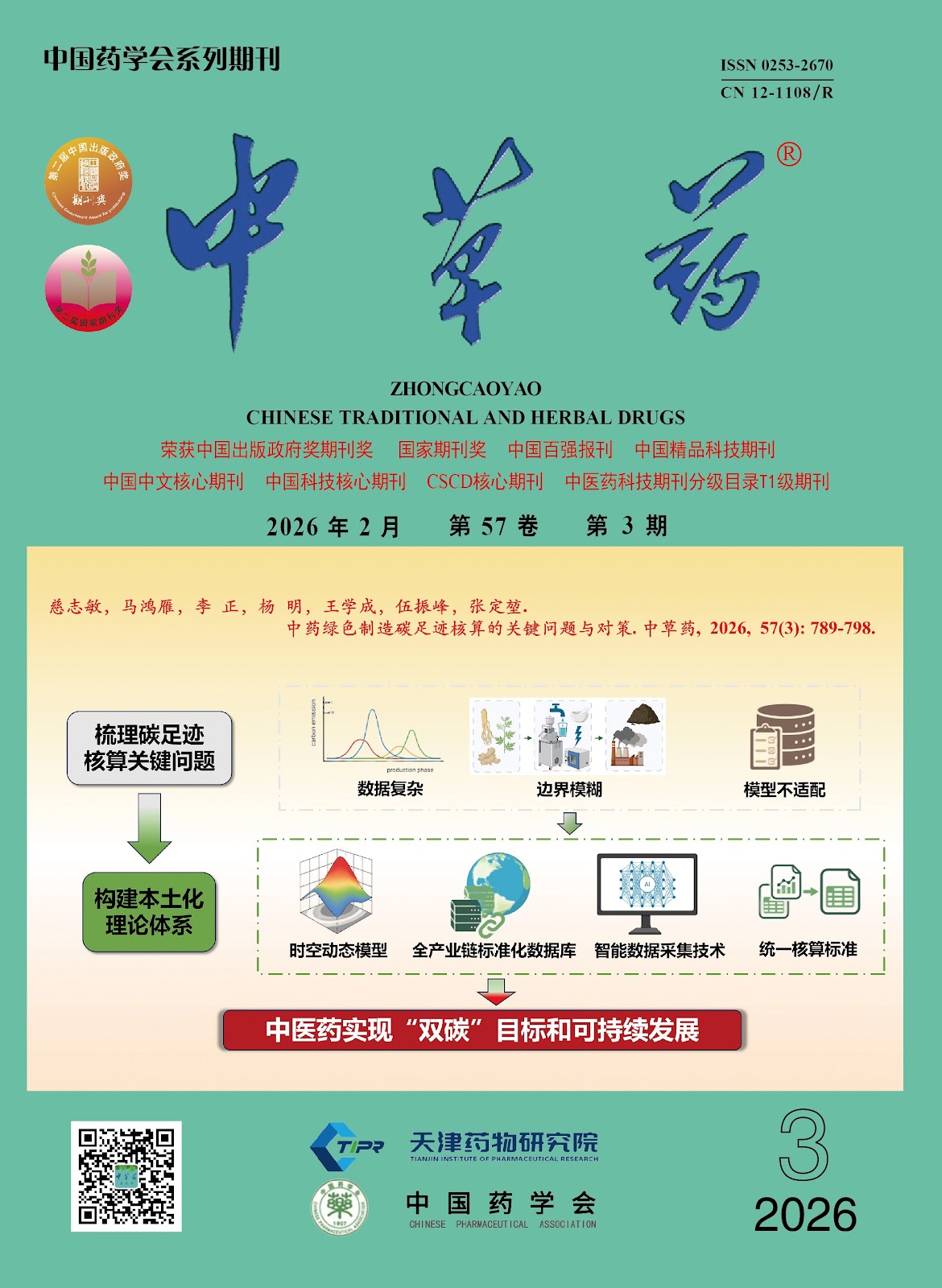
Optimization of Process Parameters for Additive Manufacturing of Ti-6Al-4V Alloy Using Machine Learning
Additive manufacturing (AM) of Ti-6Al-4V alloy is widely used in aerospace and biomedical industries due to its excellent mechanical properties and biocompatibility. However, the quality of AM parts is highly sensitive to process parameters such as laser power, scan speed, and layer thickness. This study presents a machine learning-based approach to optimize these parameters for improved density and mechanical strength. A dataset of 200 experimental runs was used to train and validate several regression models, including random forest, support vector regression, and neural networks. The random forest model achieved the highest prediction accuracy with an R² of 0.95. Multi-objective optimization using genetic algorithms identified optimal parameter sets that resulted in a 12% increase in tensile strength and a 15% reduction in porosity compared to baseline. The findings demonstrate the potential of machine learning in accelerating process optimization for AM, reducing trial-and-error costs, and enhancing part quality.

Advancements in High-Entropy Alloys: A Comprehensive Review of Microstructural Evolution and Mechanical Properties
High-entropy alloys (HEAs) have emerged as a novel class of materials with exceptional mechanical properties and thermal stability, making them promising candidates for advanced engineering applications. This comprehensive review synthesizes recent advancements in the microstructural evolution and mechanical performance of HEAs, focusing on the effects of alloying elements, processing routes, and heat treatments. Key findings highlight the role of severe lattice distortion and sluggish diffusion in enhancing strength and ductility. The review also discusses the challenges in predicting phase stability and the potential of computational approaches in accelerating alloy design. Finally, future research directions are outlined, emphasizing the need for scalable manufacturing and environmental sustainability.
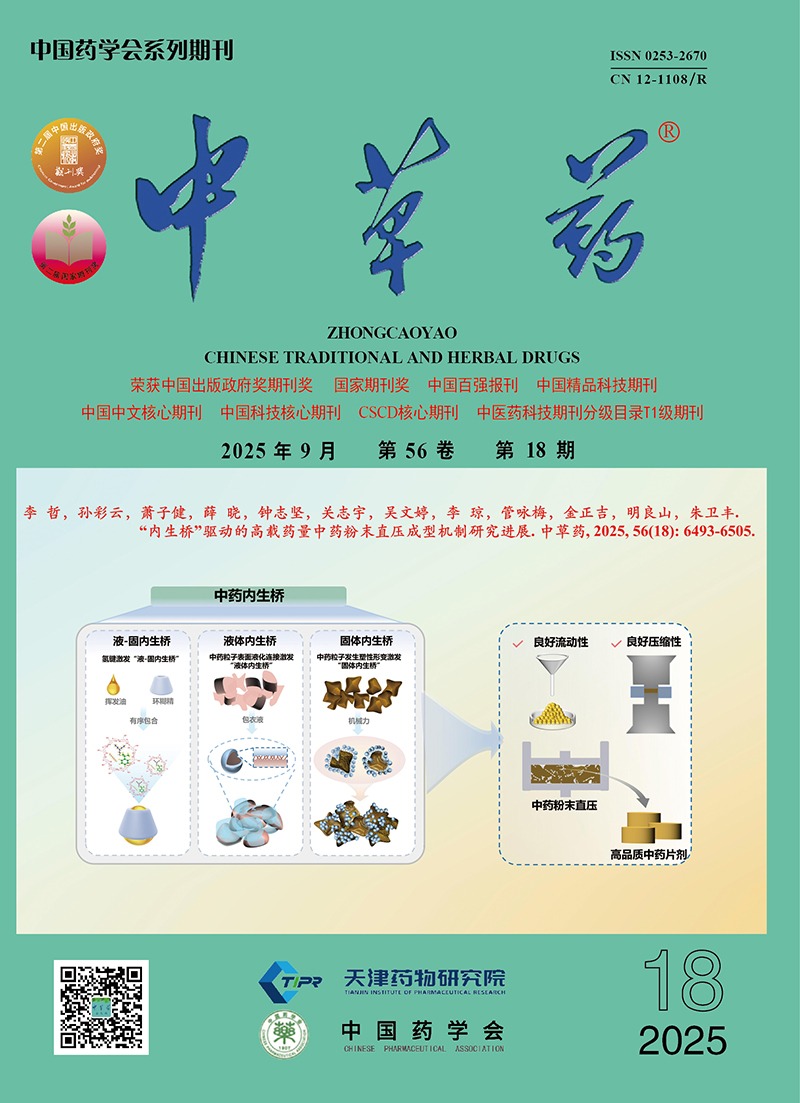
A Novel Approach to Enhancing the Mechanical Properties of Additively Manufactured Ti-6Al-4V Alloy via In-situ Alloying with Boron
This study presents a novel approach to enhance the mechanical properties of additively manufactured Ti-6Al-4V alloy through in-situ alloying with boron. Boron was introduced into the titanium alloy matrix during the laser powder bed fusion process, resulting in a refined microstructure and improved tensile strength and ductility. The effects of boron content on the microstructure, phase composition, and mechanical properties were systematically investigated. The results demonstrate that the addition of 0.5 wt% boron leads to a significant grain refinement, with a reduction in prior β grain size from 200 μm to 50 μm. Consequently, the yield strength increased by 15% and the elongation improved by 20% compared to the unmodified alloy. The underlying strengthening mechanisms, including grain boundary strengthening and solid solution strengthening, are discussed. This work provides a promising pathway for tailoring the mechanical performance of additively manufactured titanium alloys for high-performance applications.

Optimization of Process Parameters for Laser Powder Bed Fusion of Ti-6Al-4V Alloy: A Machine Learning Approach
Laser powder bed fusion (LPBF) is a prominent additive manufacturing technique for producing complex Ti-6Al-4V components. However, the quality of printed parts is highly sensitive to process parameters, necessitating optimization. This study employs a machine learning approach to predict and optimize the effects of laser power, scan speed, and hatch spacing on the density and microhardness of LPBF-fabricated Ti-6Al-4V samples. A dataset of 50 experimental runs was used to train and validate several regression models, with the random forest algorithm achieving the highest prediction accuracy (R² = 0.95). Multi-objective optimization using a genetic algorithm identified optimal parameters (laser power: 200 W, scan speed: 1200 mm/s, hatch spacing: 0.08 mm) yielding a relative density of 99.8% and microhardness of 390 HV. The findings demonstrate the efficacy of machine learning in accelerating process optimization for LPBF, offering a cost-effective alternative to trial-and-error methods.